Ramstein Air Base – A base visit in 1979
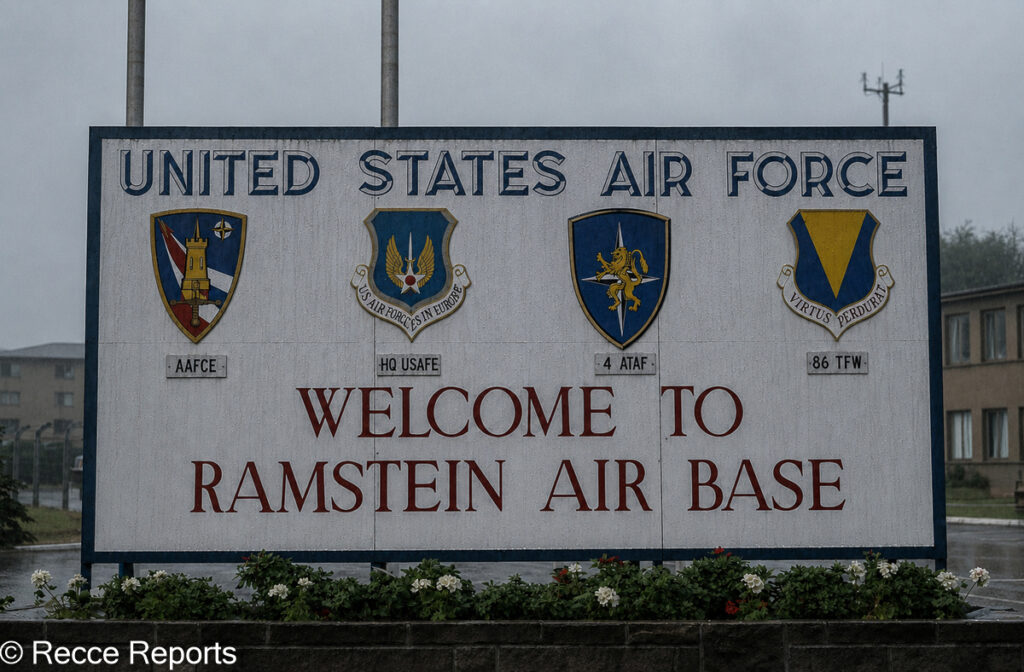
In 1979, visiting military airbases was a very different experience from today. Security restrictions were far less stringent, and obtaining permission for a base visit could be surprisingly straightforward. A simple letter to the Public Affairs Office at Ramstein Air Base was enough to receive an invitation, giving us a unique opportunity to visit one of the United States Air Force’s most important installations in Europe. As teenage boys, we made our visit on a rainy Thursday morning, 12 July 1979.
Ramstein Air Base
Located in Rheinland-Pfalz, West Germany, Ramstein Air Base had been established in the early 1950s and had developed into one of the most important U.S. Air Force bases in Europe. In 1979, it served as the headquarters of Seventeenth Air Force and was a vital hub for NATO operations during the Cold War.
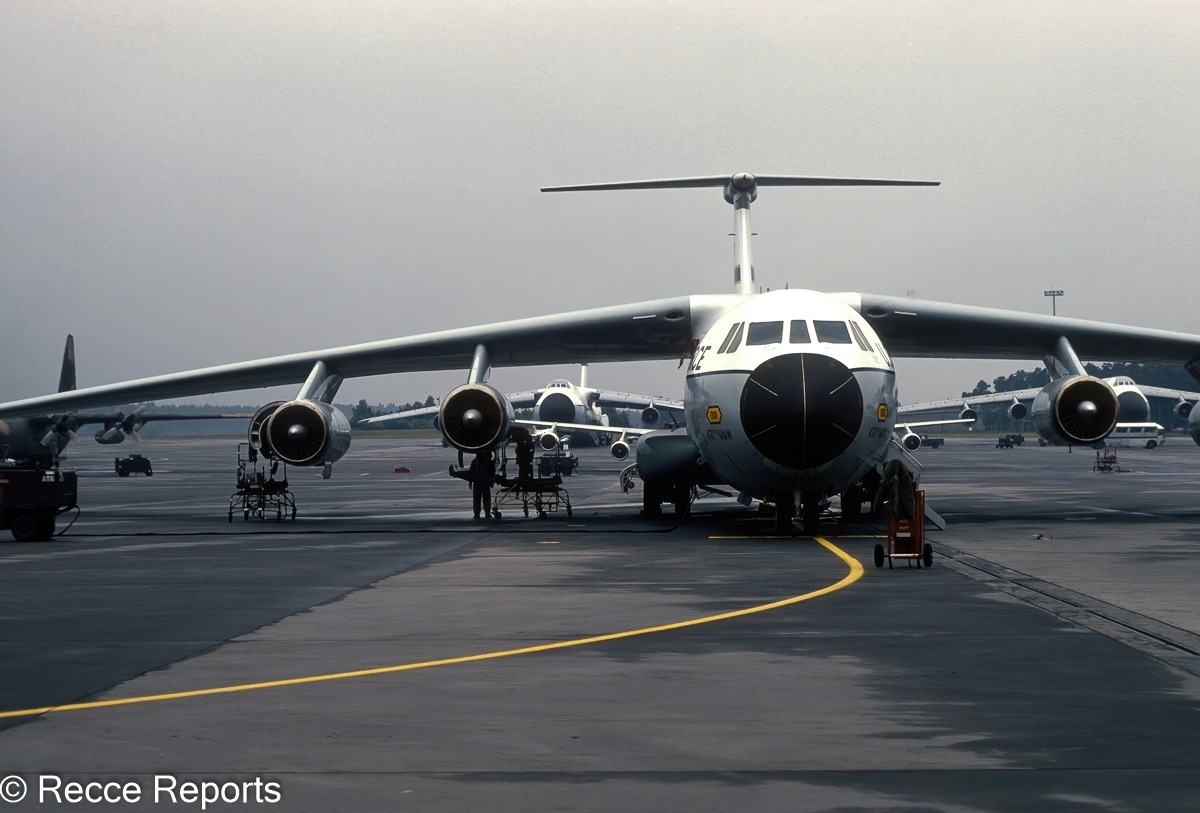
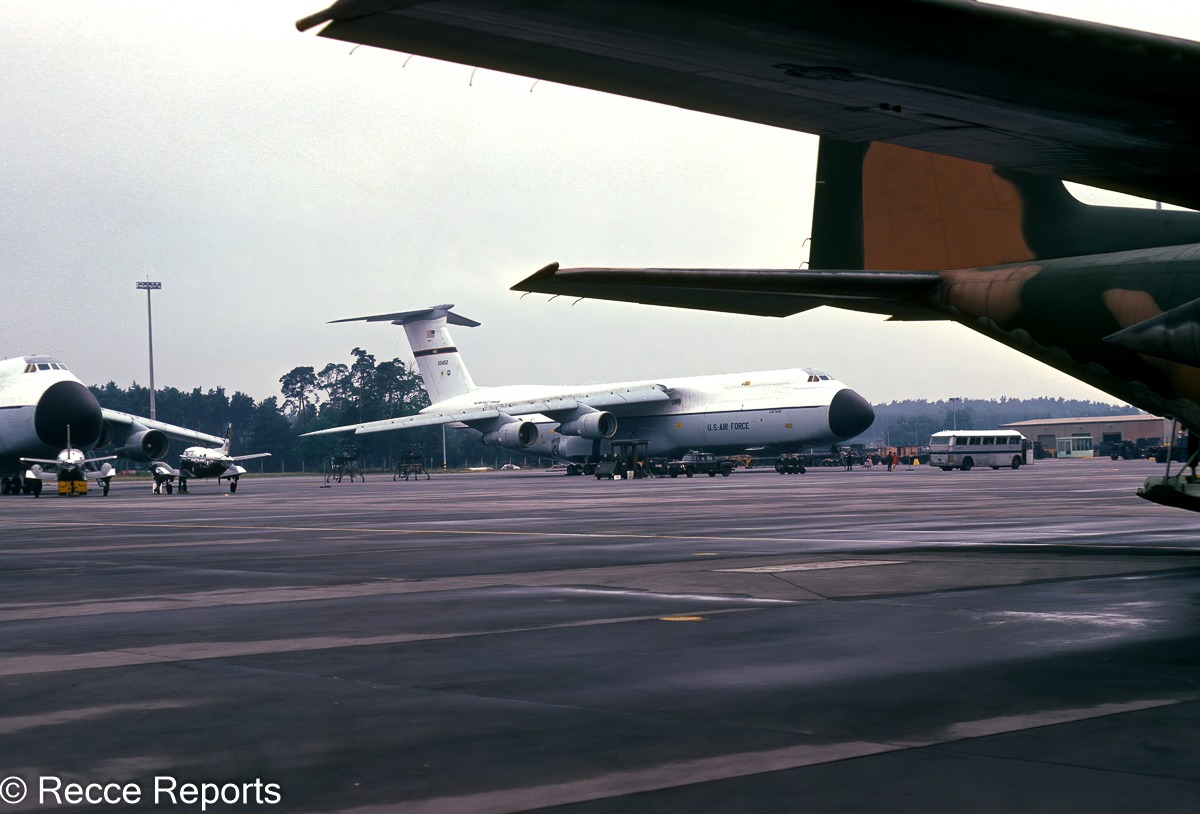
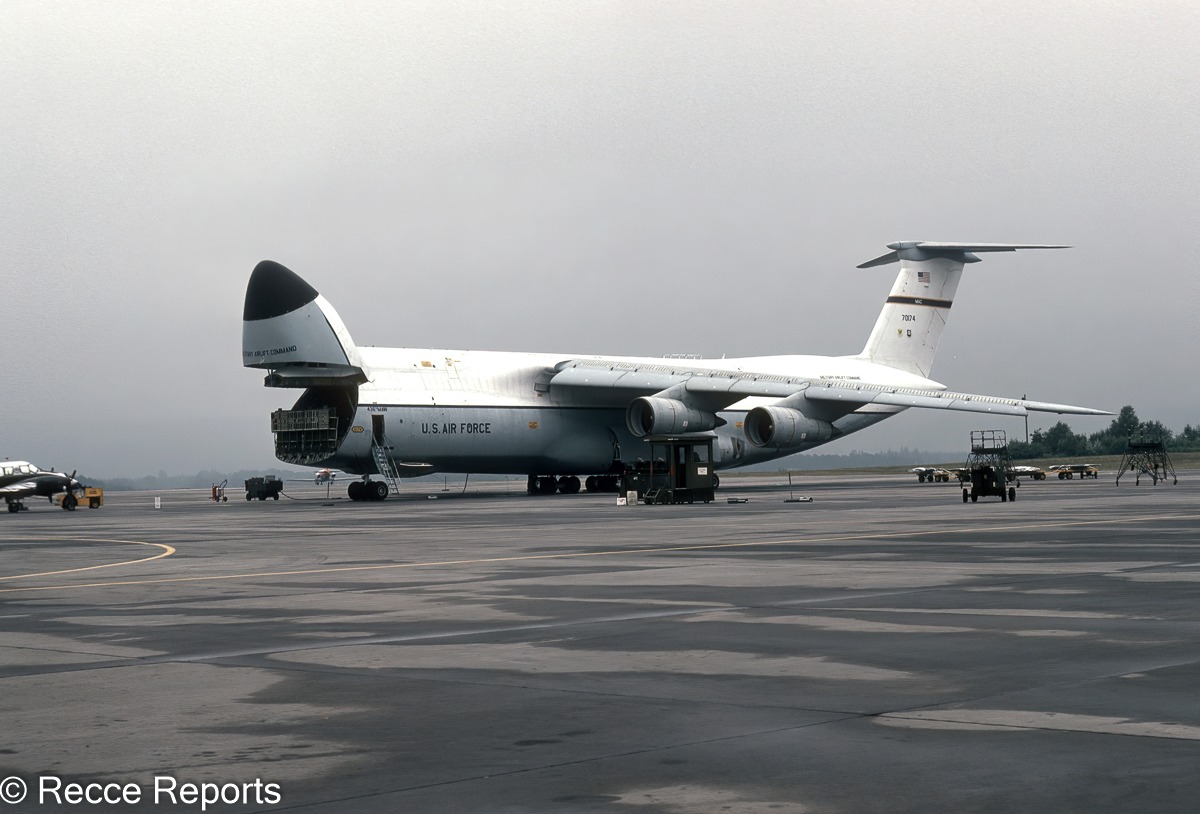
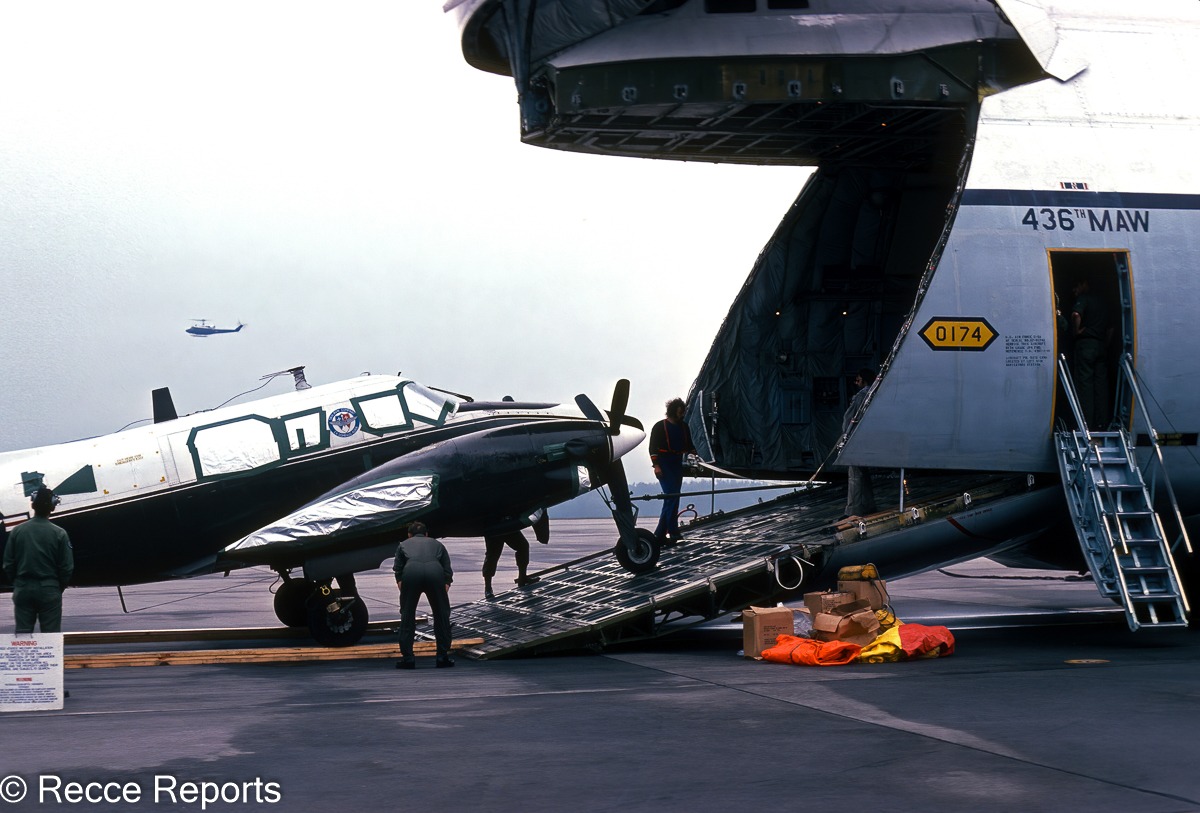
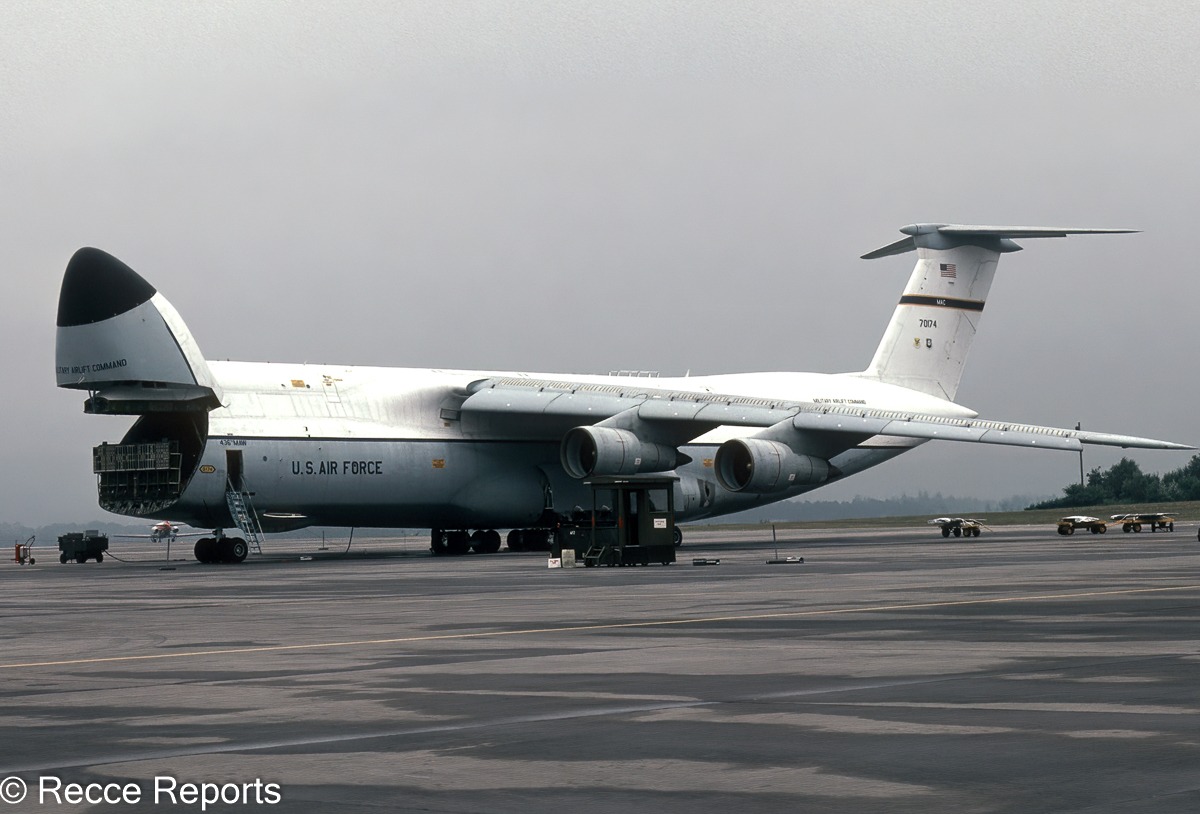
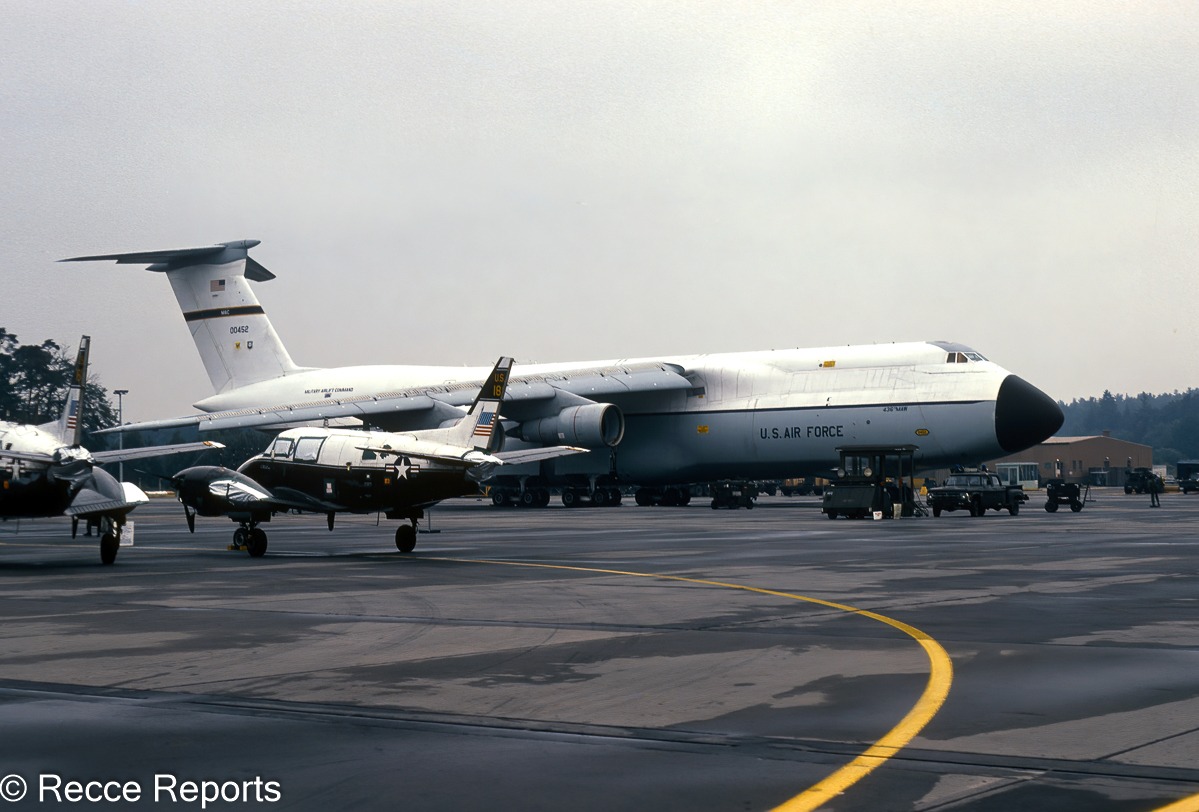
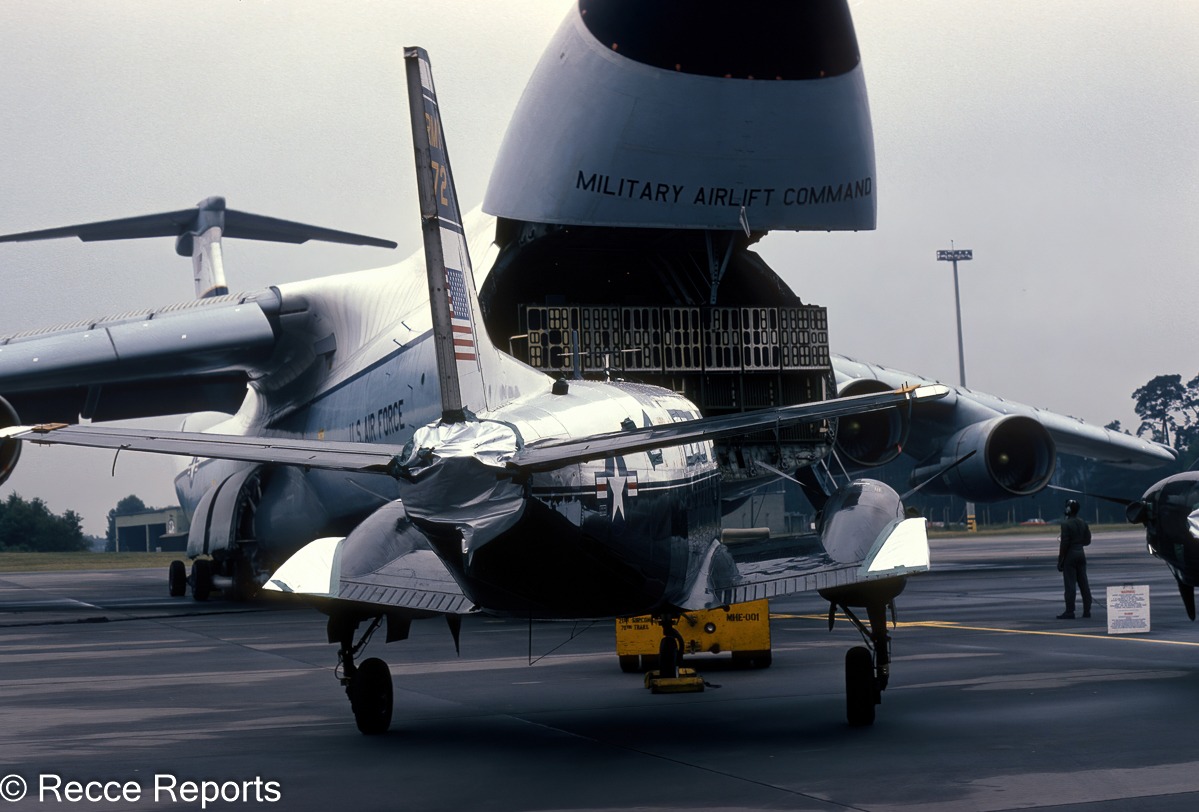
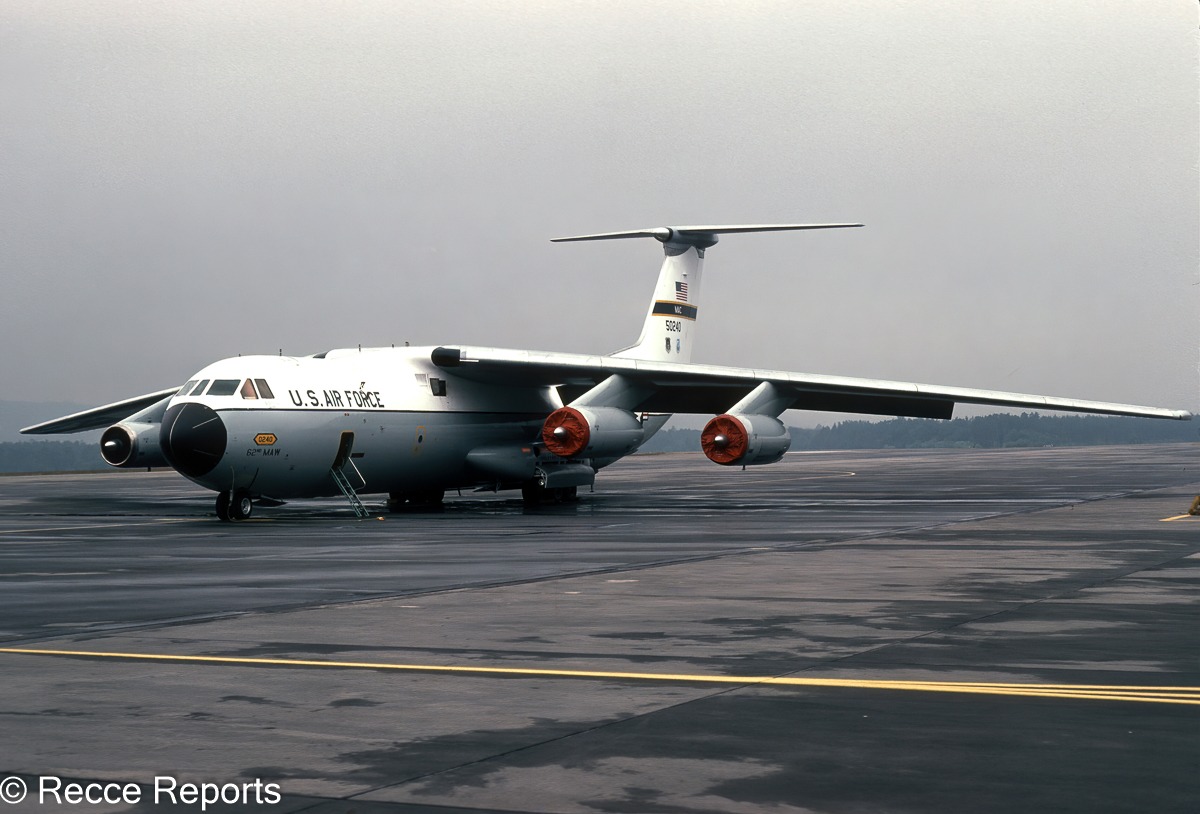
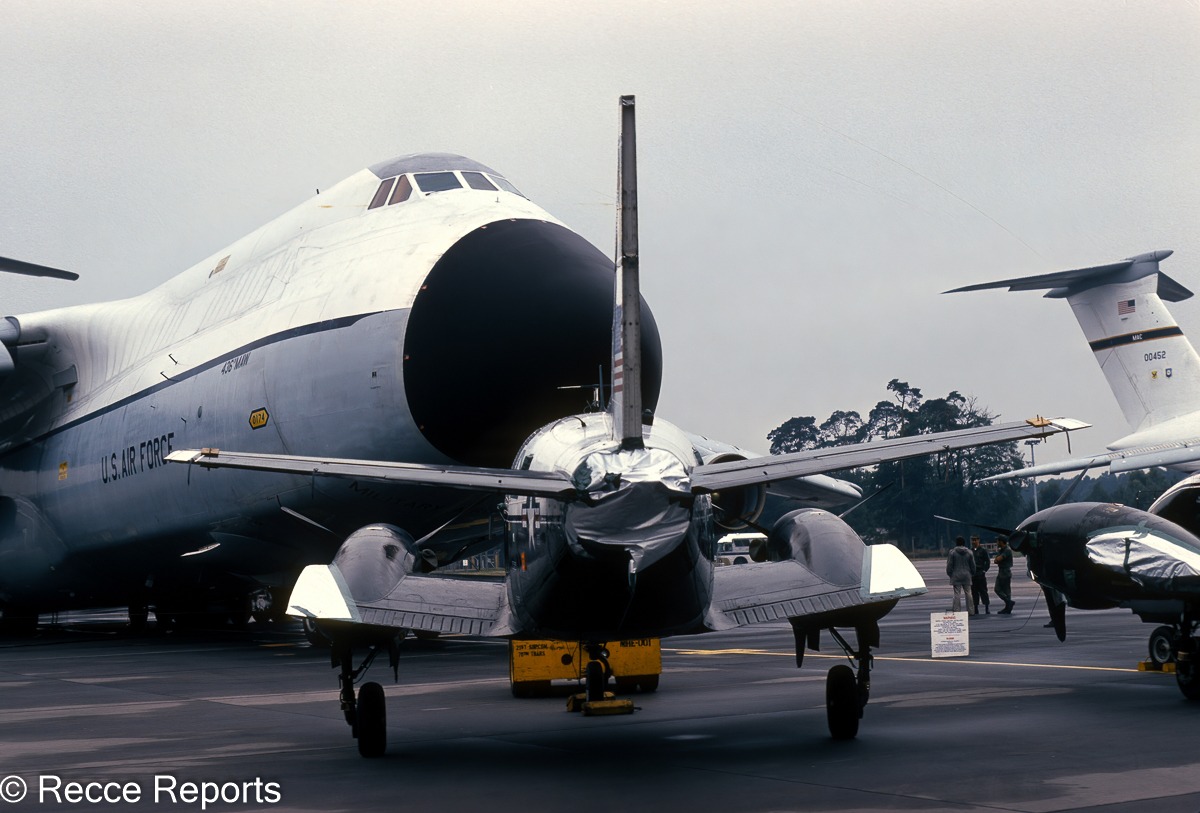
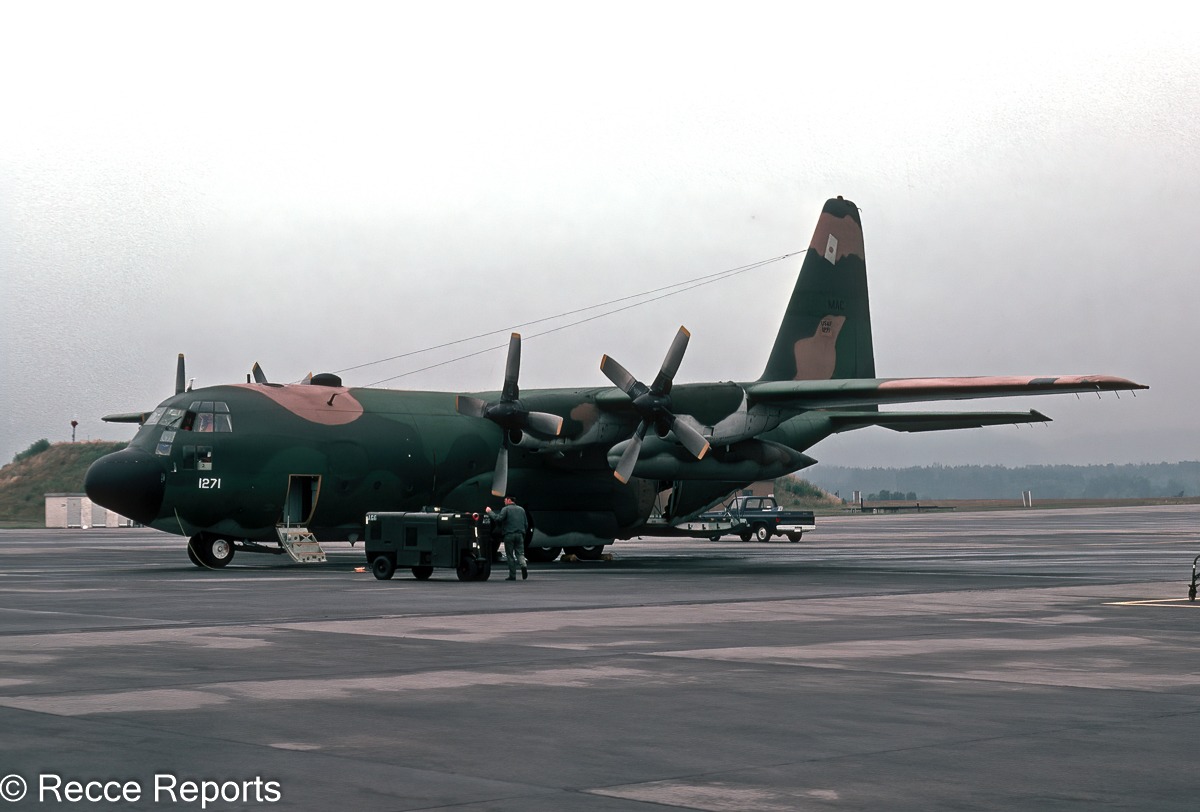
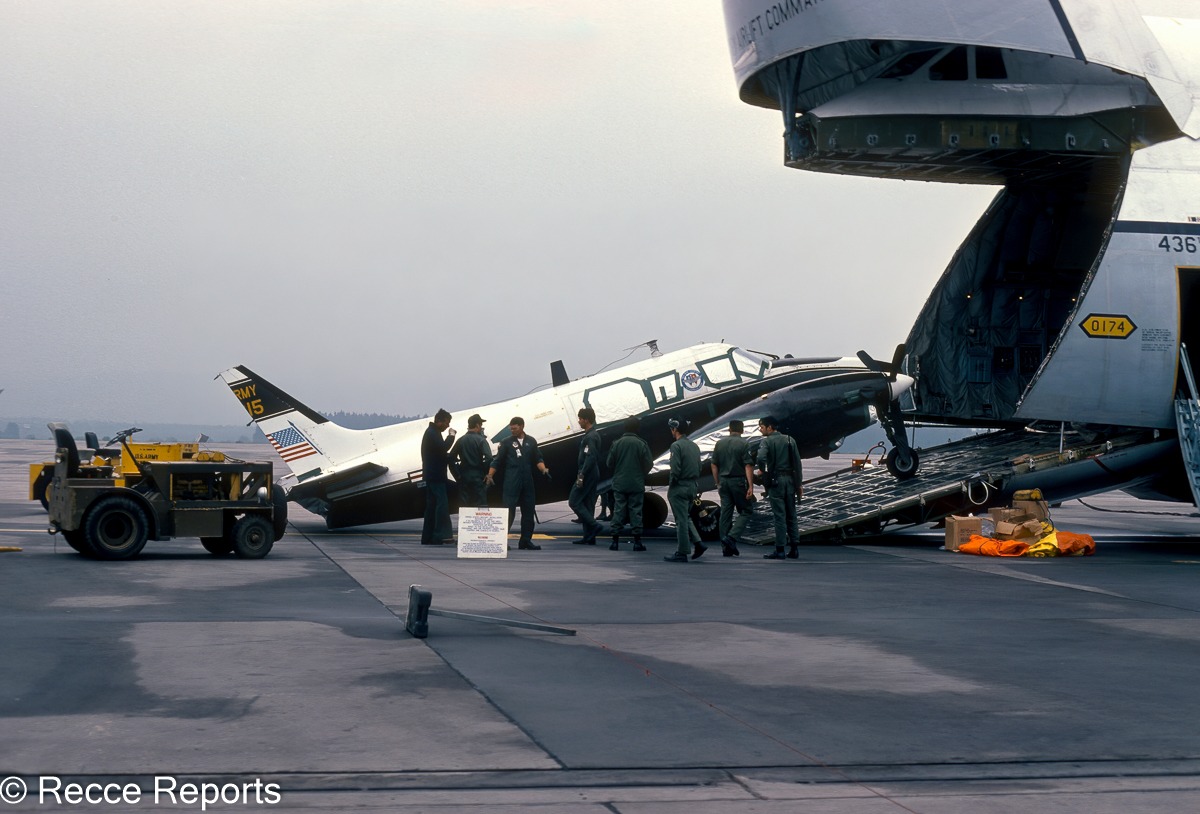
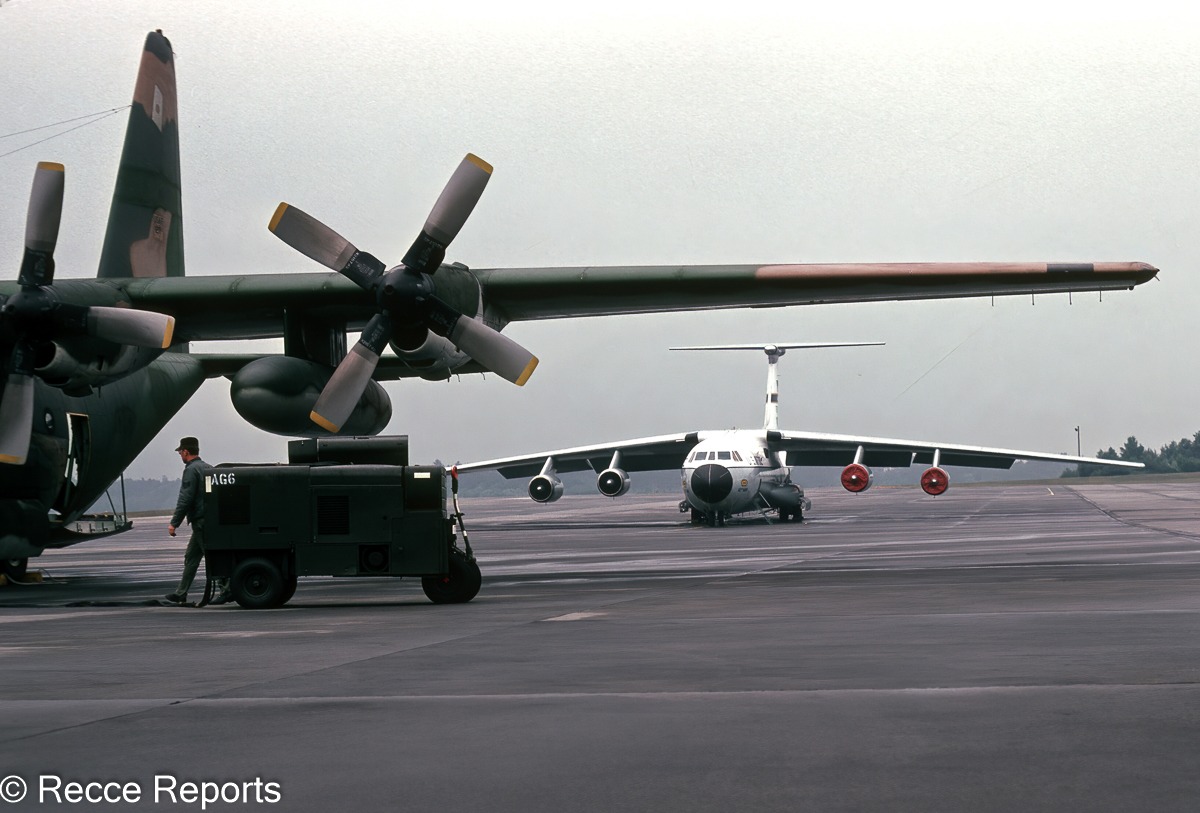
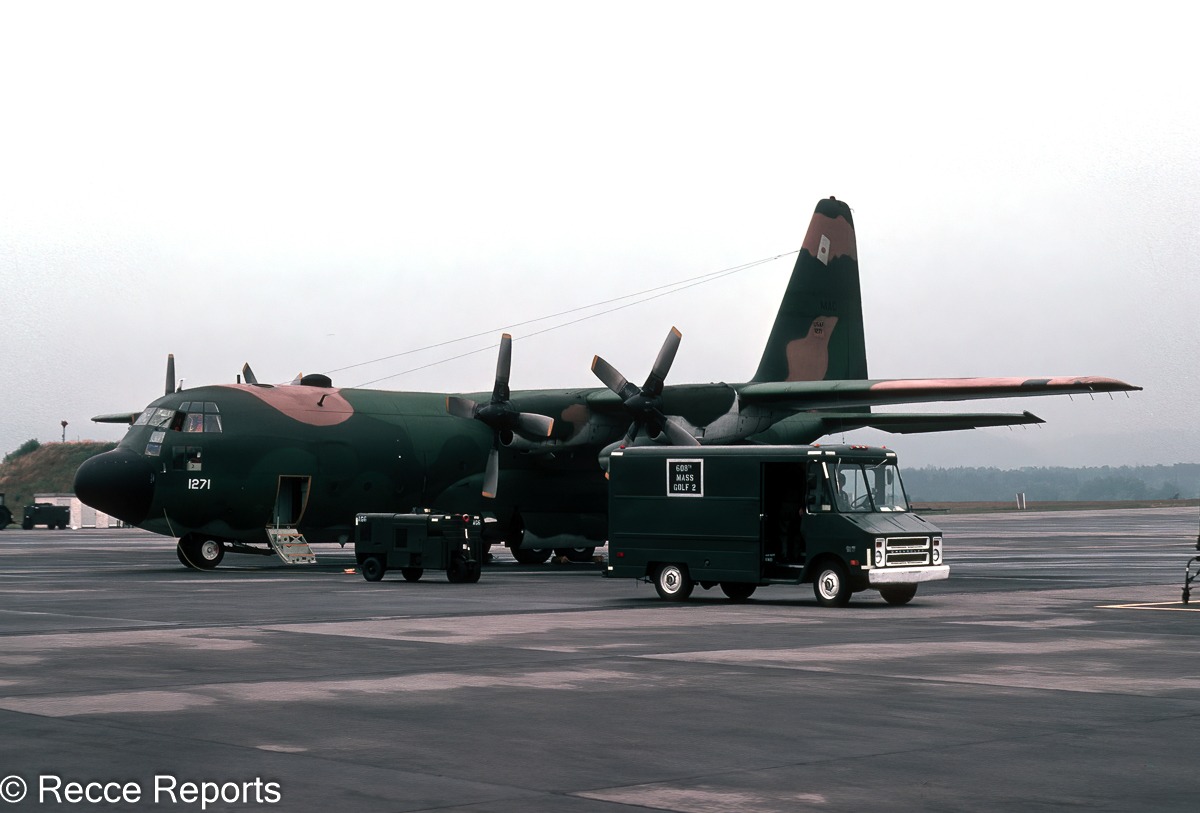
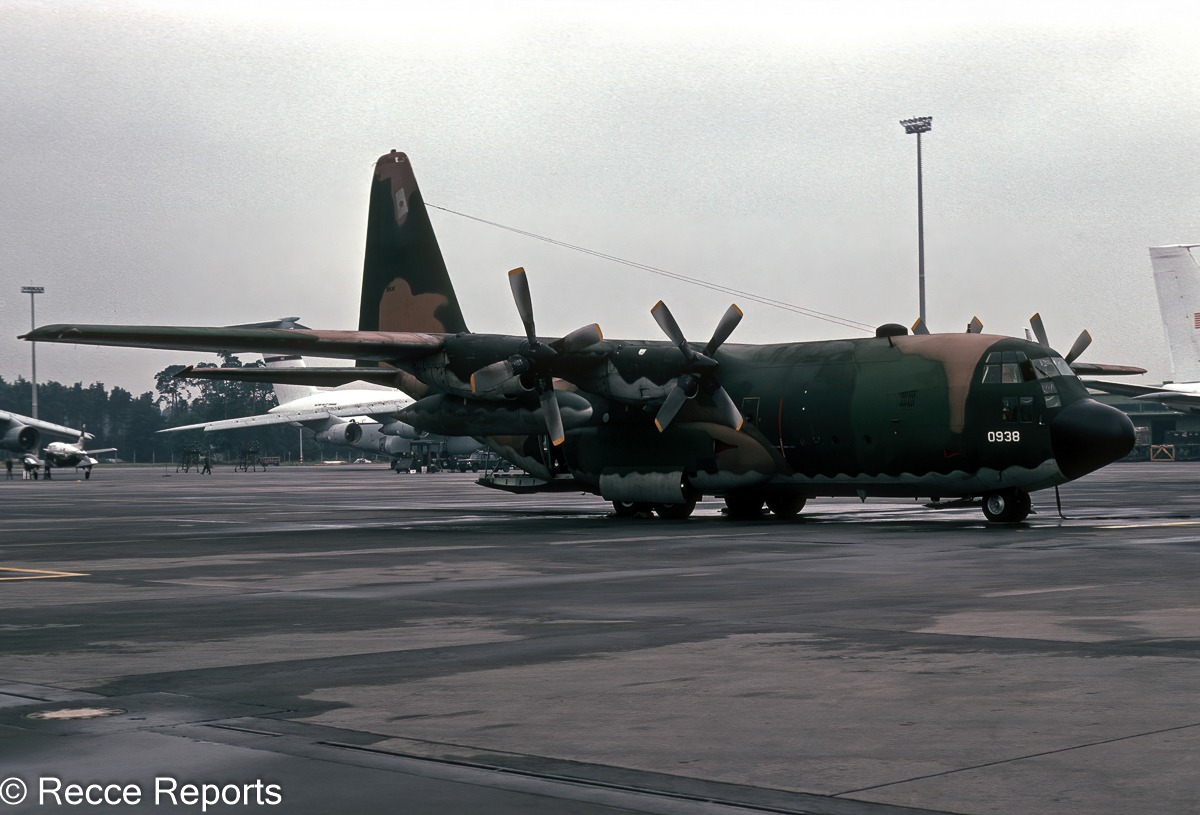
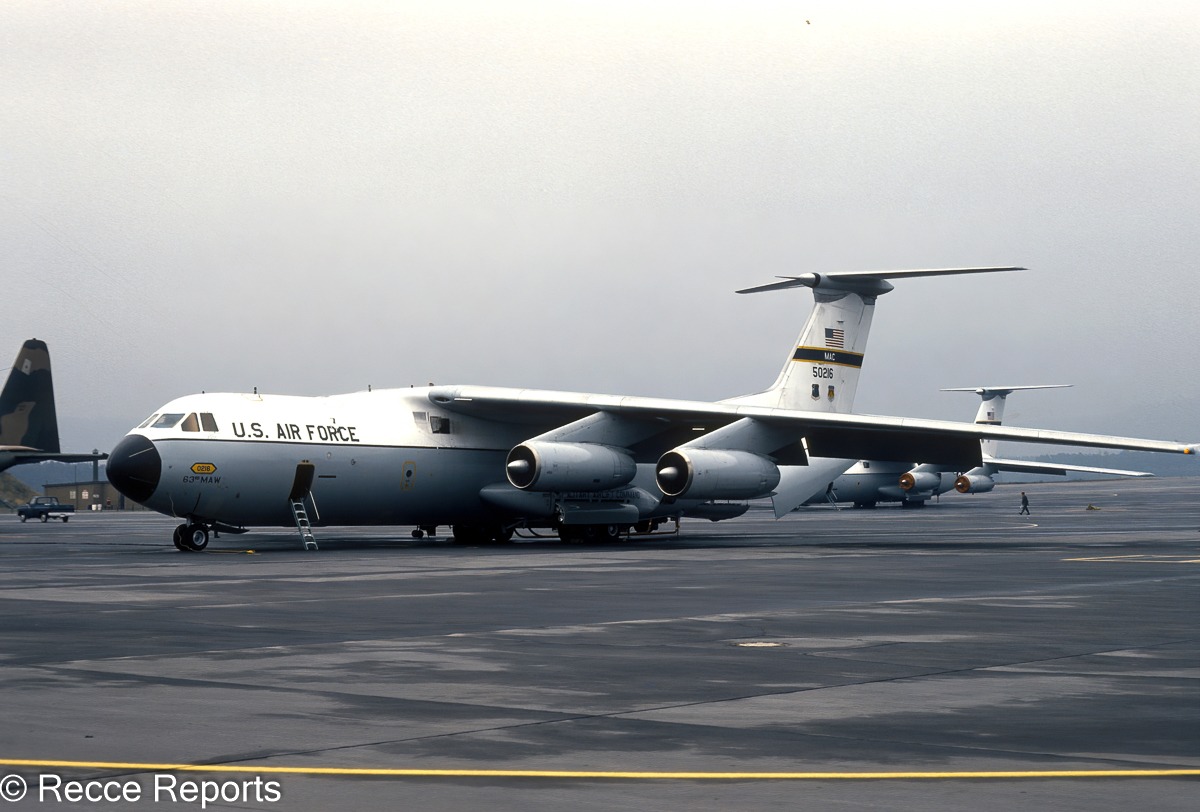
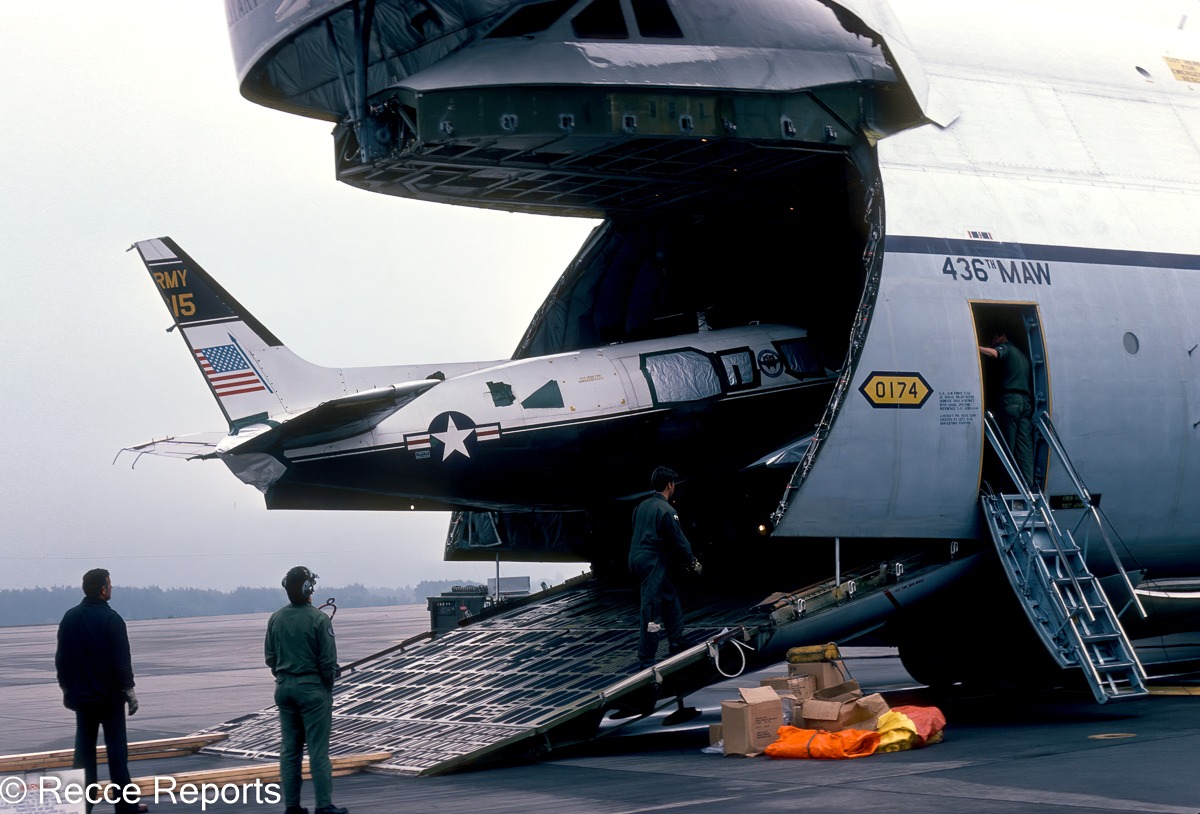
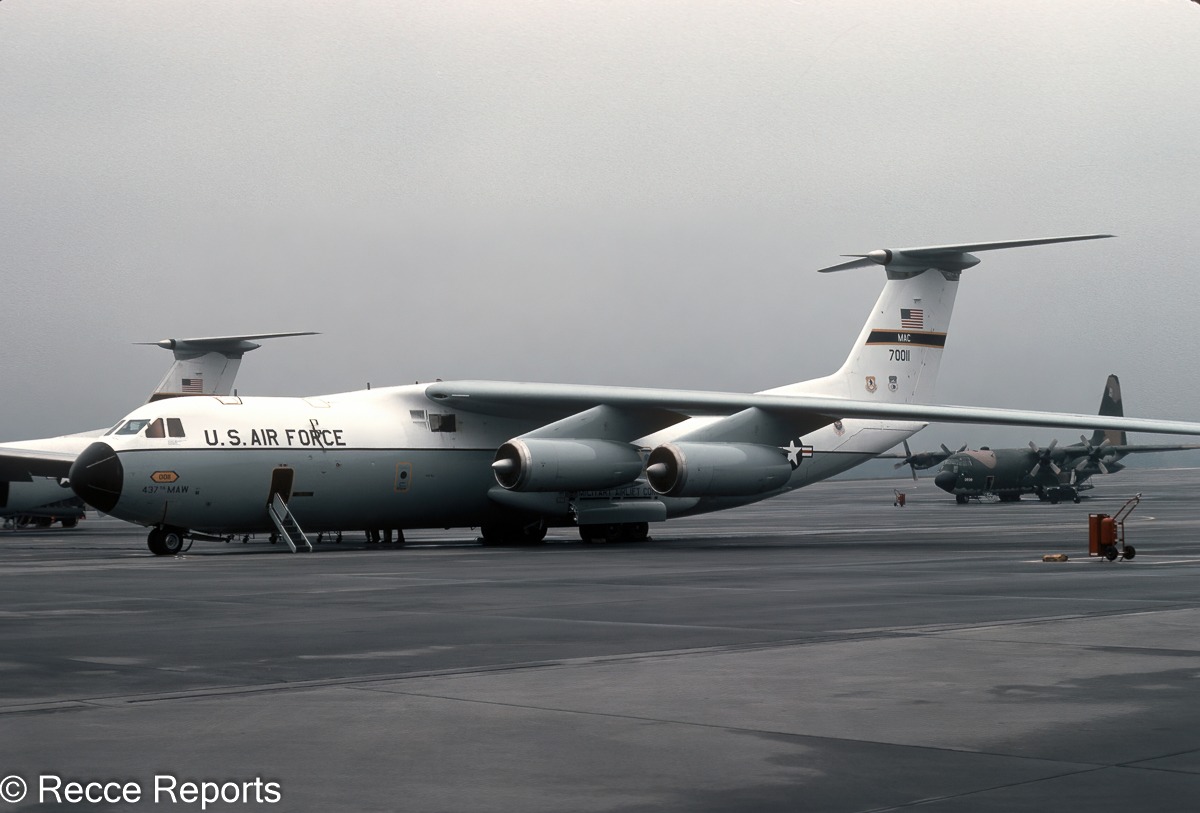
Its strategic location made Ramstein an important link between the United States and Europe, supporting the movement of personnel, equipment and supplies. The base was particularly busy with transport operations, with a steady stream of military airlifters using its extensive ramp facilities. C-130 Hercules, C-141 Starlifters and C-5 Galaxies were a familiar sight at Ramstein during this period.
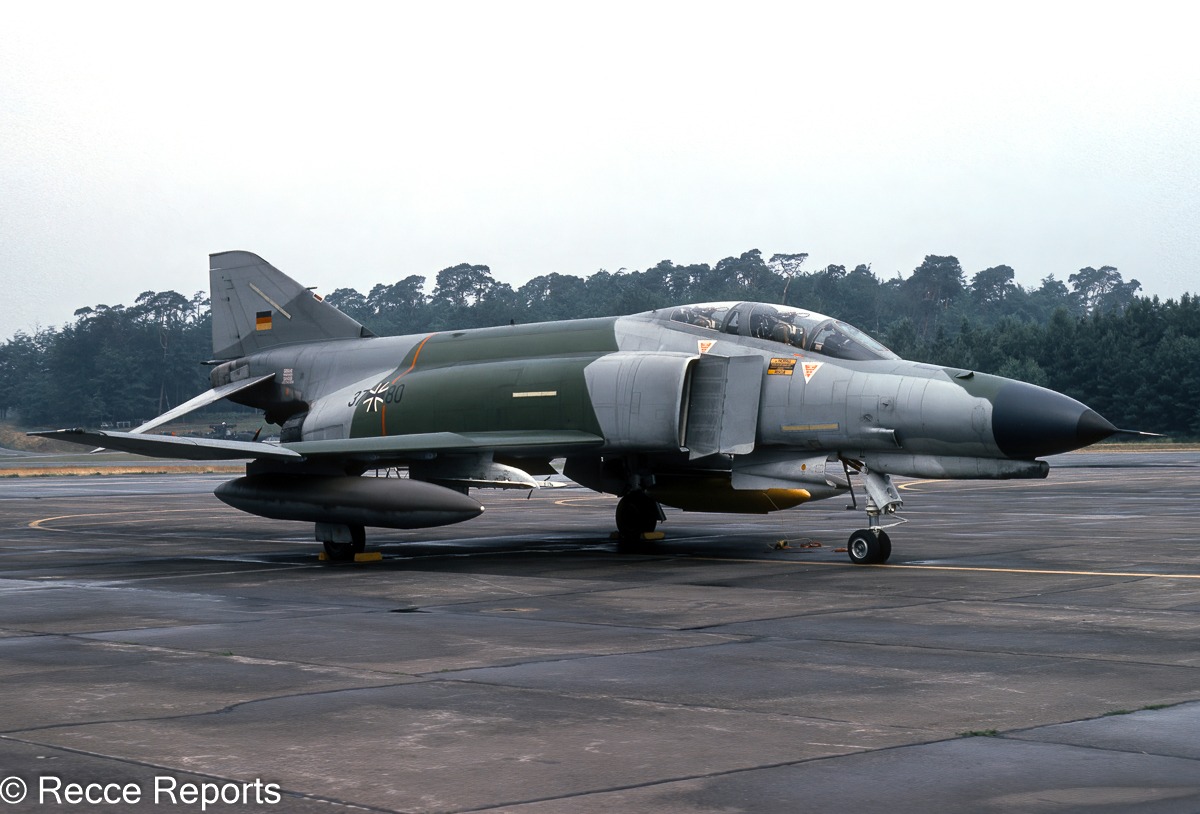
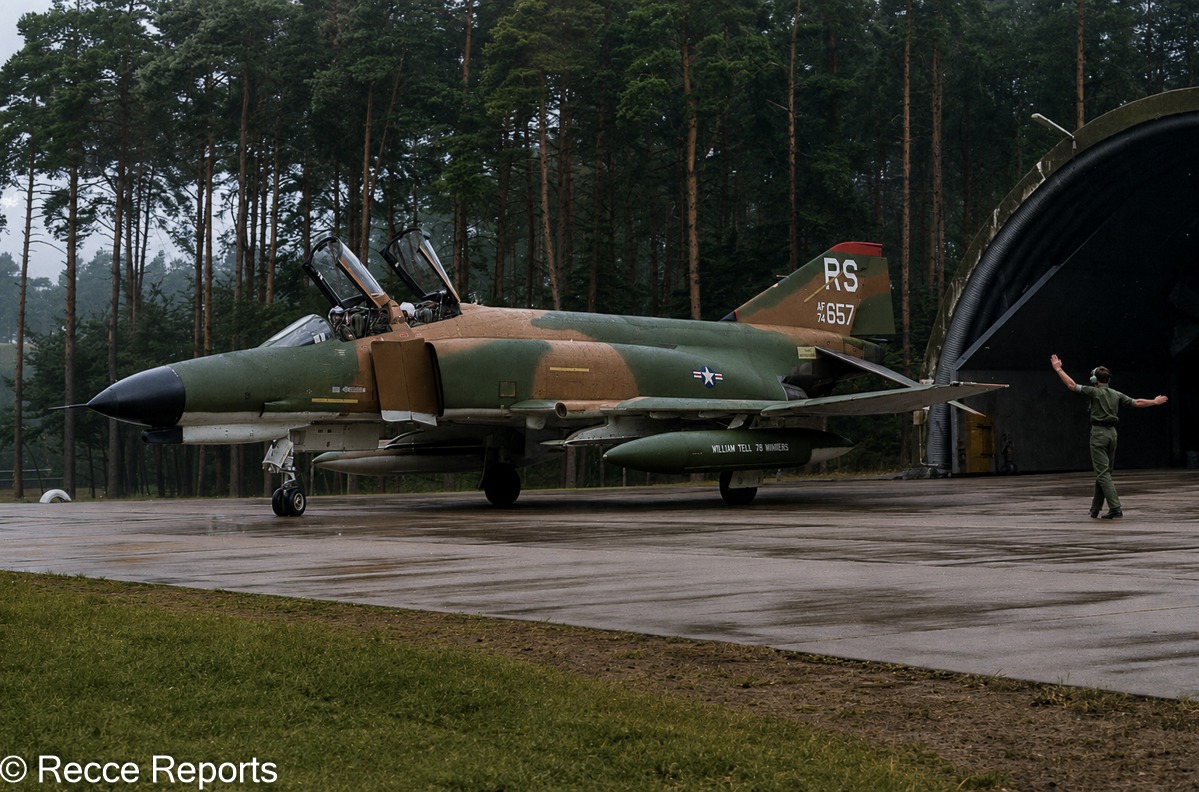
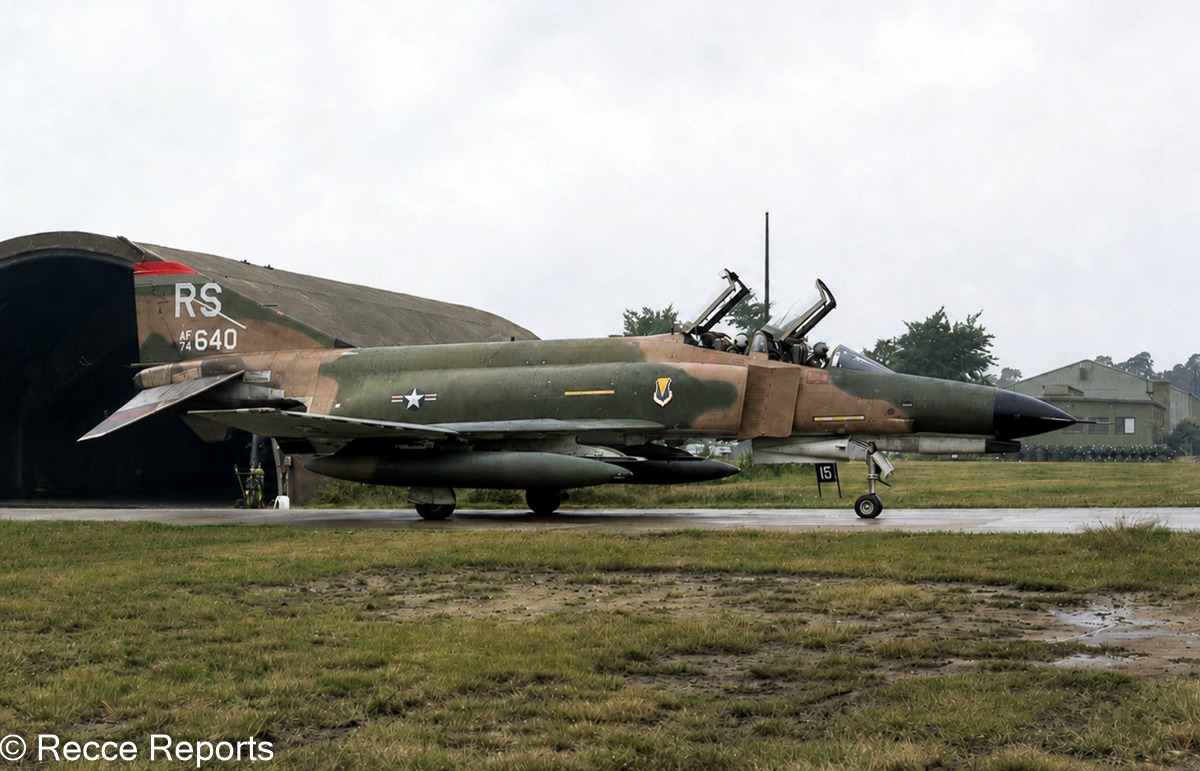
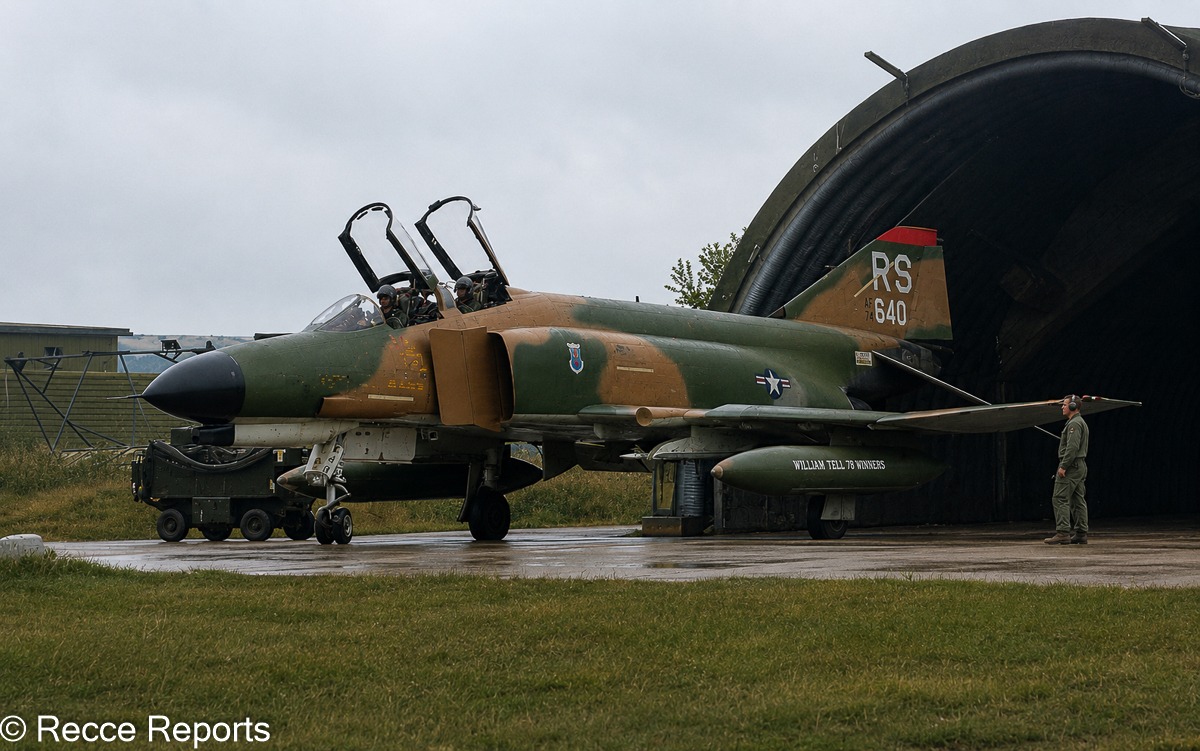
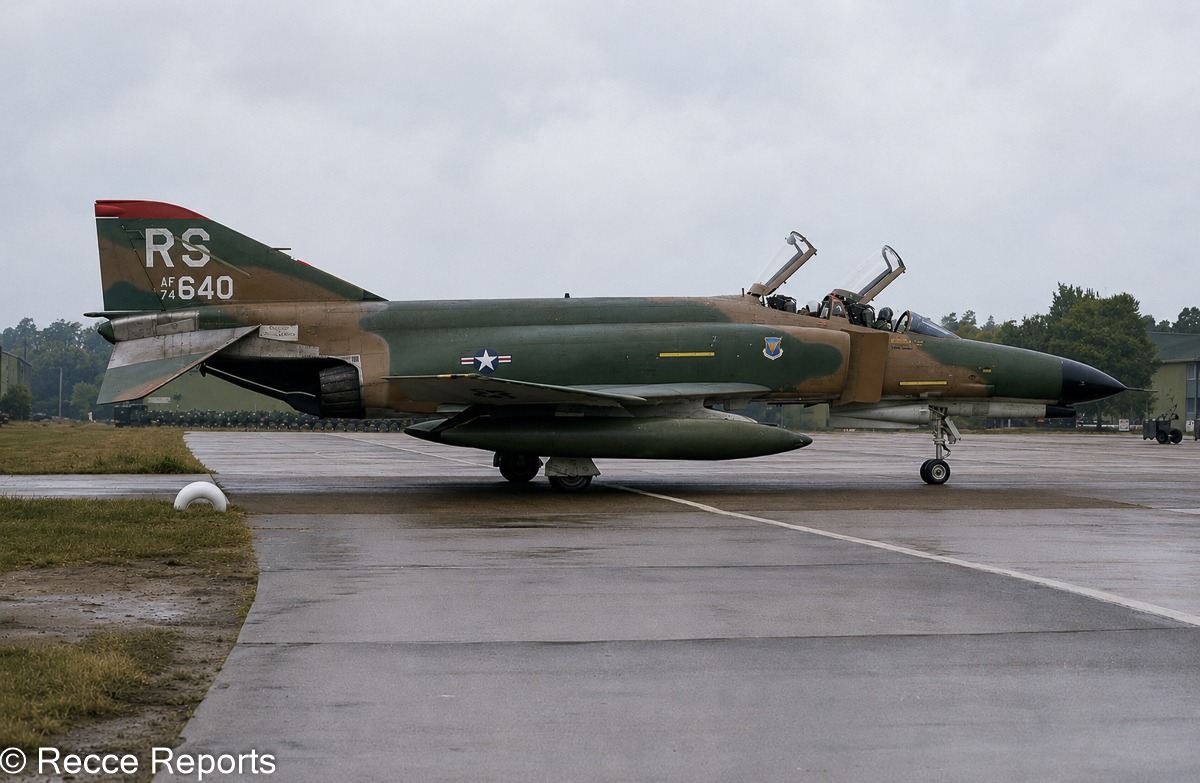
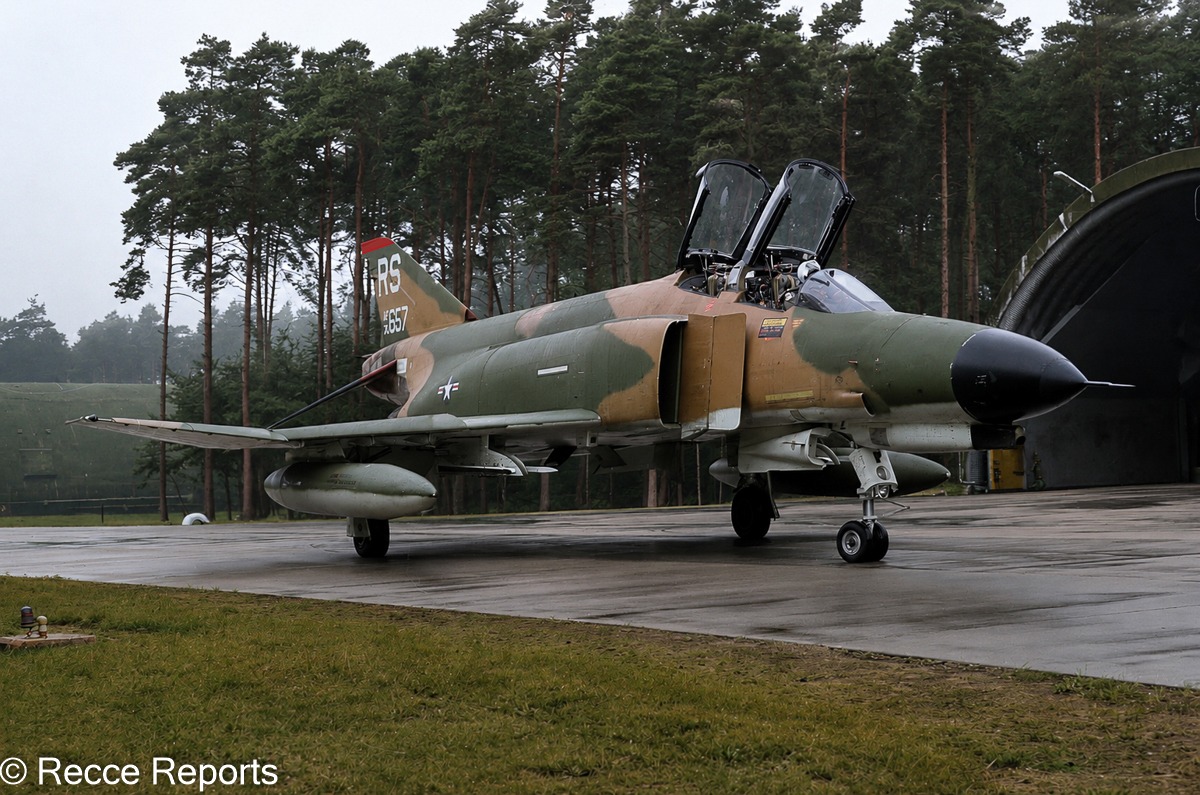
Ramstein was also home to the 86th Tactical Fighter Wing (86th TFW). Its two operational fighter squadrons were the 512th Tactical Fighter Squadron, known as the Dragons, and the 526th Tactical Fighter Squadron, the Black Knights. Both squadrons operated the McDonnell Douglas F-4E Phantom II, giving Ramstein a particularly interesting combination of tactical fighters and heavy transport aircraft.
Base Visit
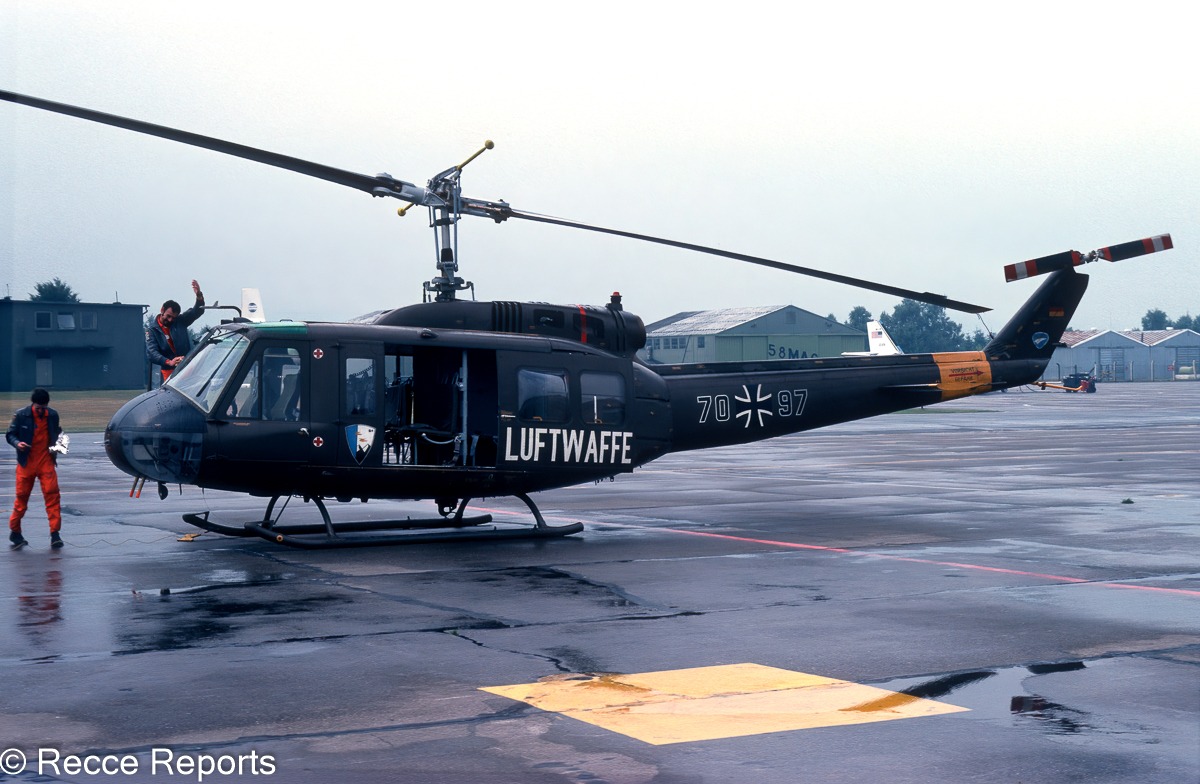
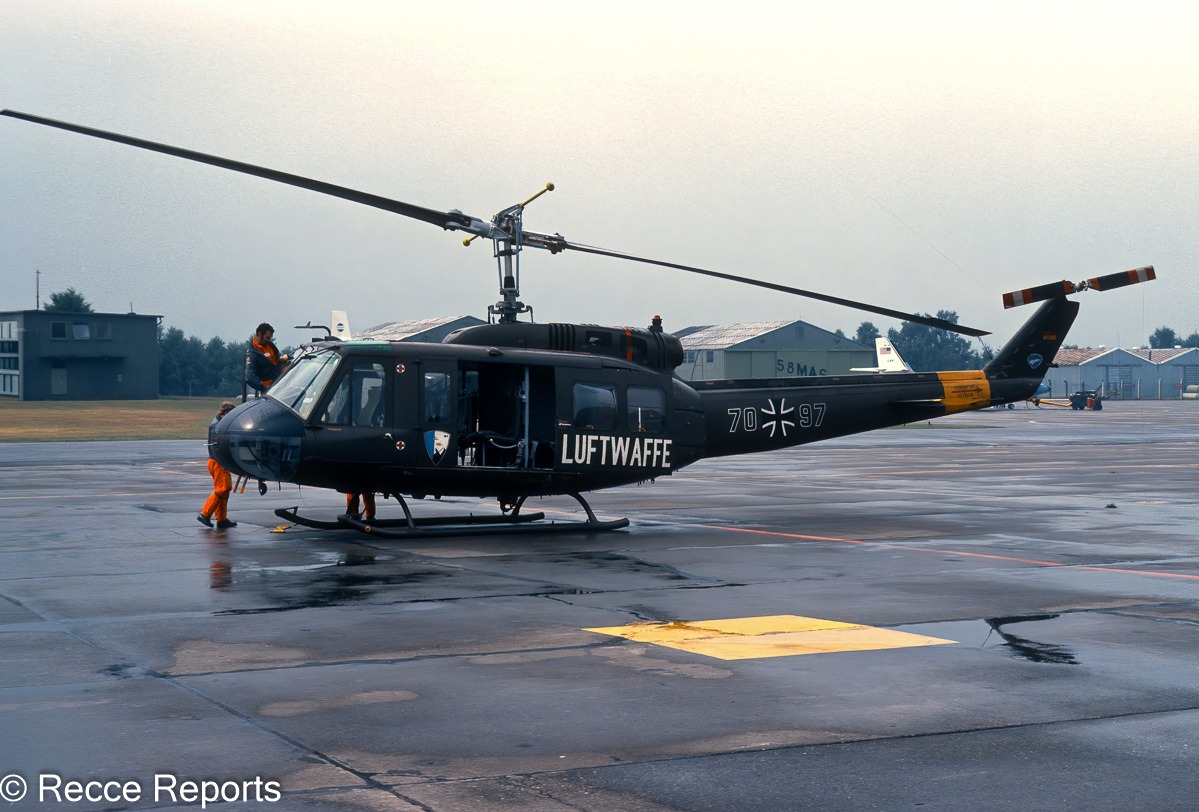
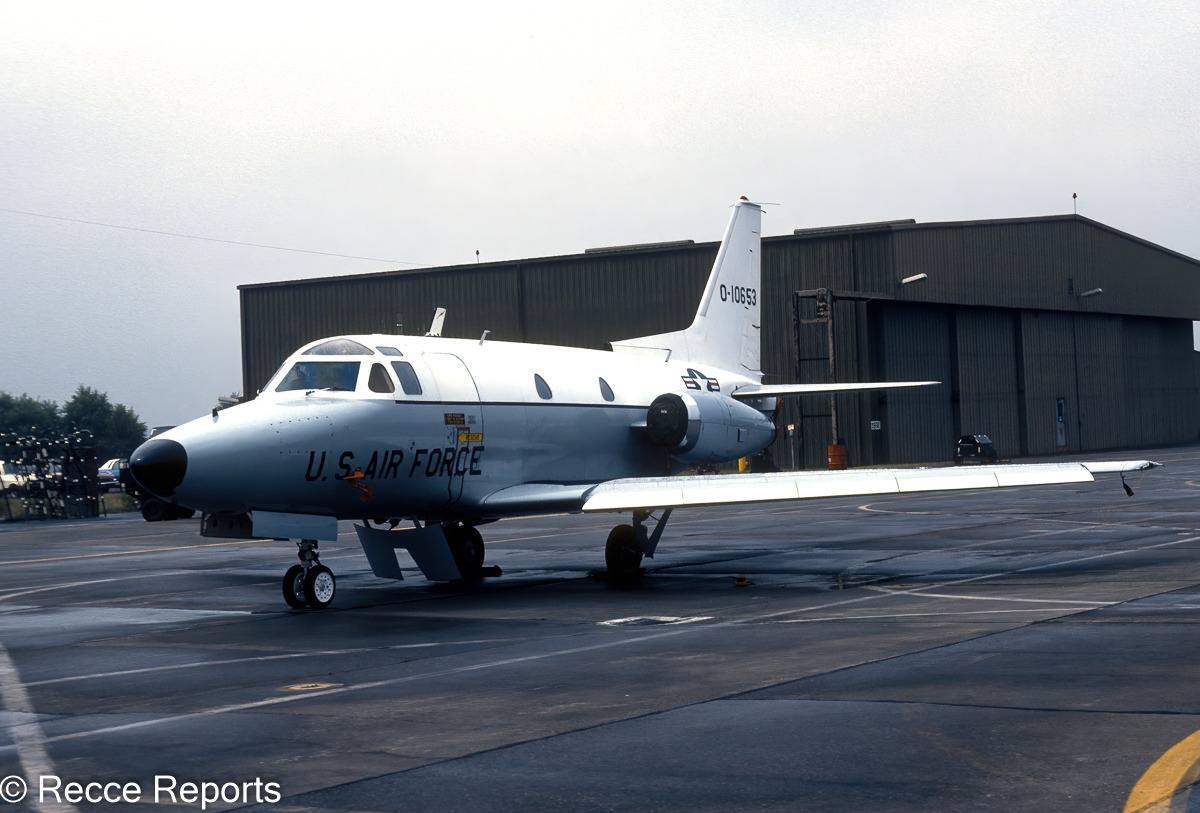
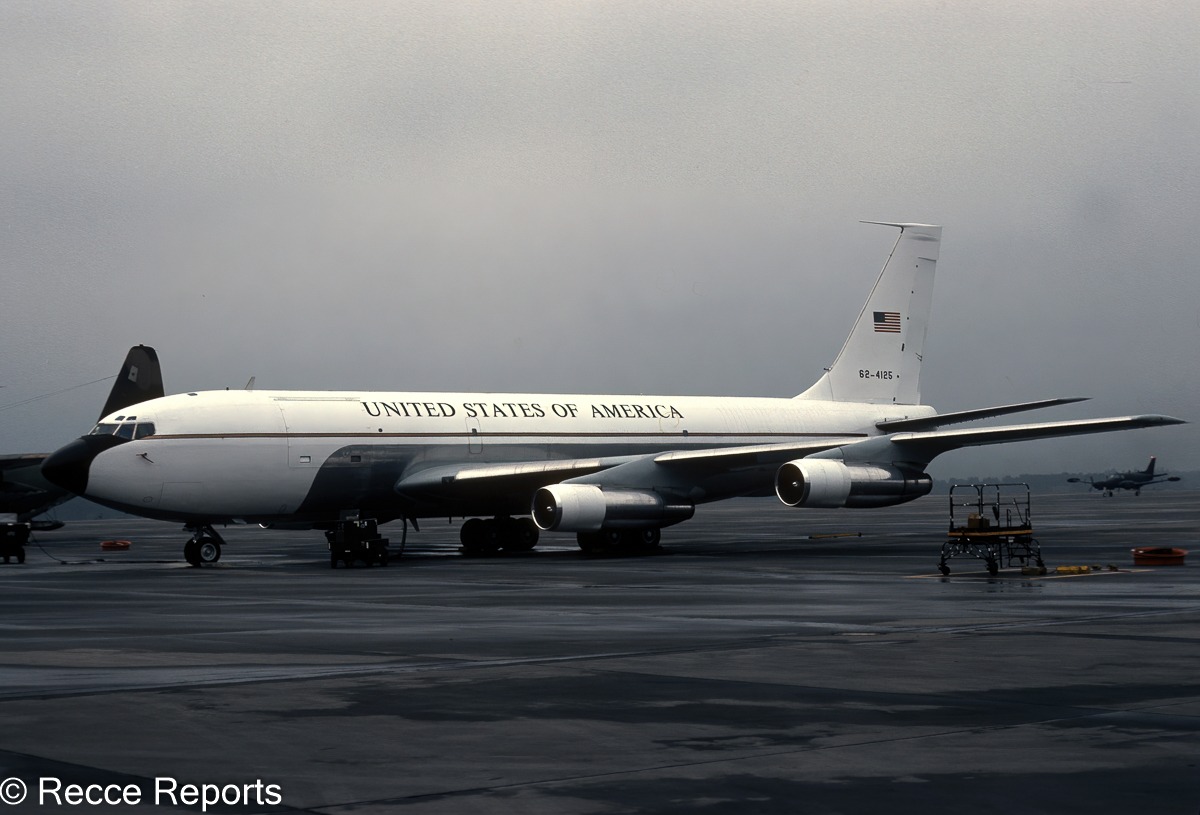
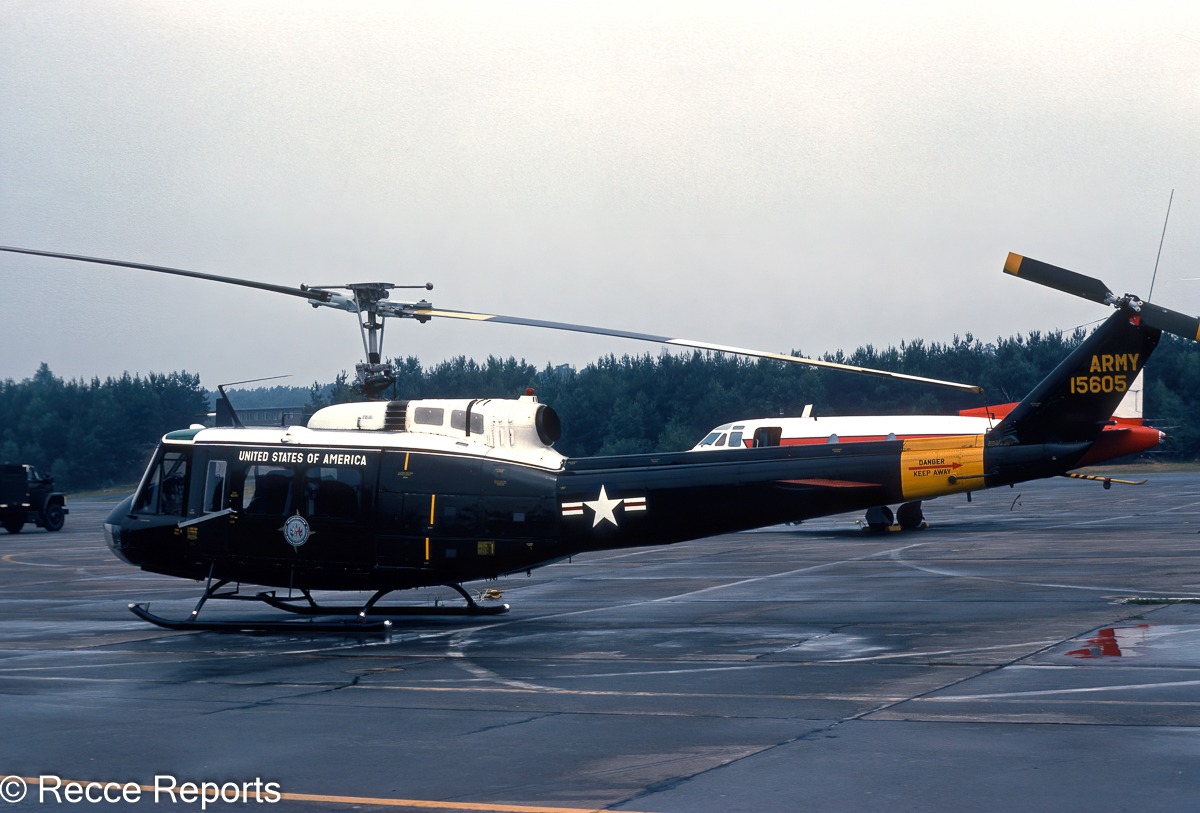
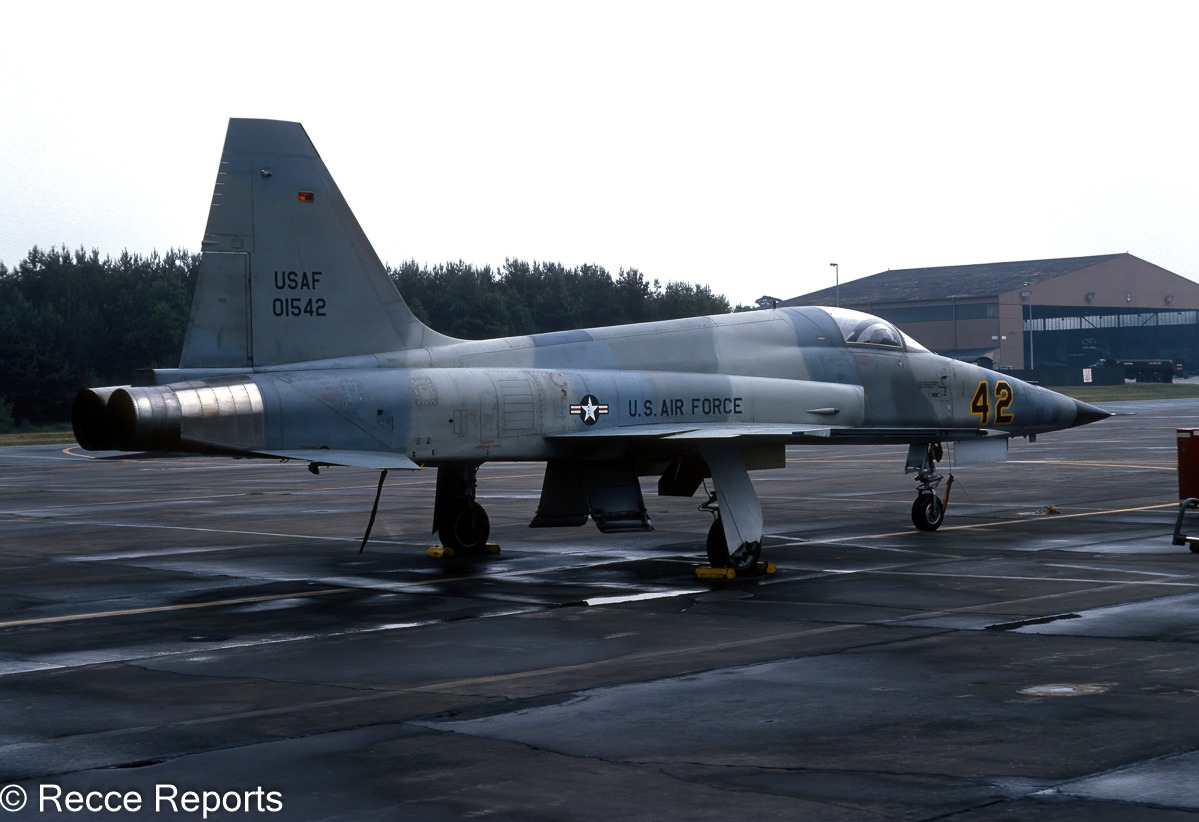
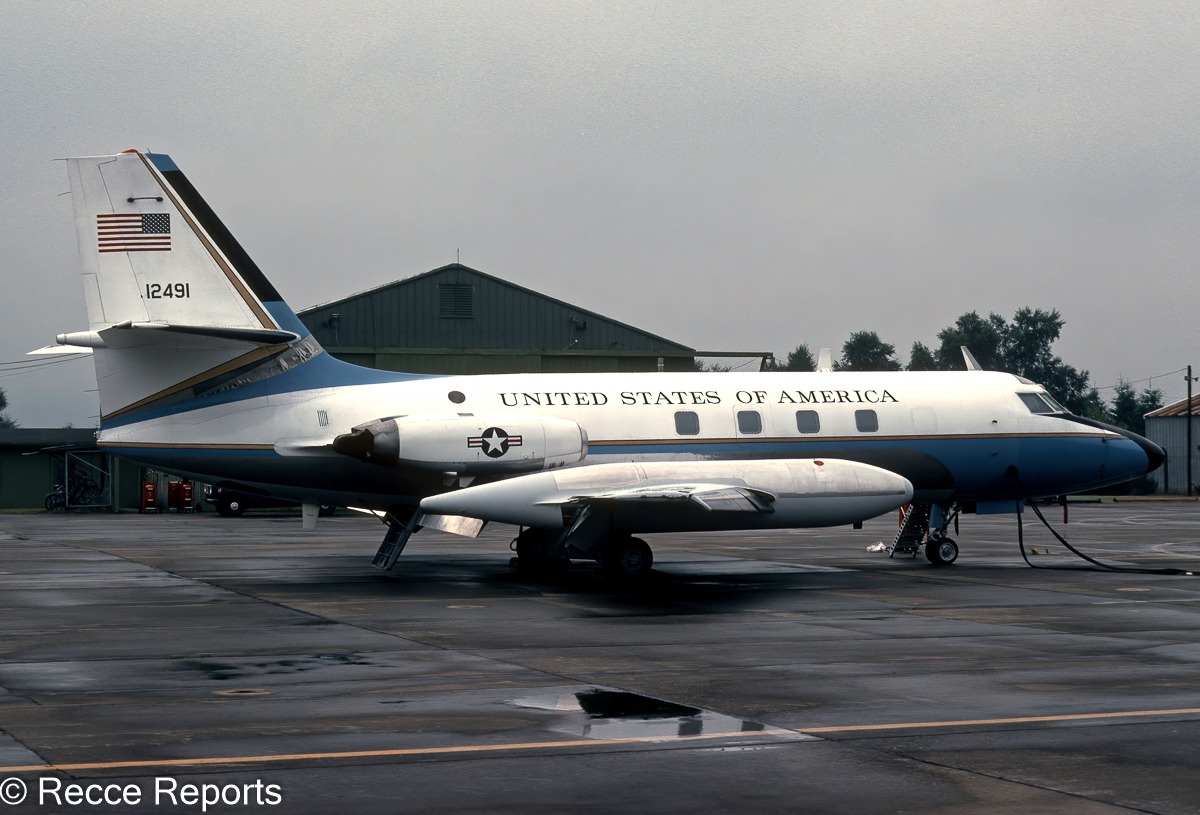
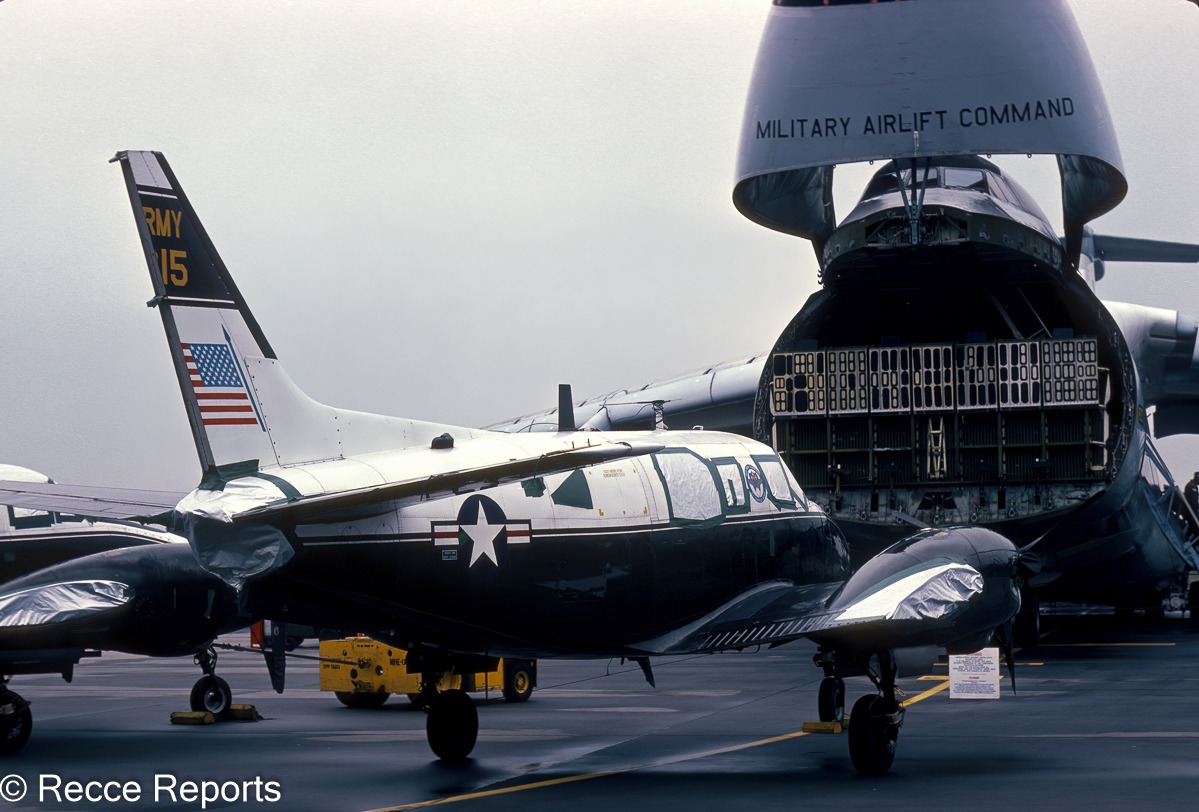
During our visit, we were given excellent access to the flight line and had the opportunity to photograph a wide variety of aircraft. As expected, the busy transport ramp featured a constant stream of heavy airlifters, including C-130 Hercules, C-141 Starlifters and the enormous C-5 Galaxy.
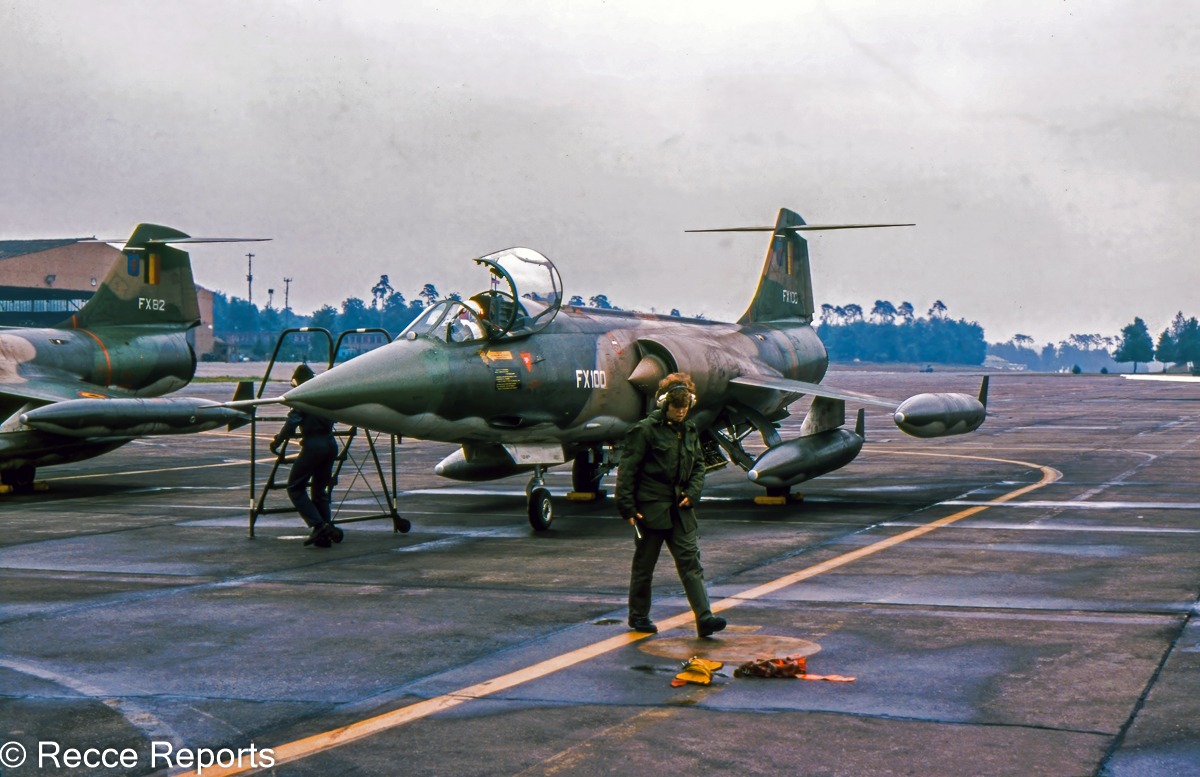
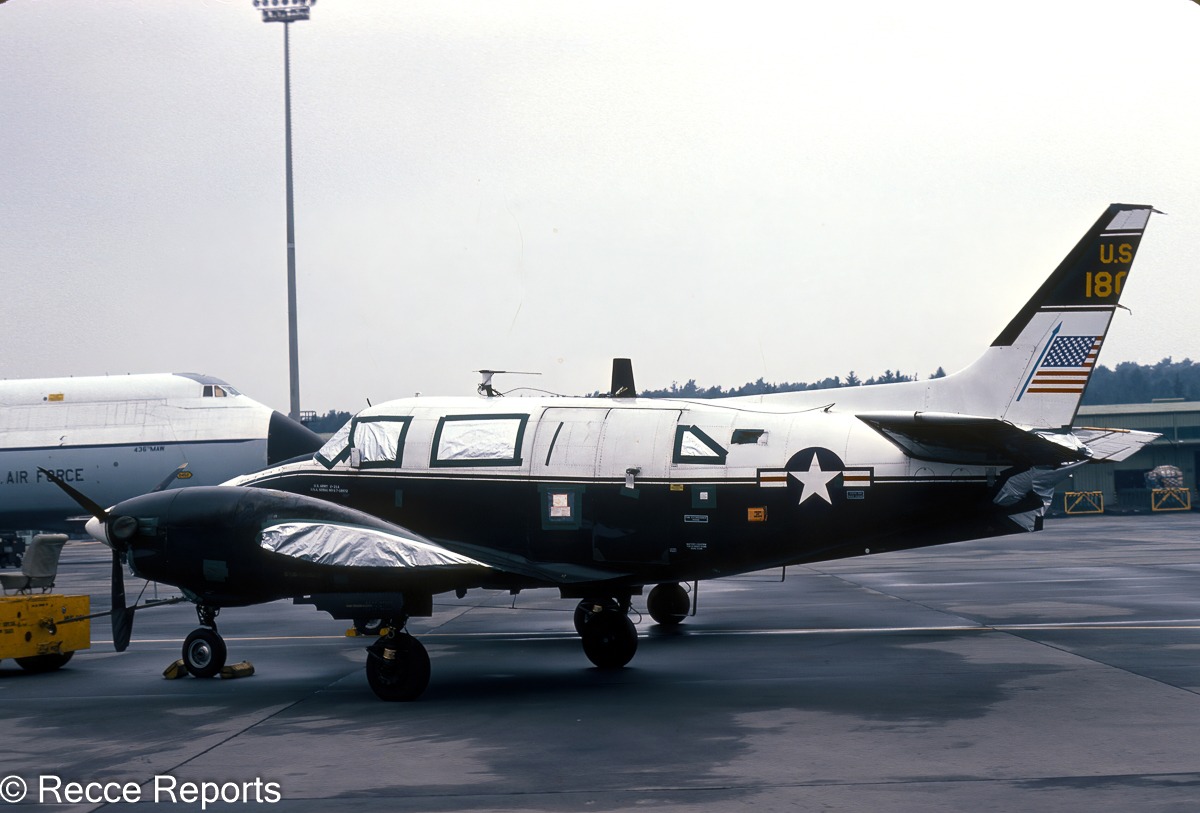
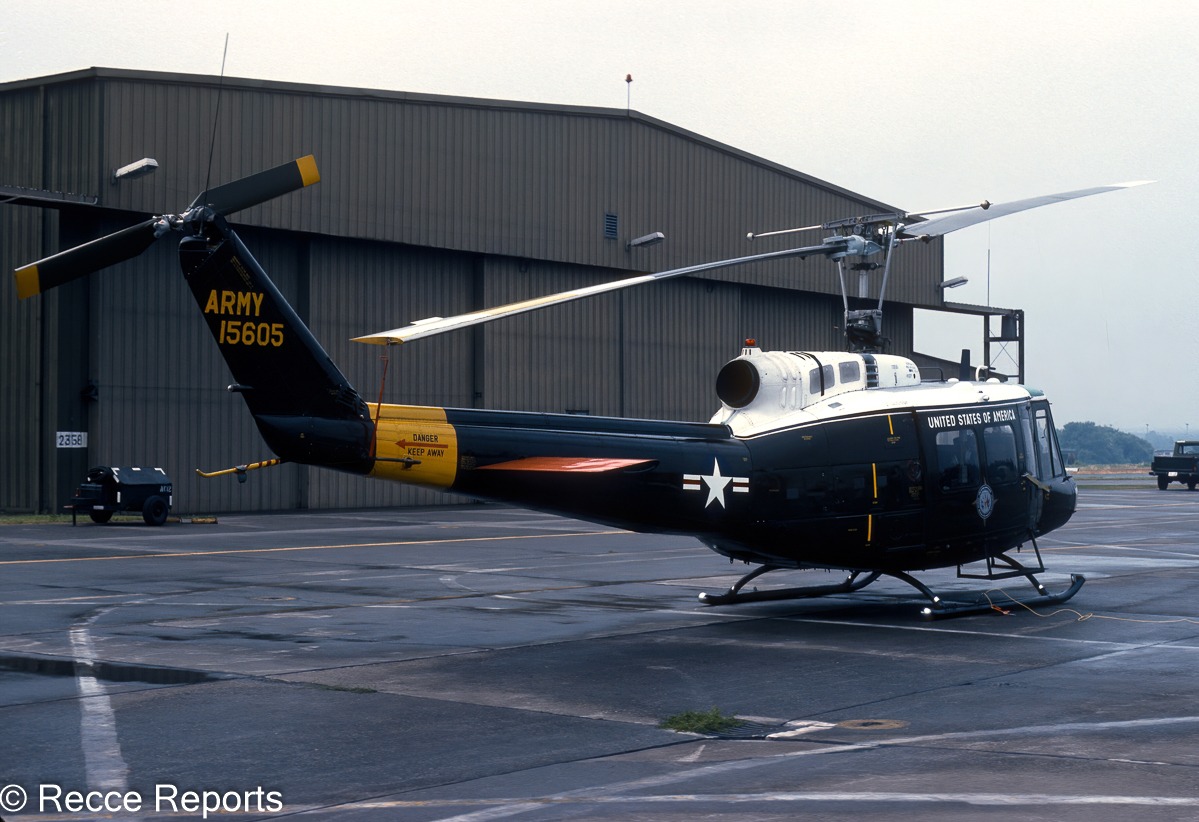
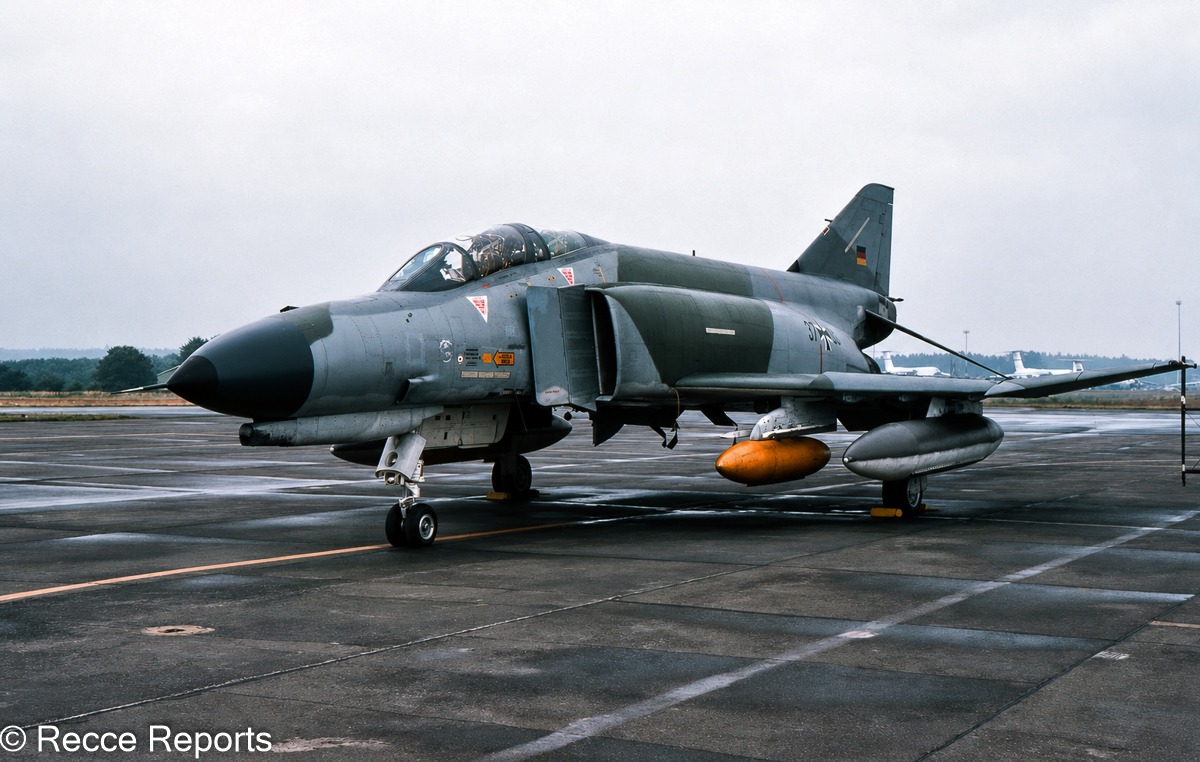
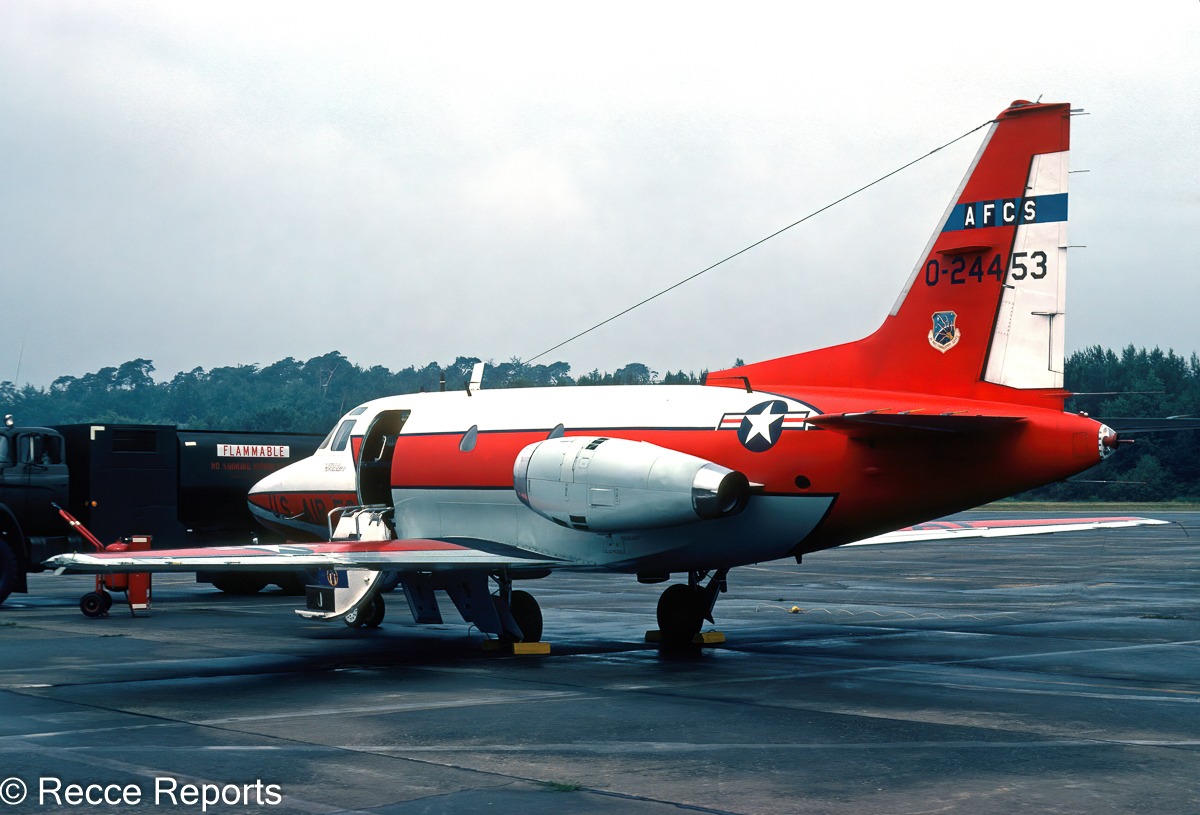
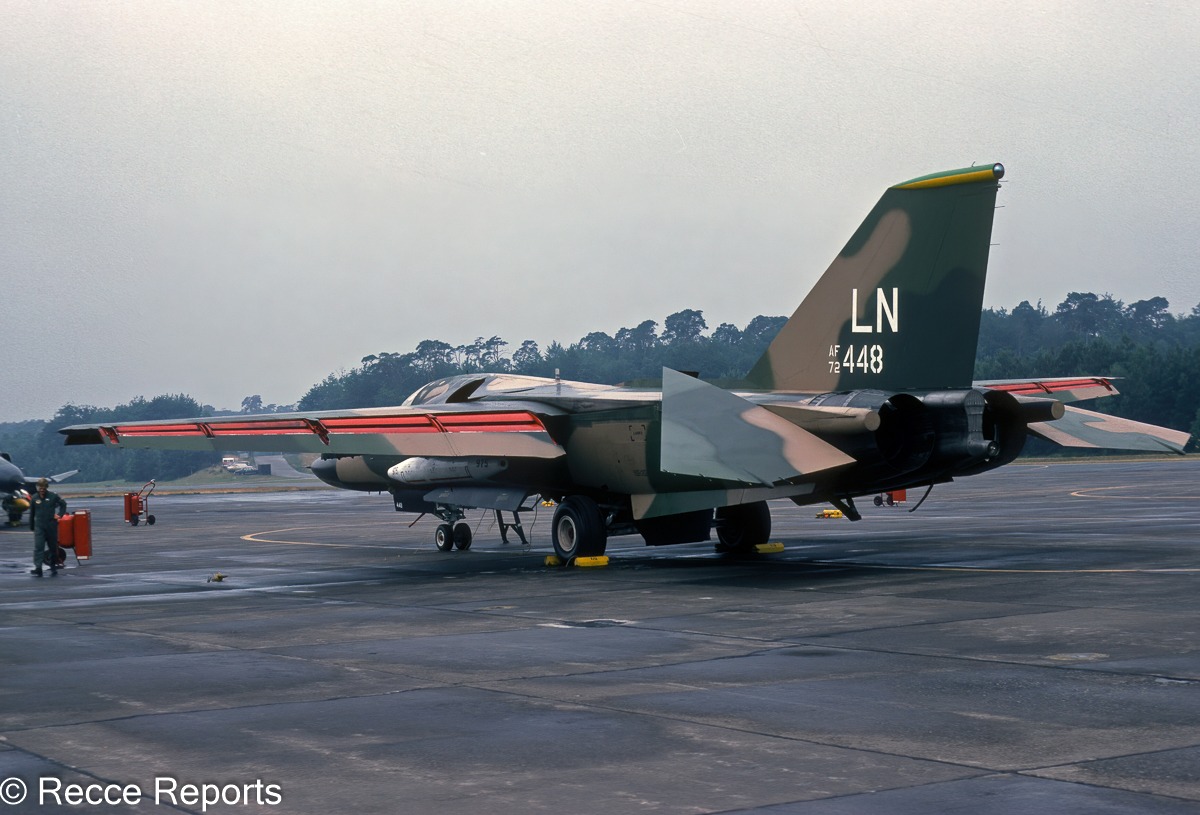
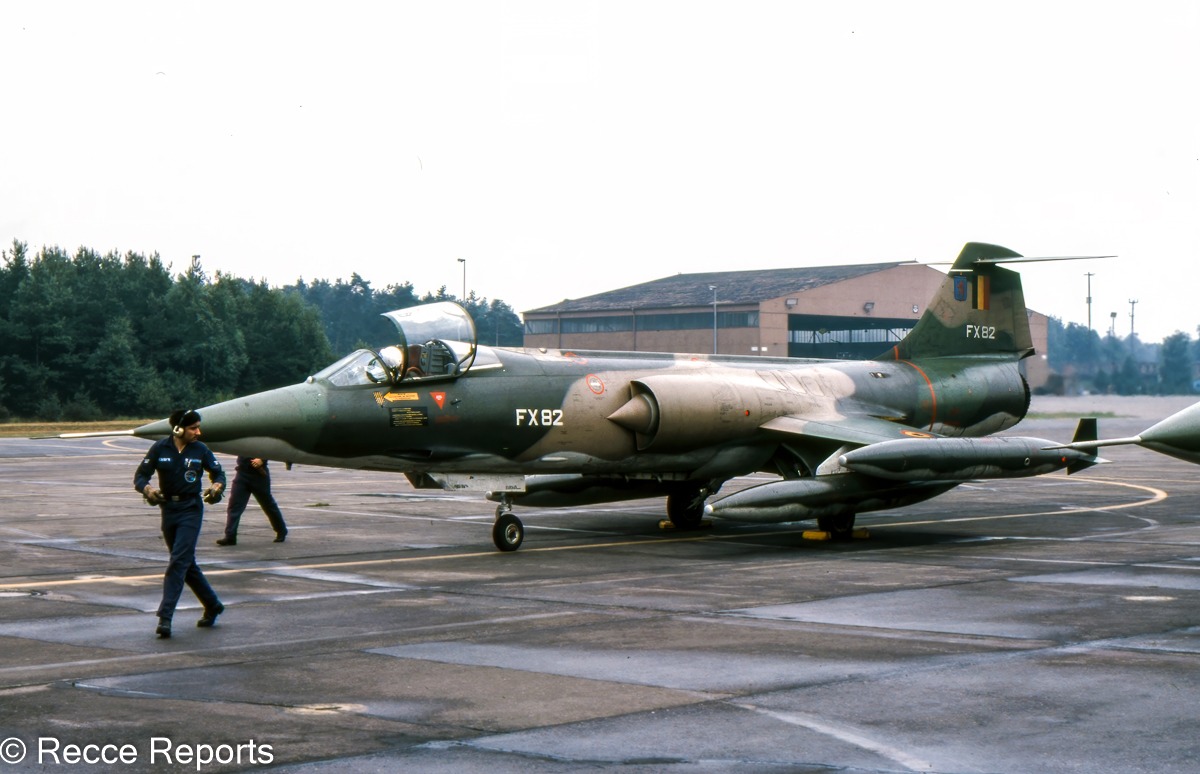
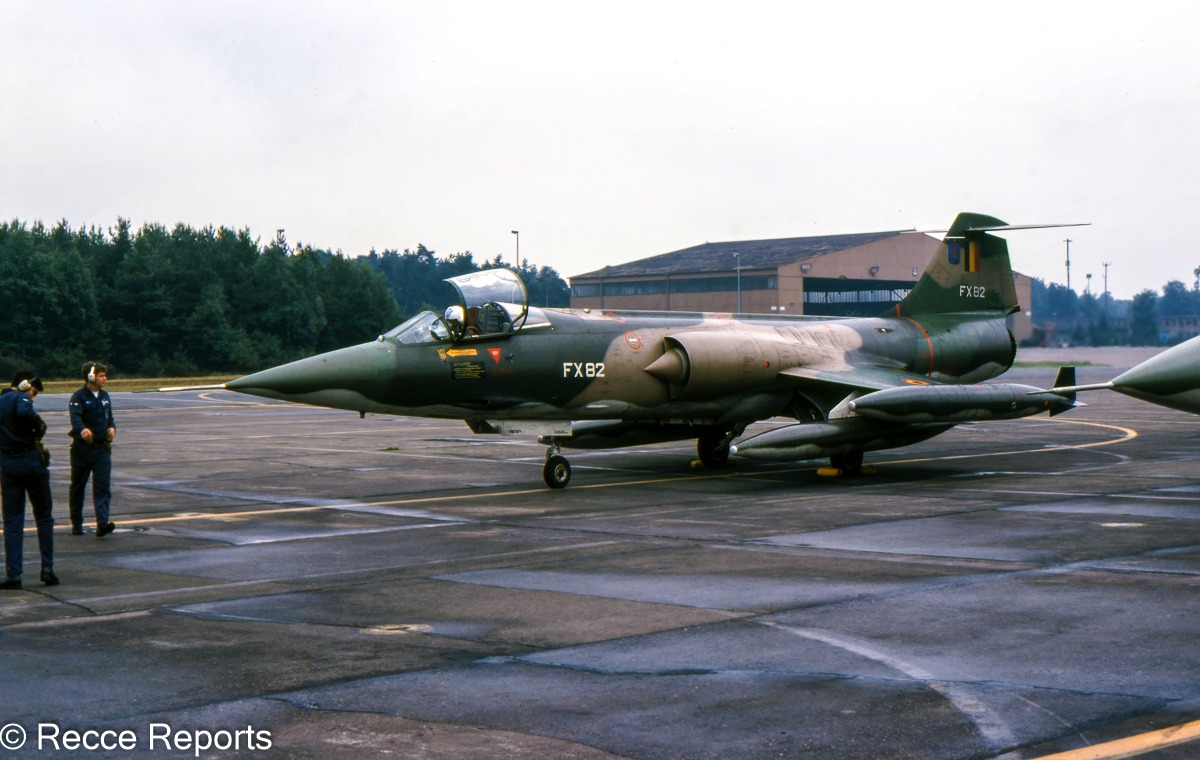
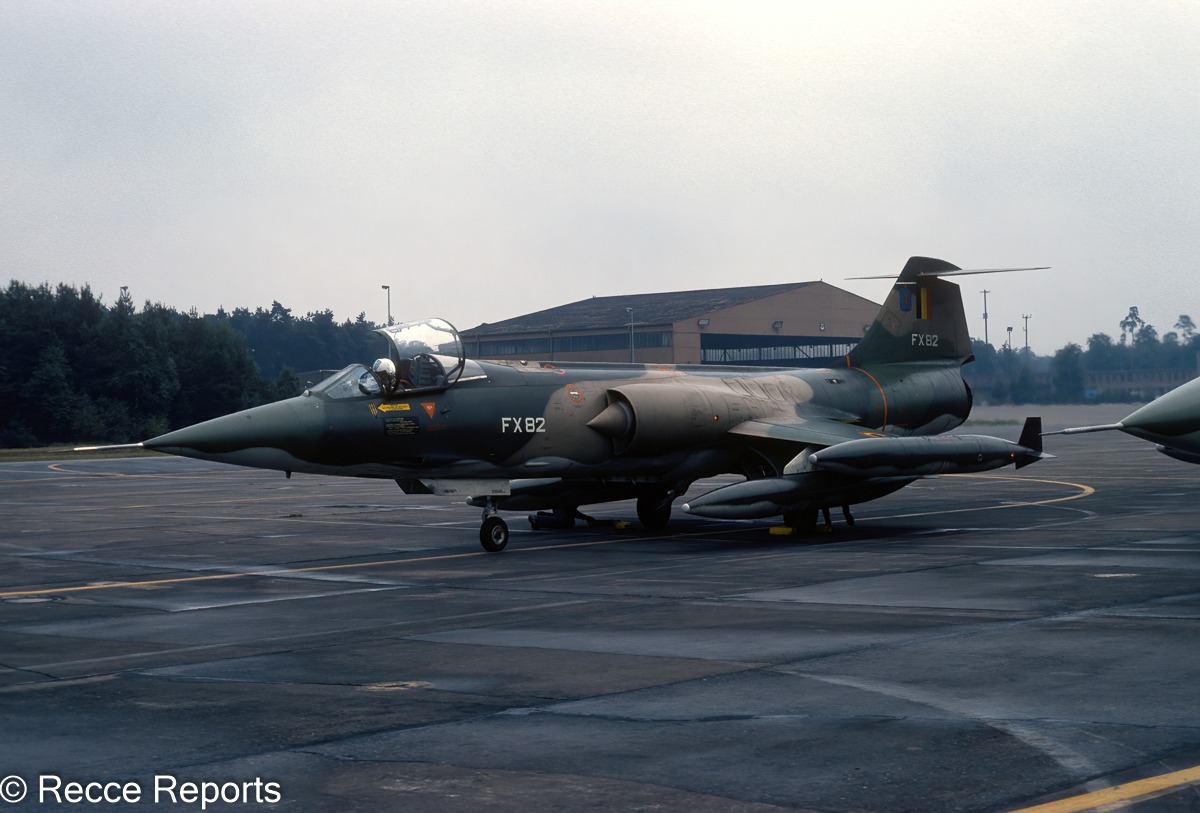
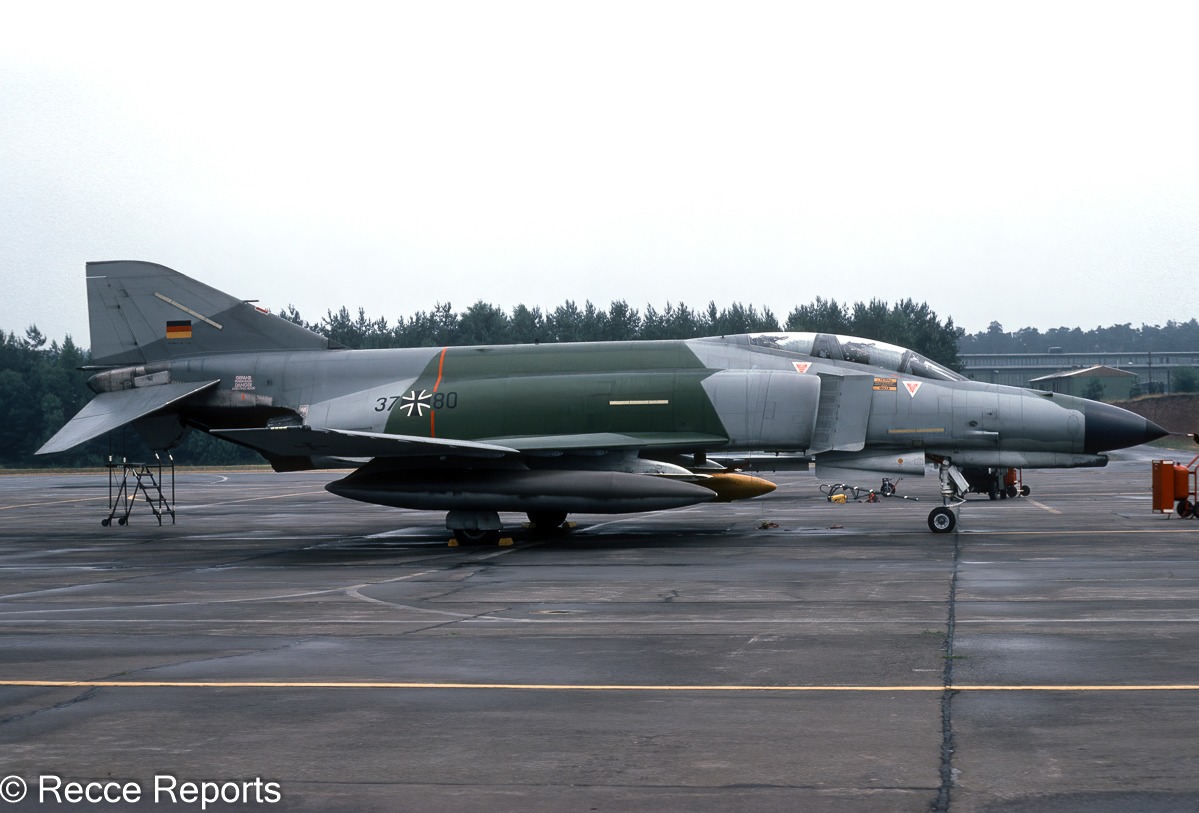
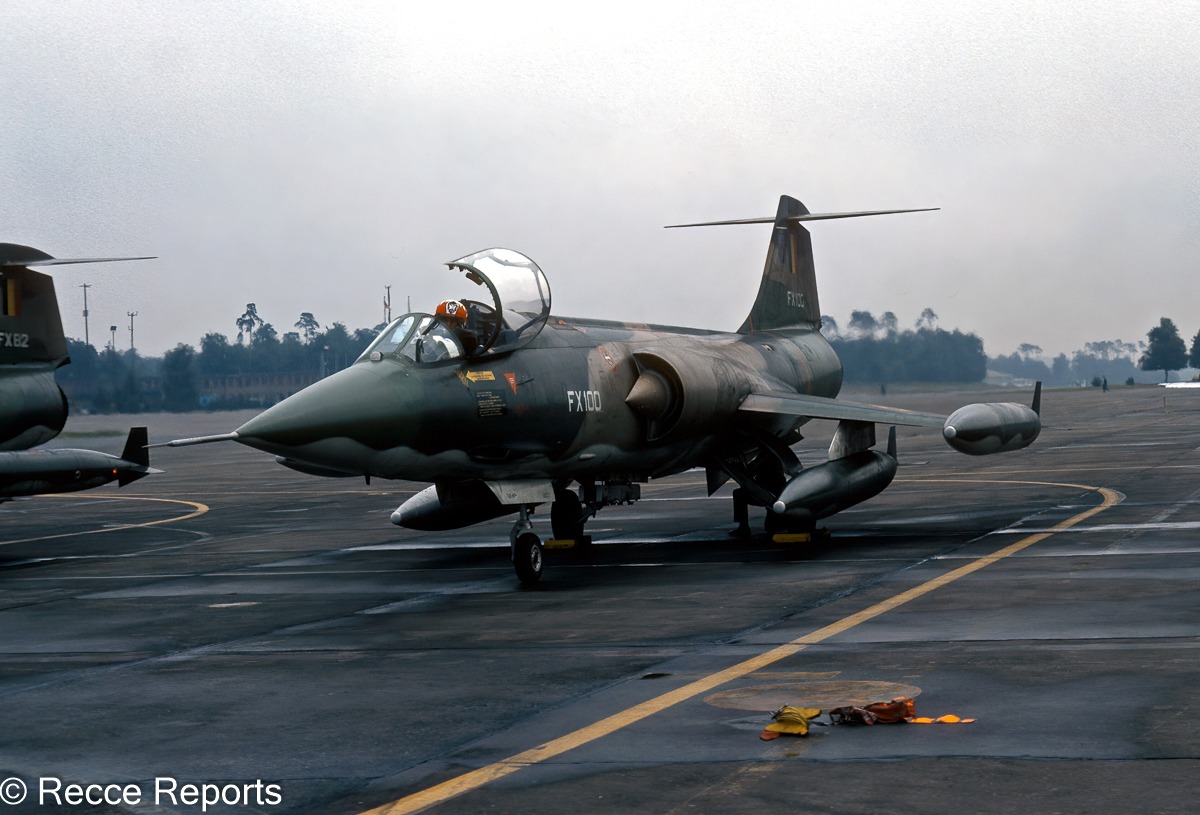
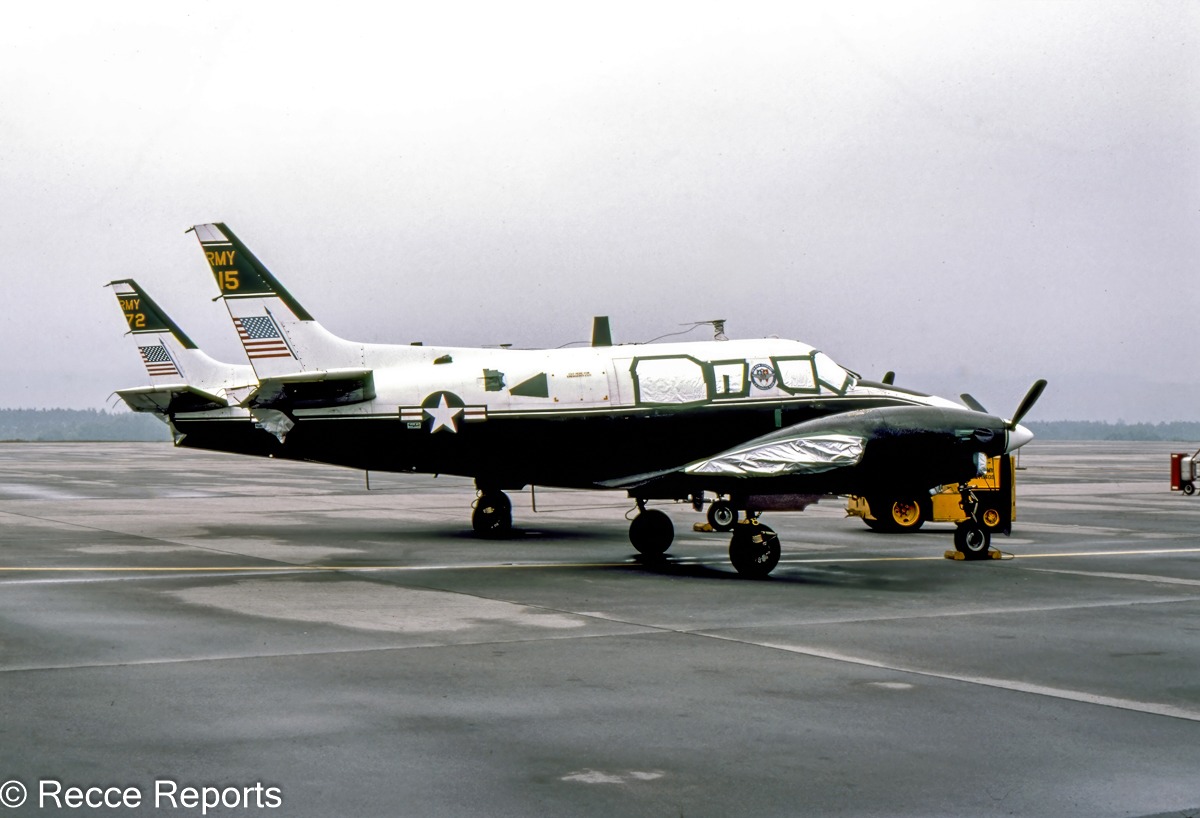
However, Ramstein offered much more than just transport aircraft. We were also able to photograph locally based F-4 Phantom IIs of the 86th TFW, providing a welcome contrast to the large airlifters operating from the base. Several visiting aircraft from other USAF and NATO units added even more variety to the day’s photography.
For two teenage aviation enthusiasts, the visit was an extraordinary experience. The relatively relaxed security environment of the late 1970s made opportunities like this possible. Being able to walk around the flight line of one of NATO’s most important airbases, observe daily operations at close range and photograph both resident and visiting aircraft is something that would be almost unimaginable today.