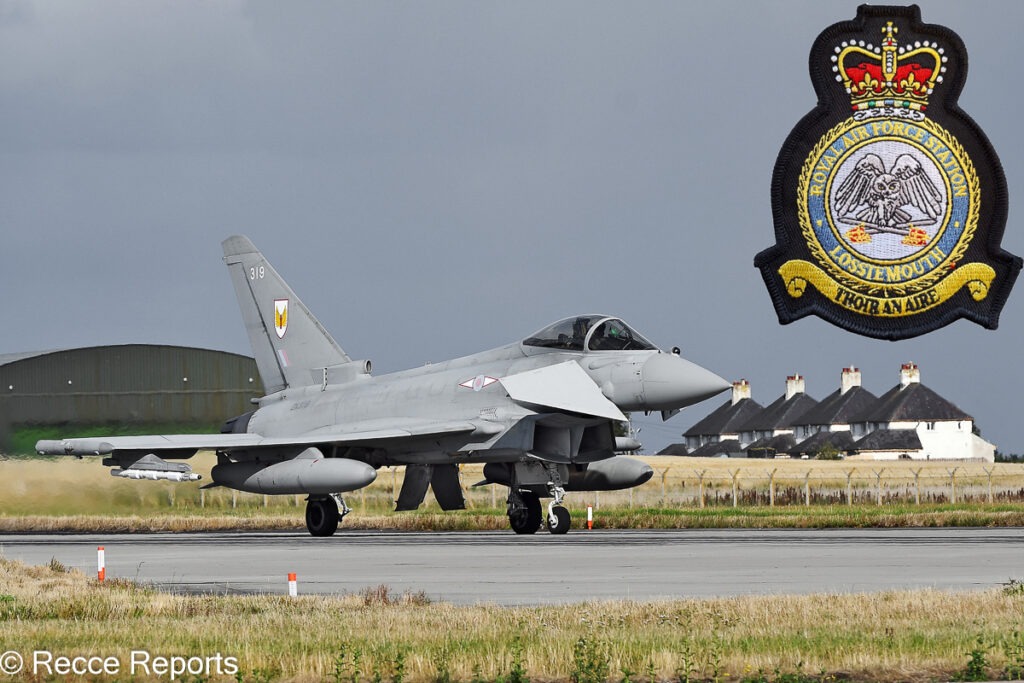
RAF Lossiemouth – Scotland’s Typhoon Stronghold
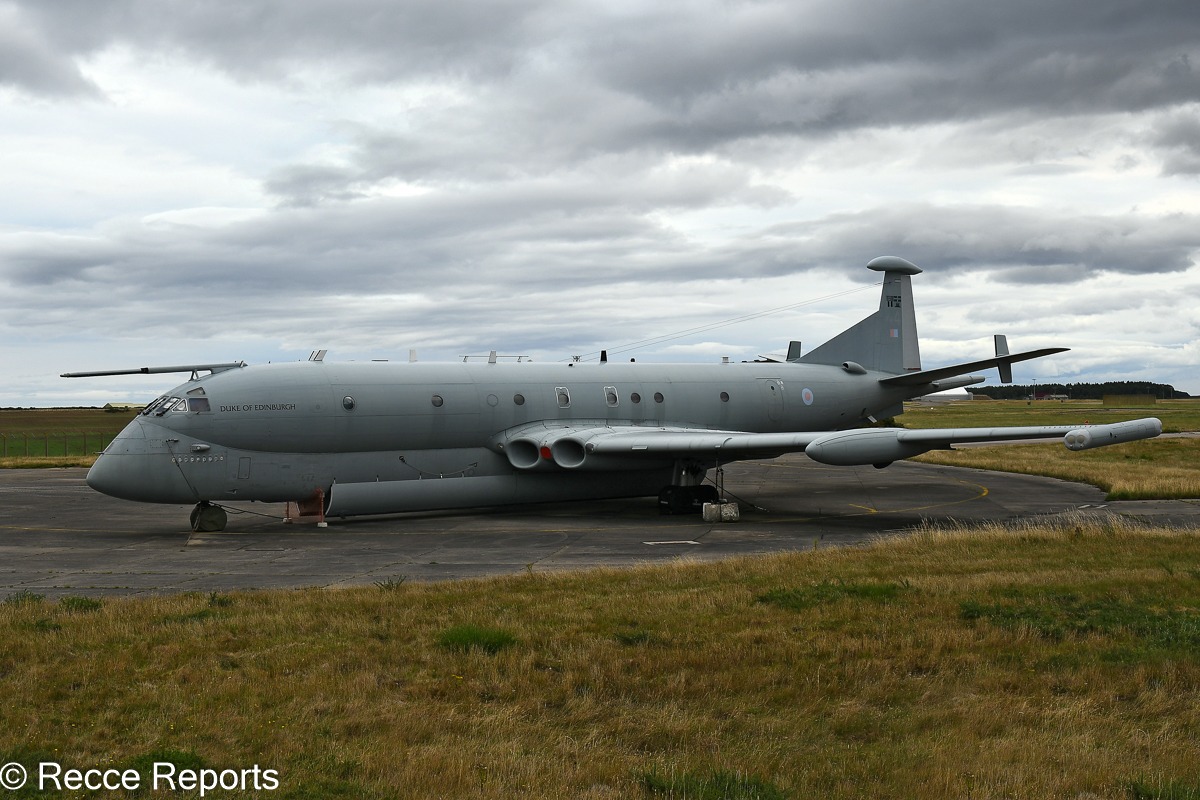
Located on the Moray Firth in northeast Scotland, RAF Lossiemouth has been one of the Royal Air Force’s most important fighter bases for decades. Opened in May 1939 as a flying training station, it quickly became a key operational base during the Second World War, supporting anti-shipping strikes over the North Sea and Norwegian waters. After the war the airfield served as Royal Naval Air Station HMS Fulmar until returning to RAF control in 1972. Over the following decades it was home to aircraft such as the Buccaneer, Jaguar, Shackleton and Tornado, before becoming the RAF’s northern Typhoon base.
RAF Lossiemouth in 2018
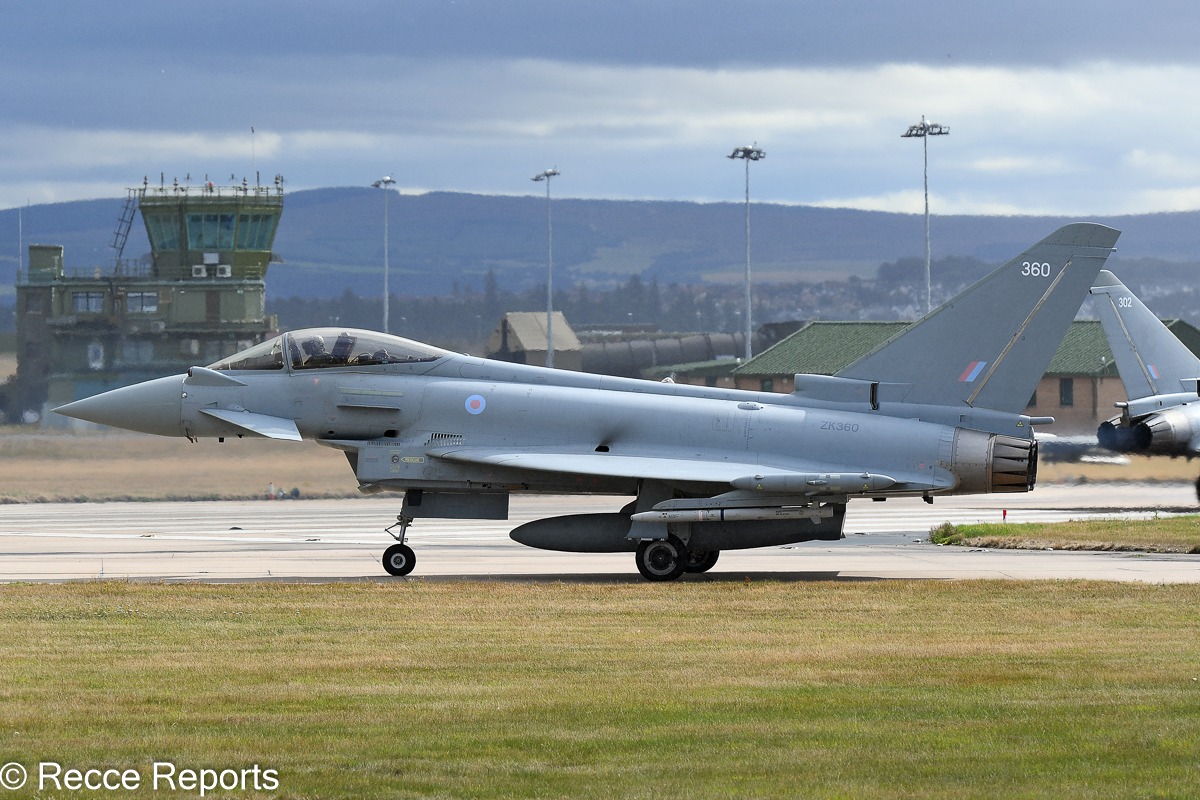
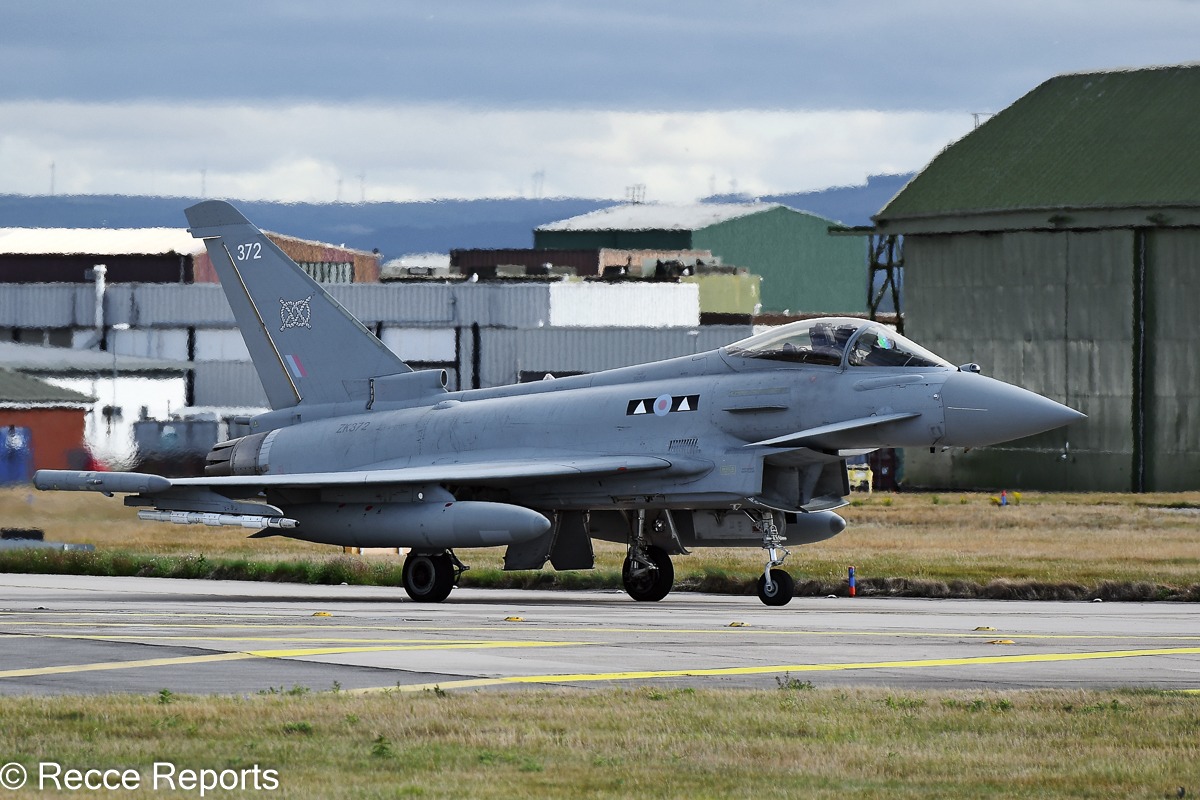
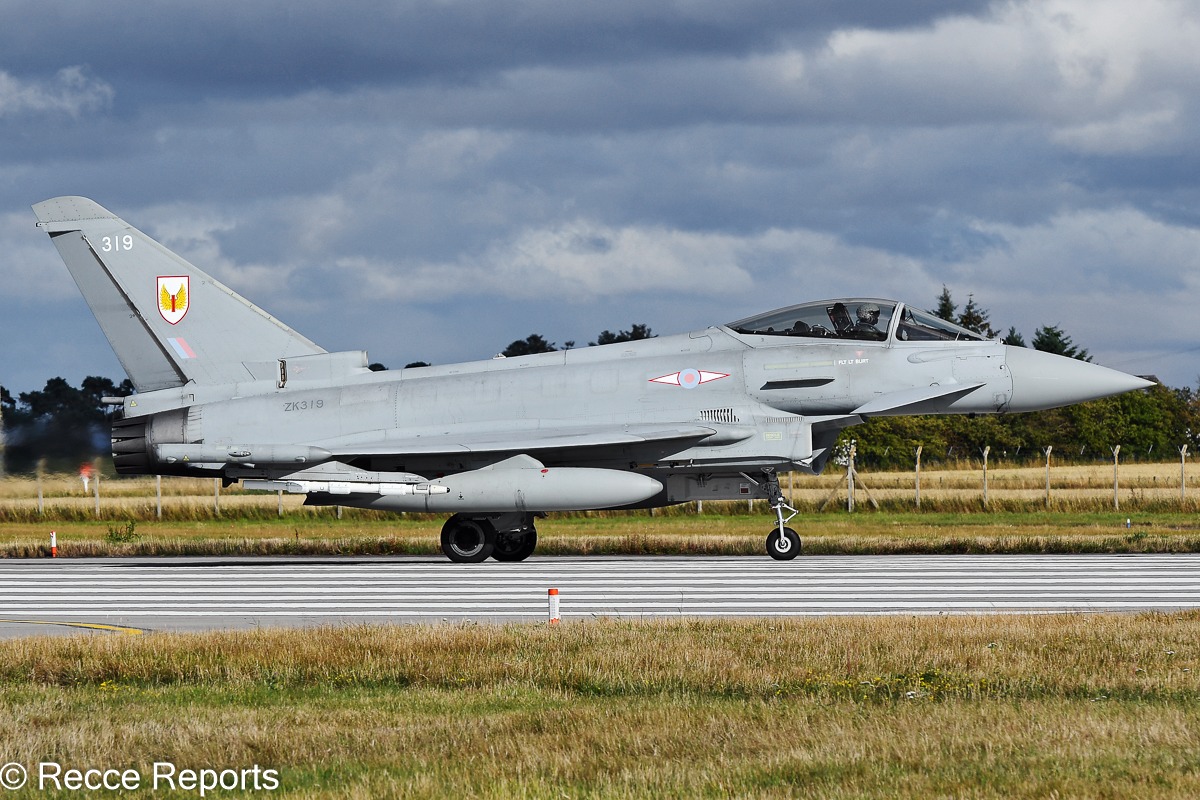
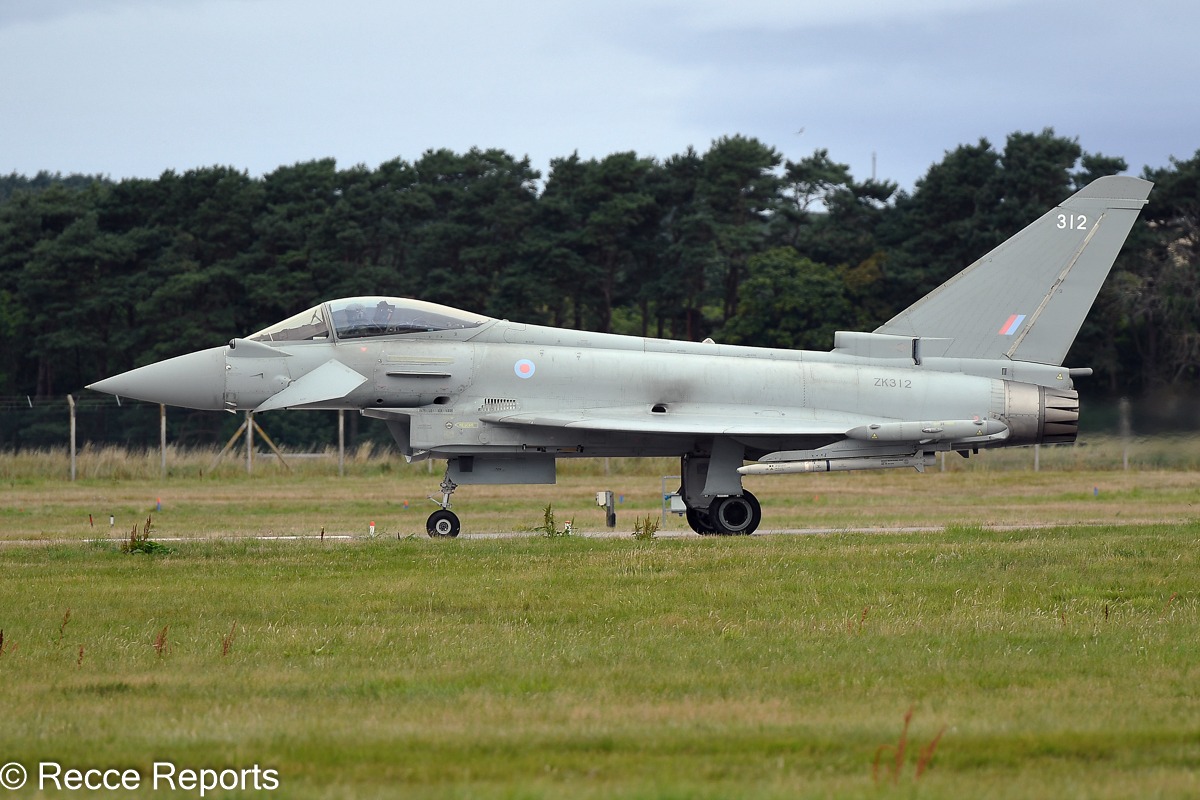
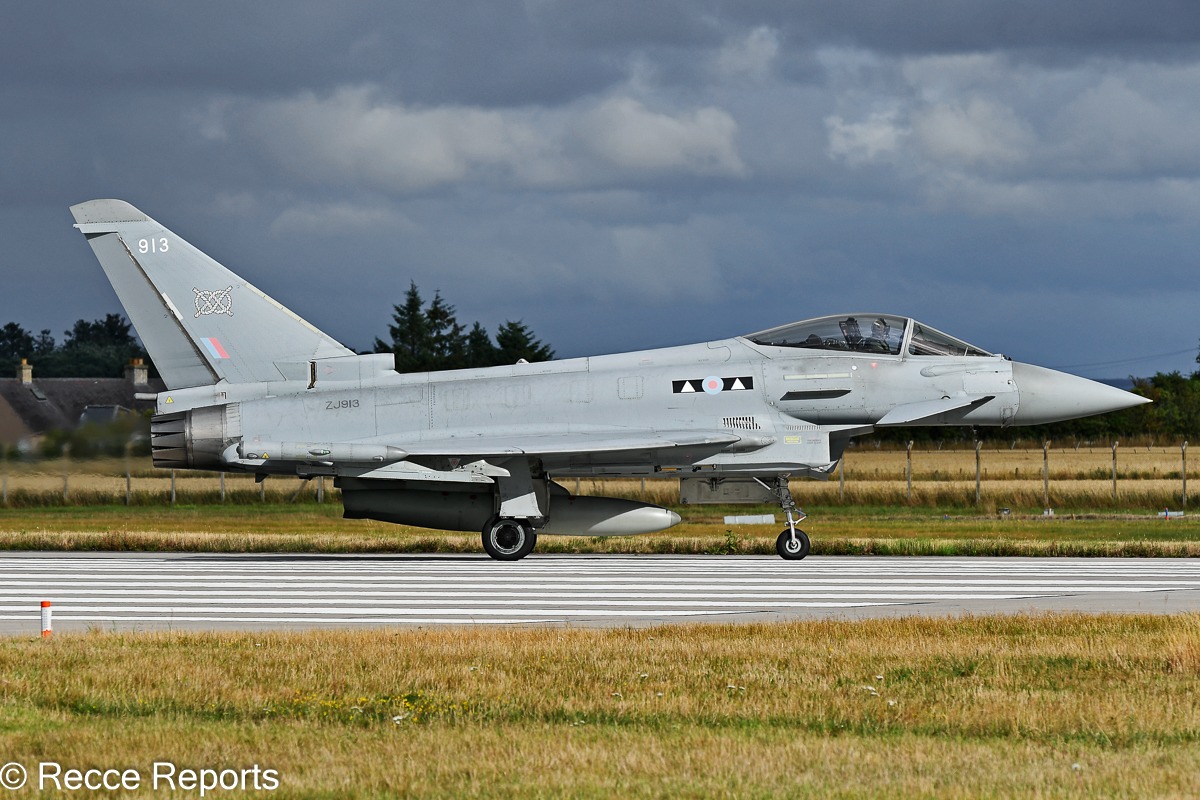
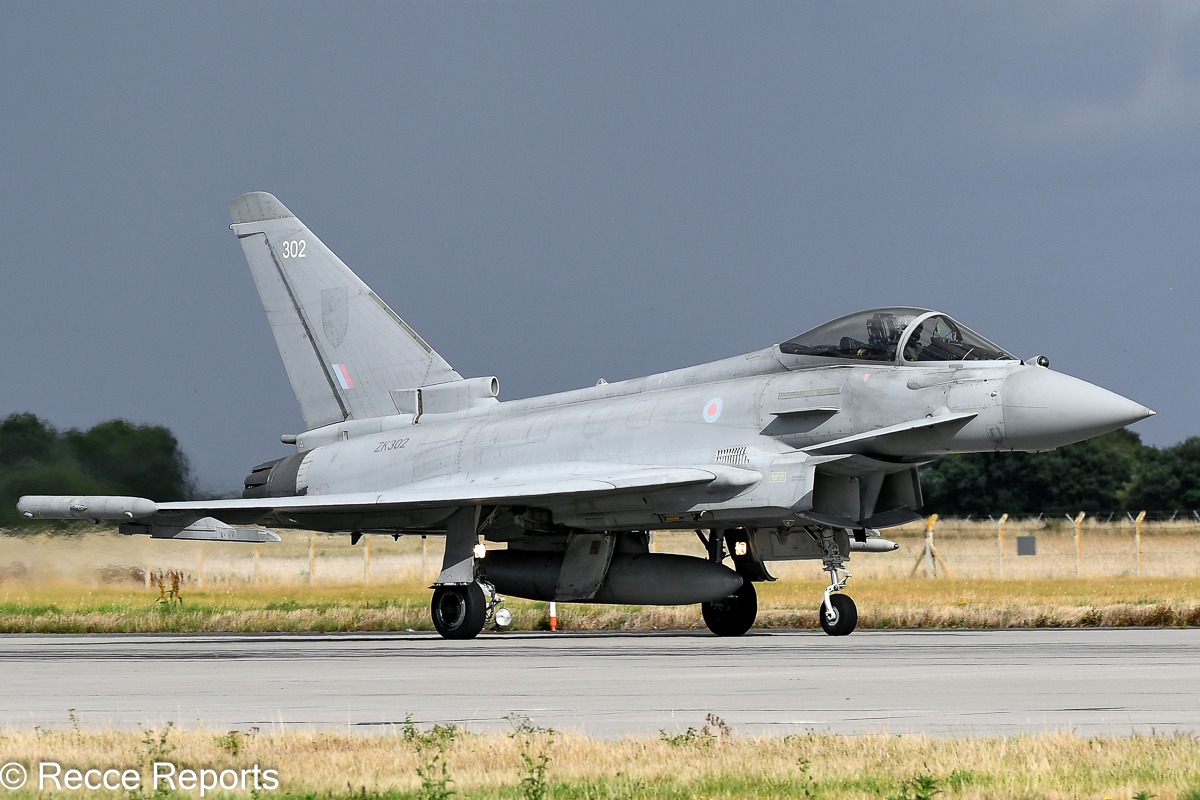
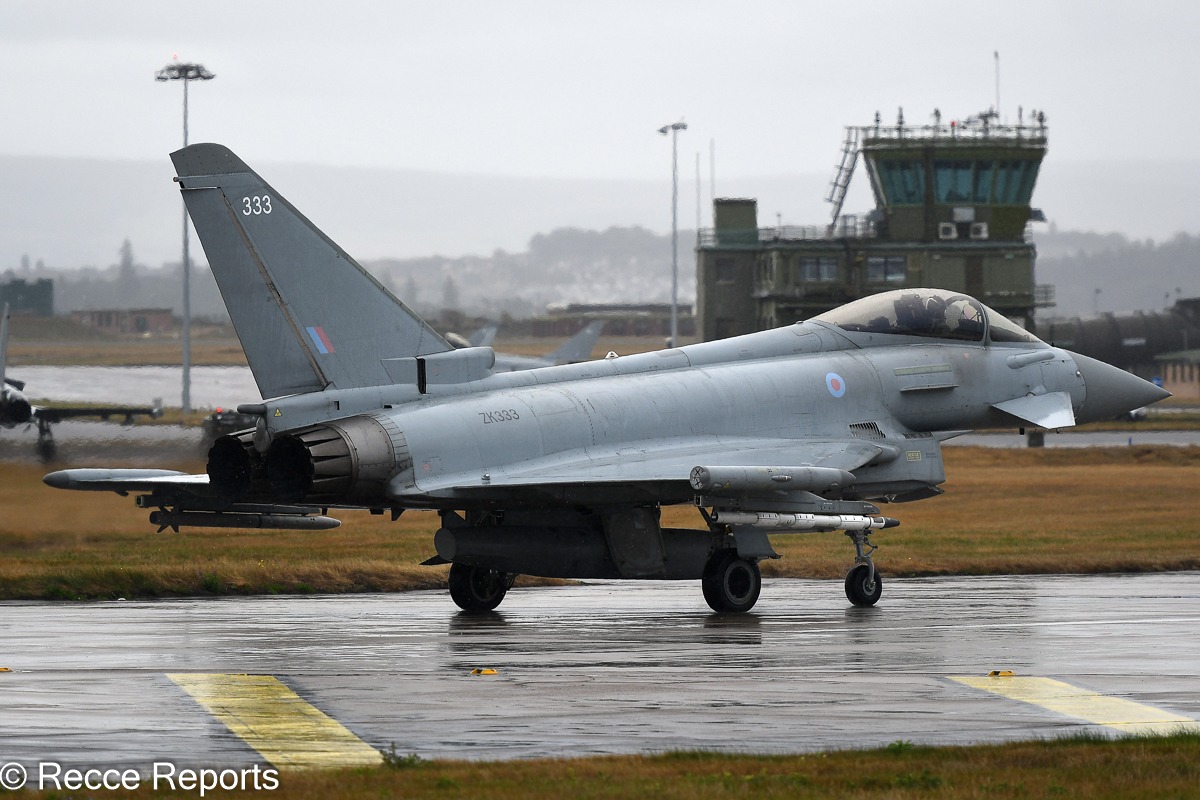
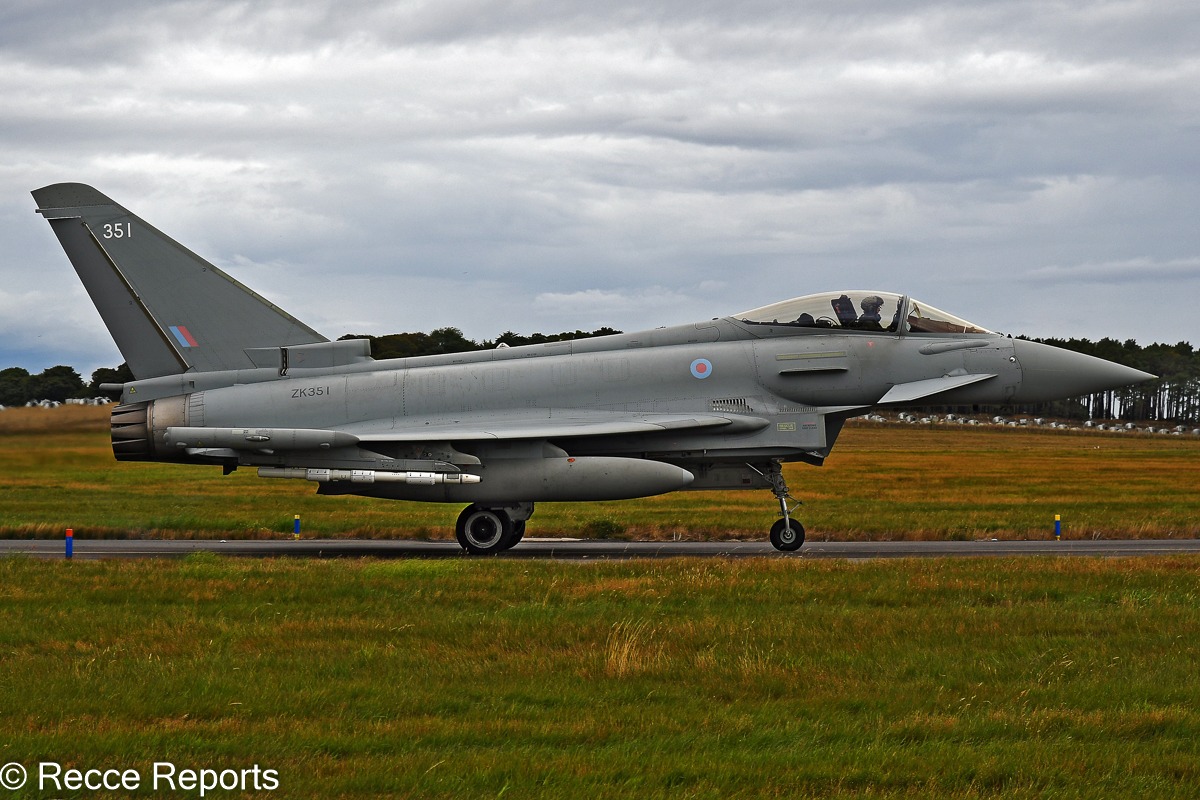
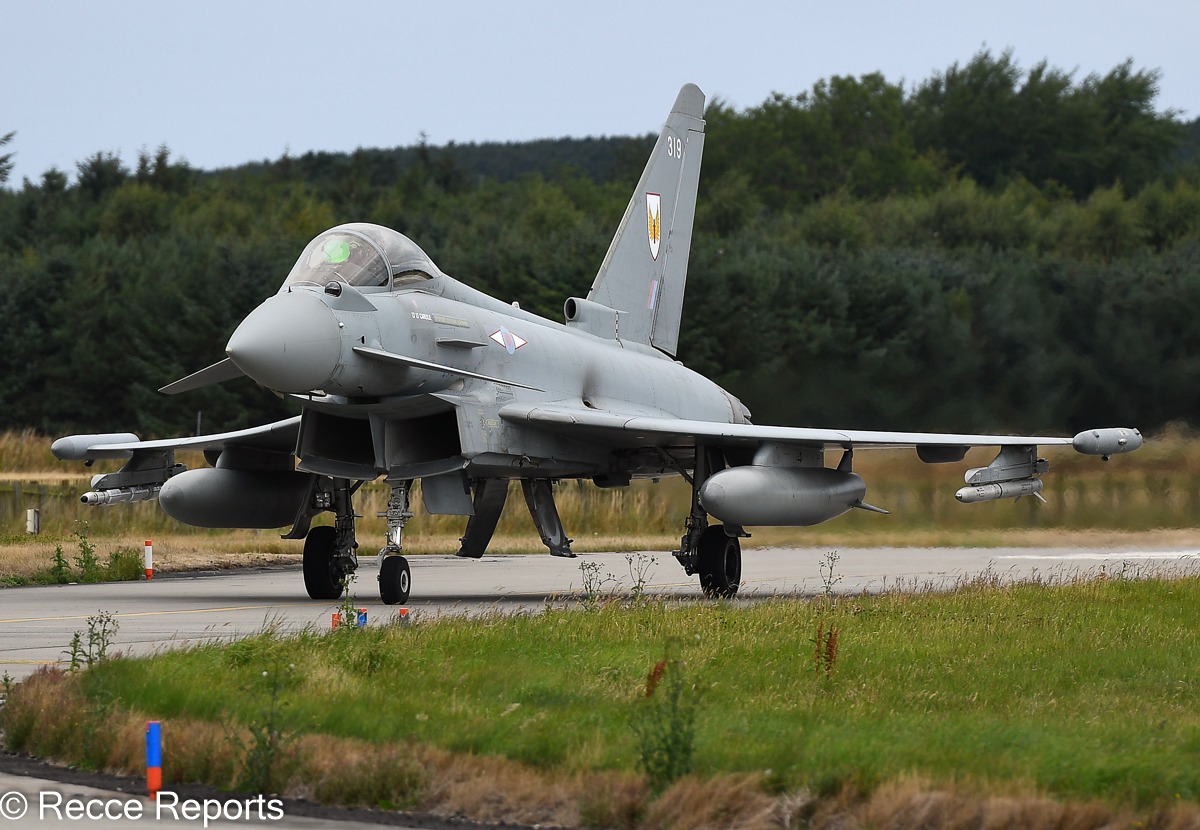
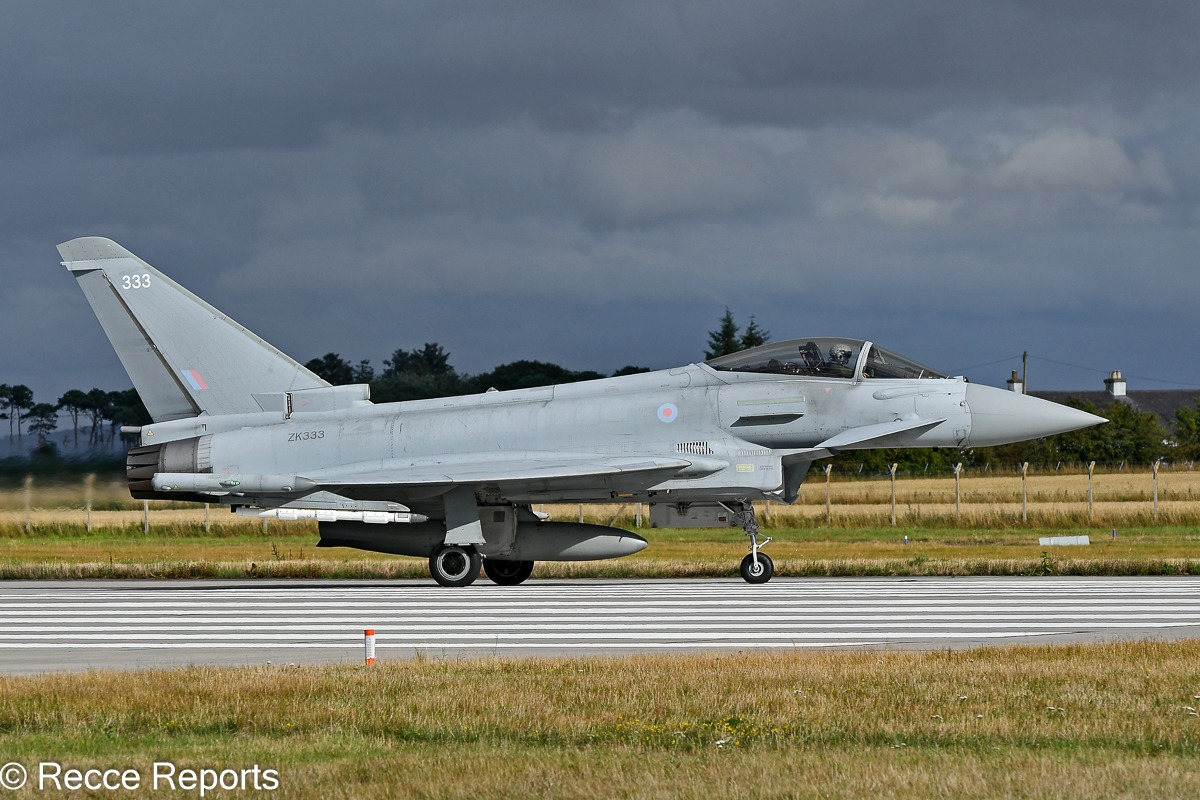
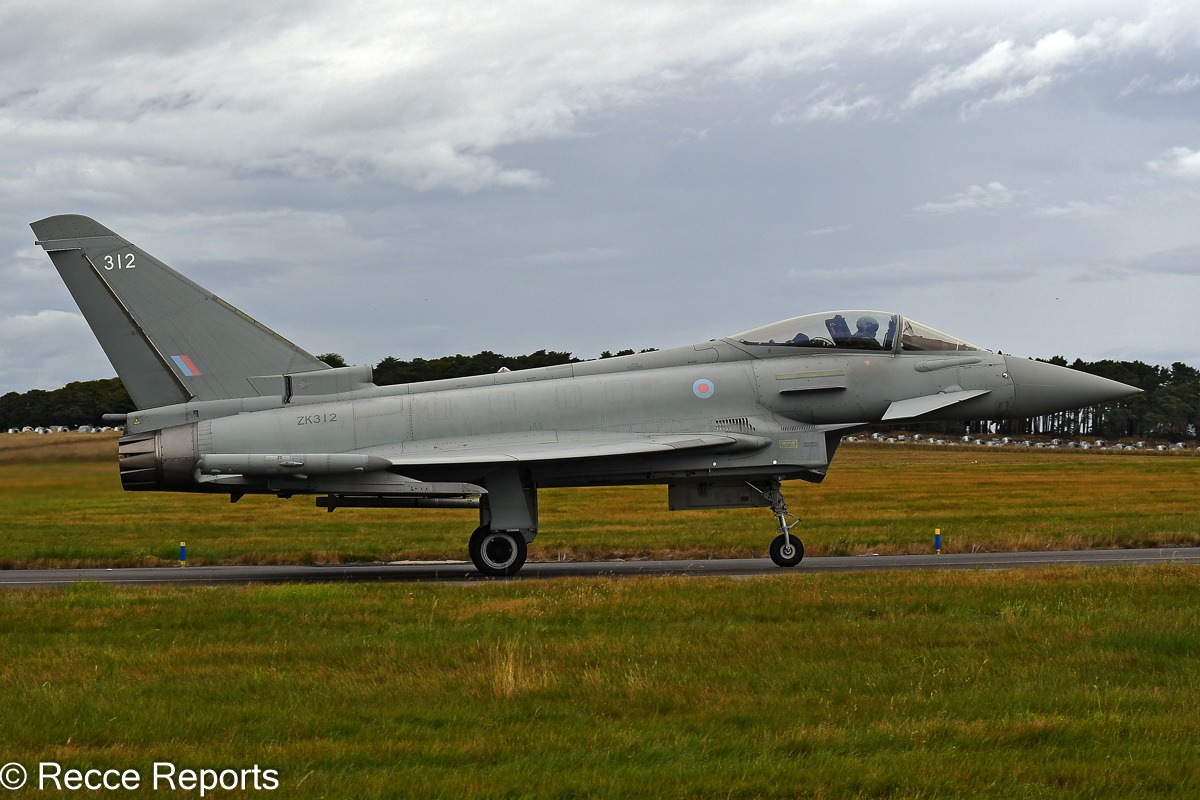
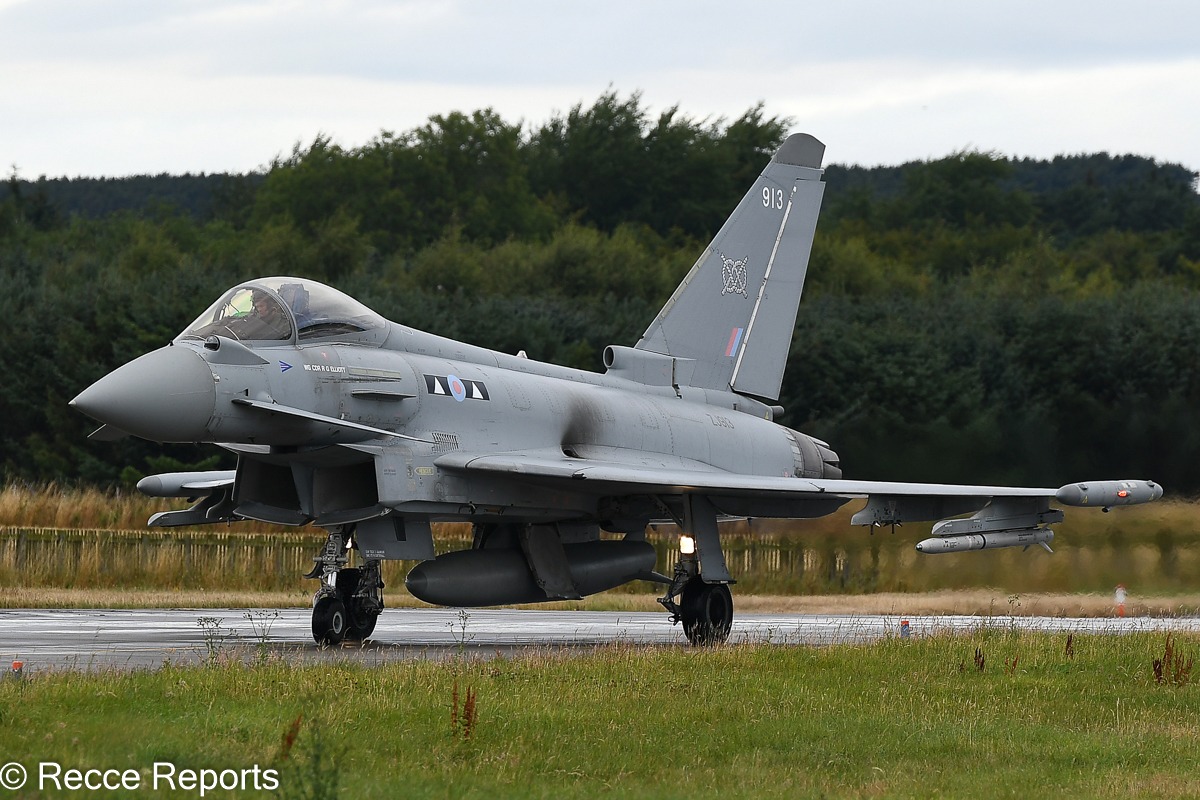
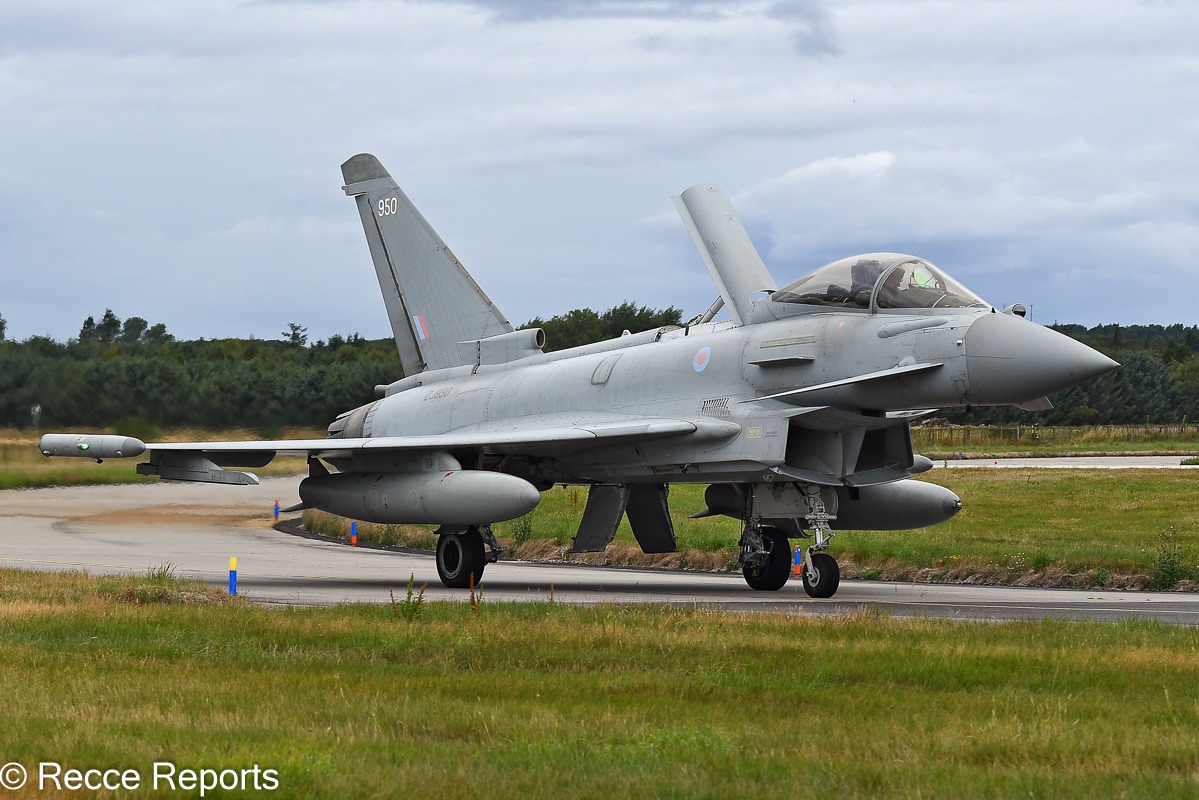
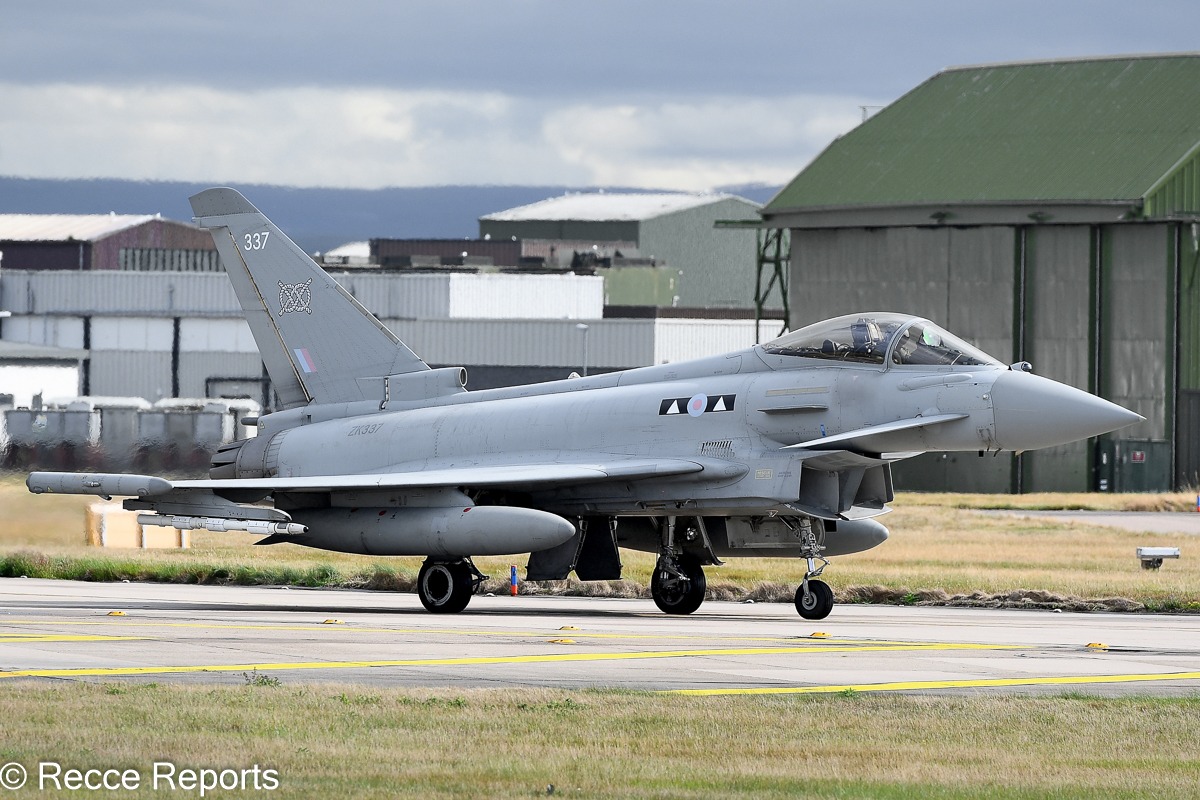
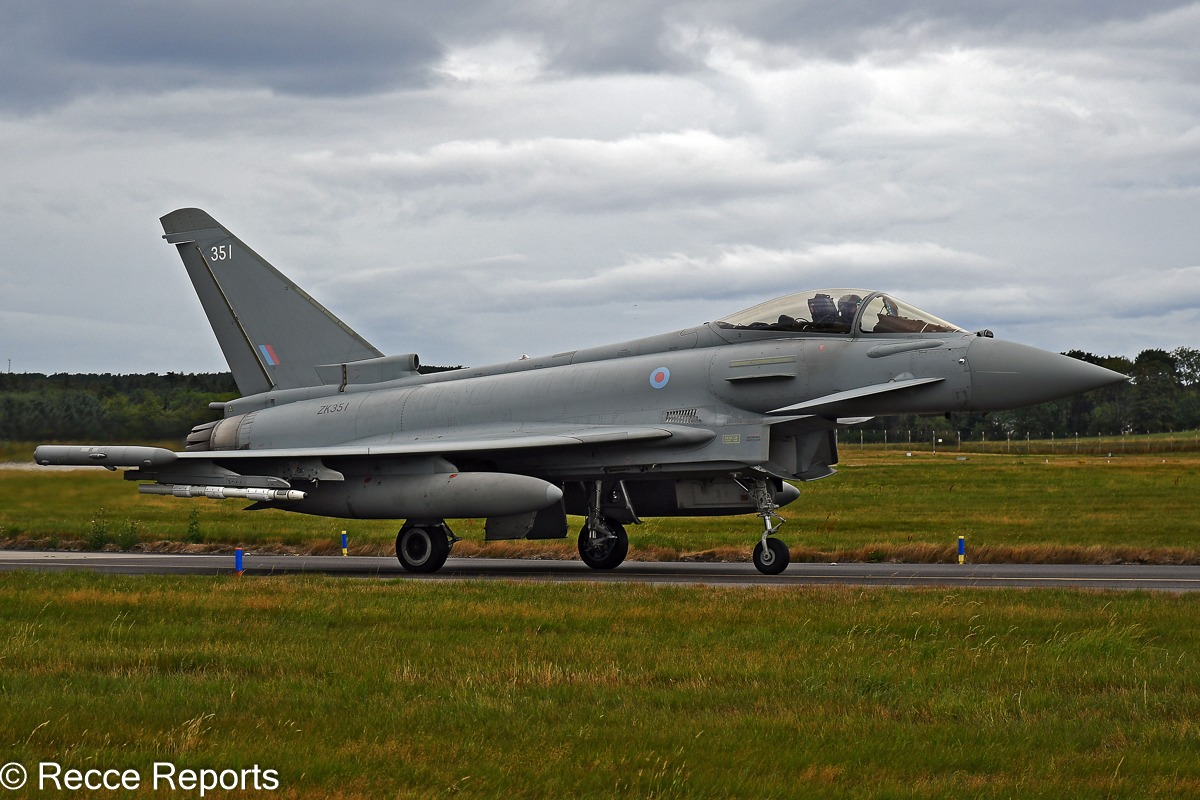
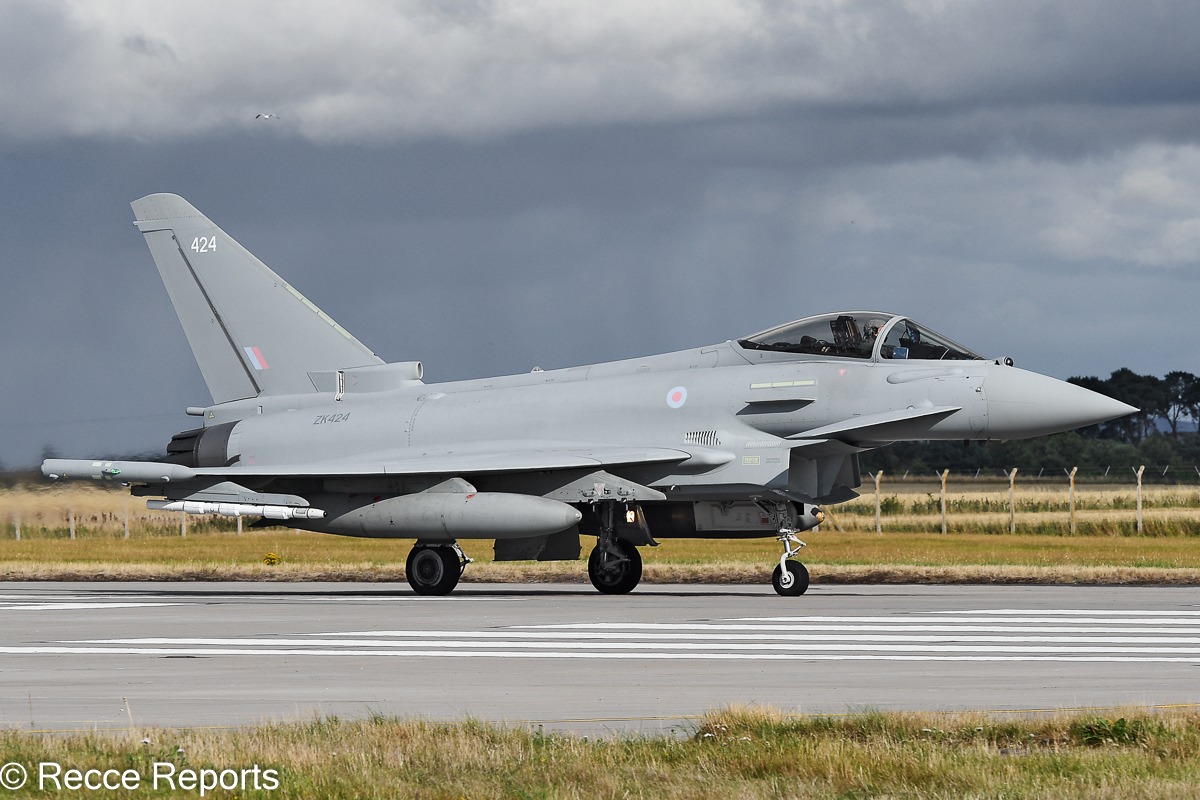
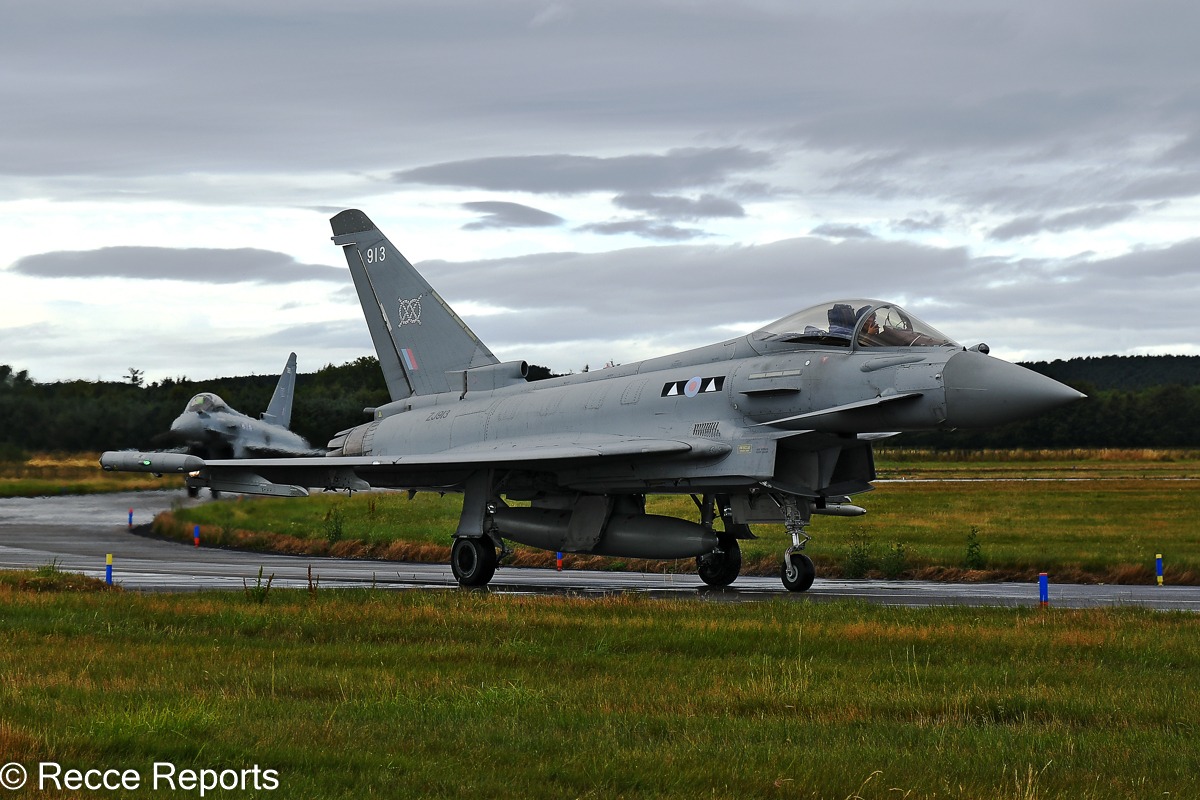
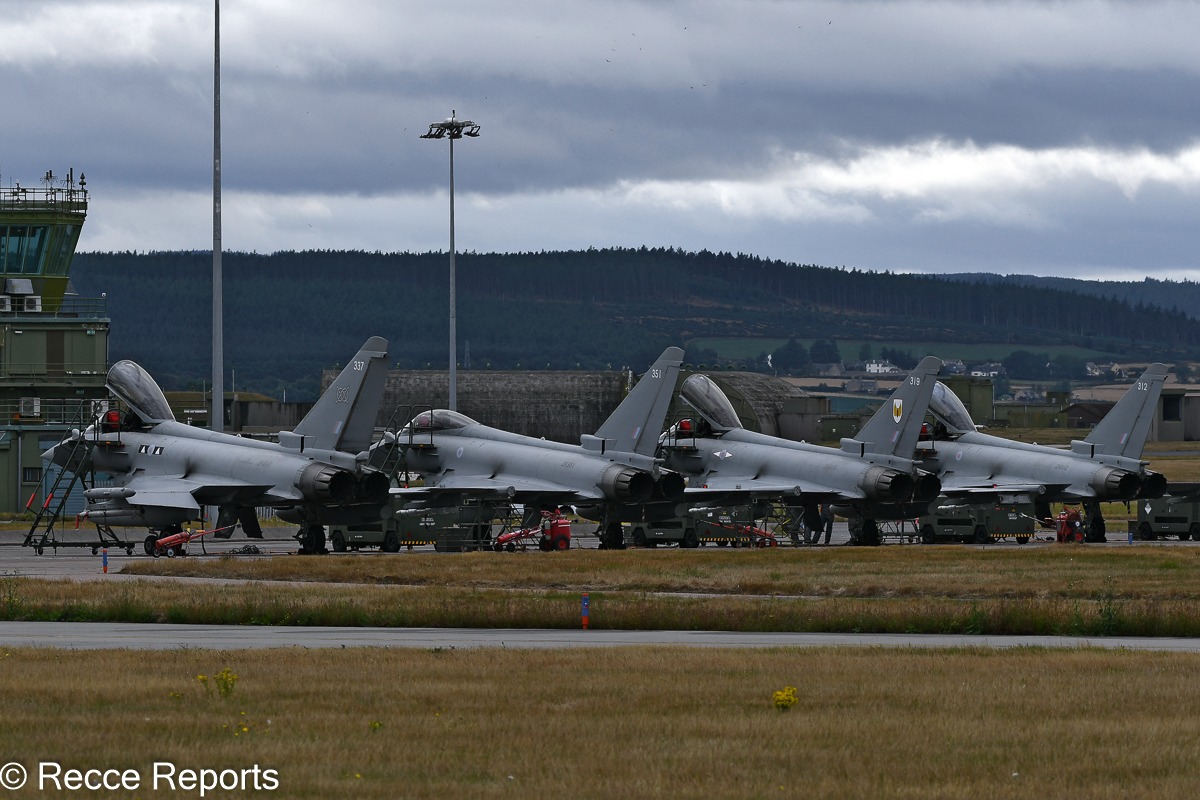
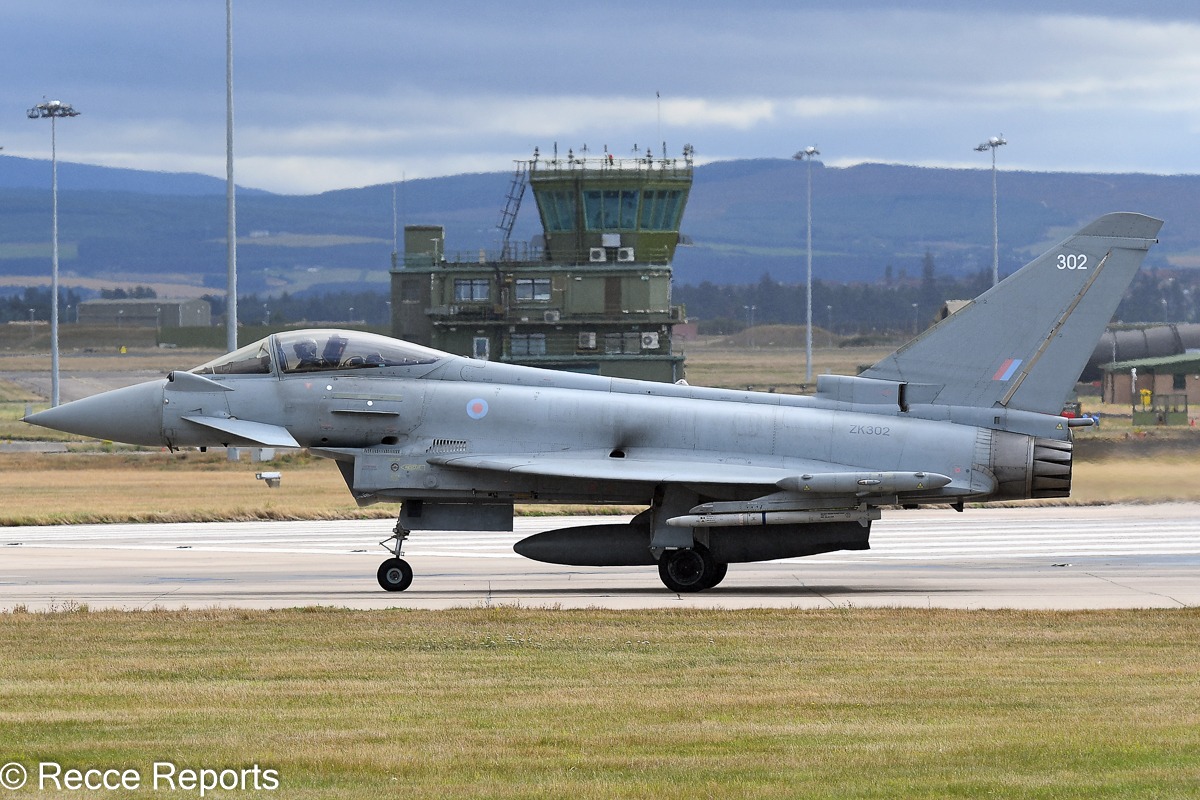
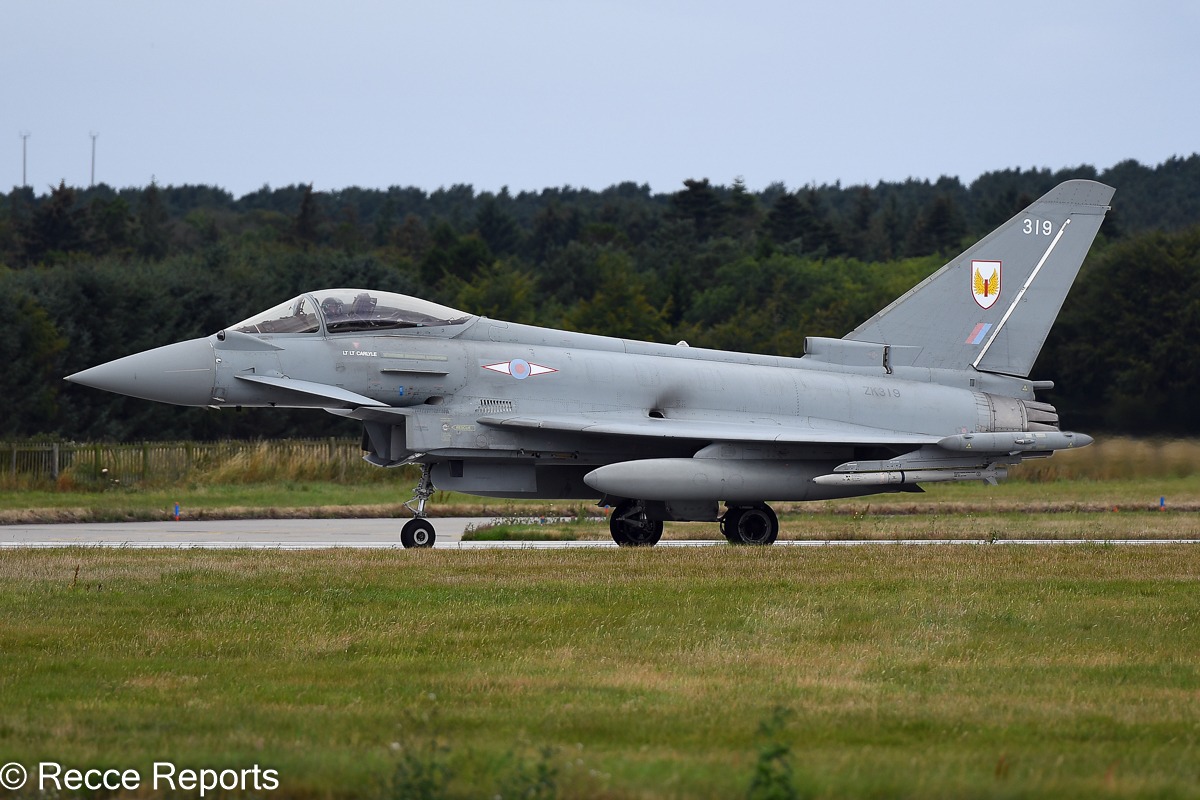
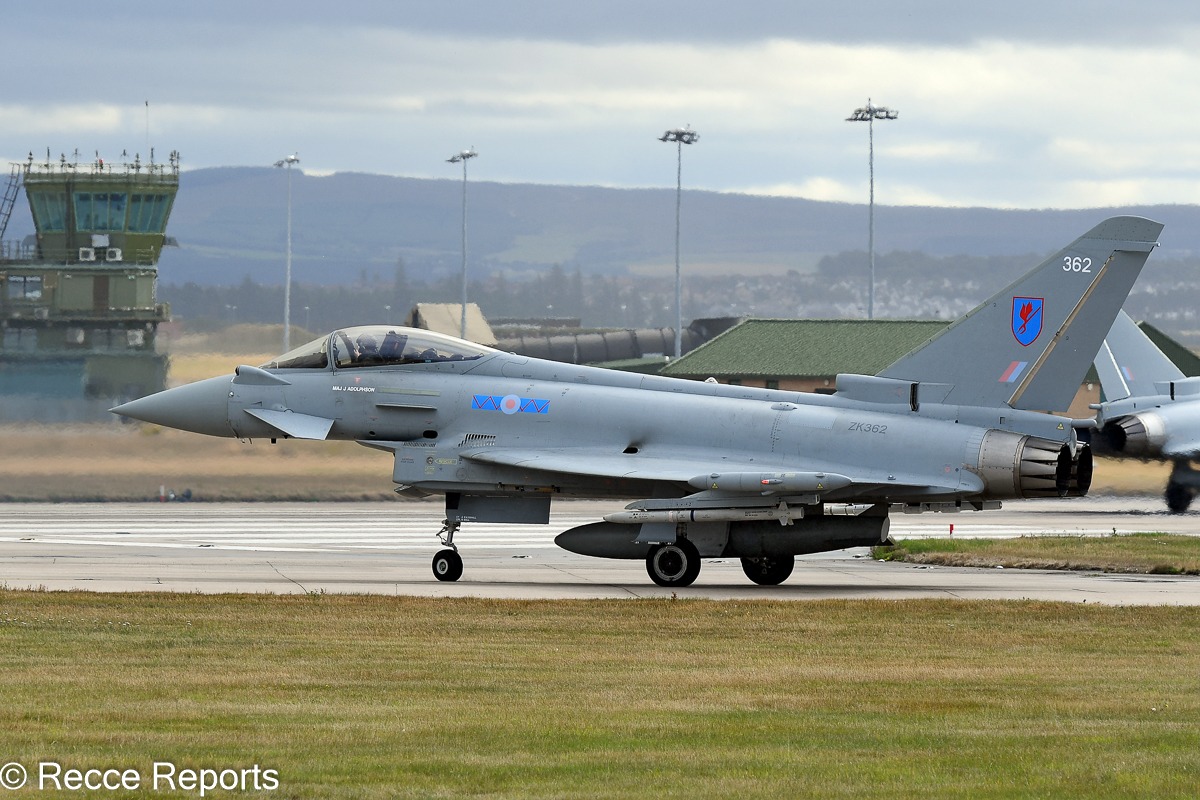
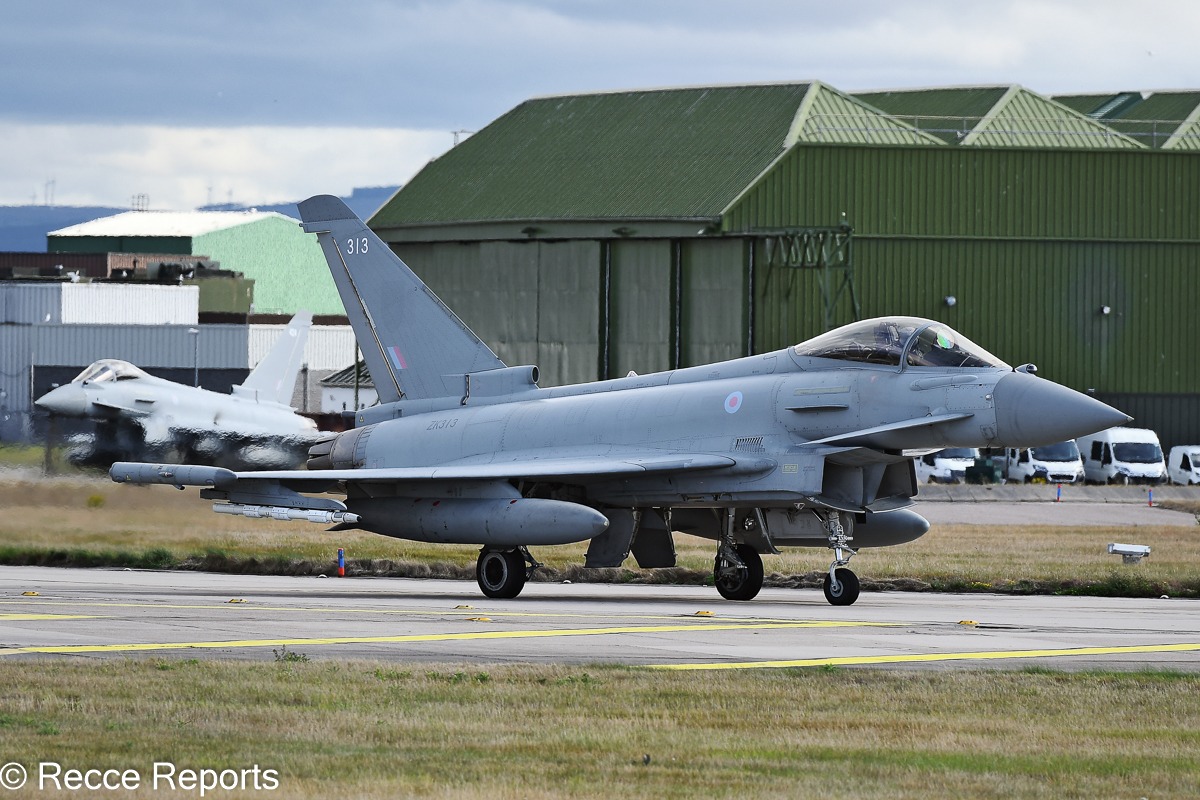
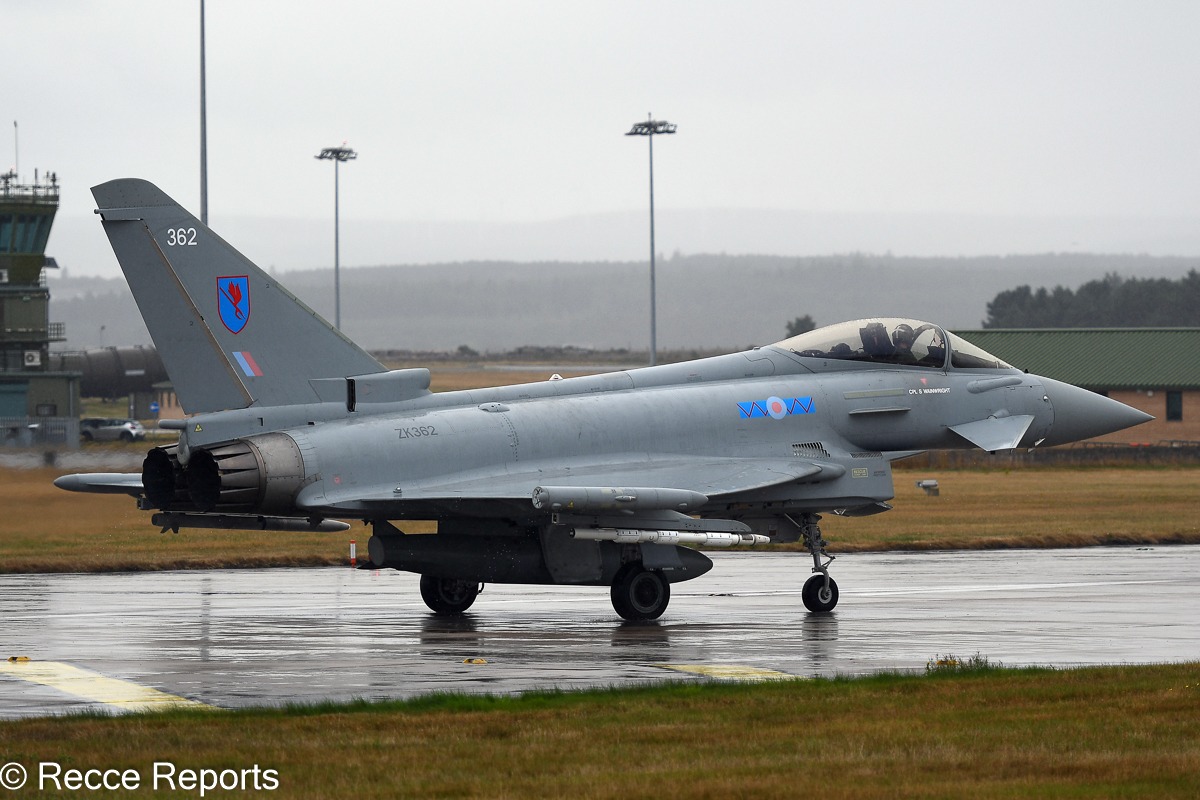
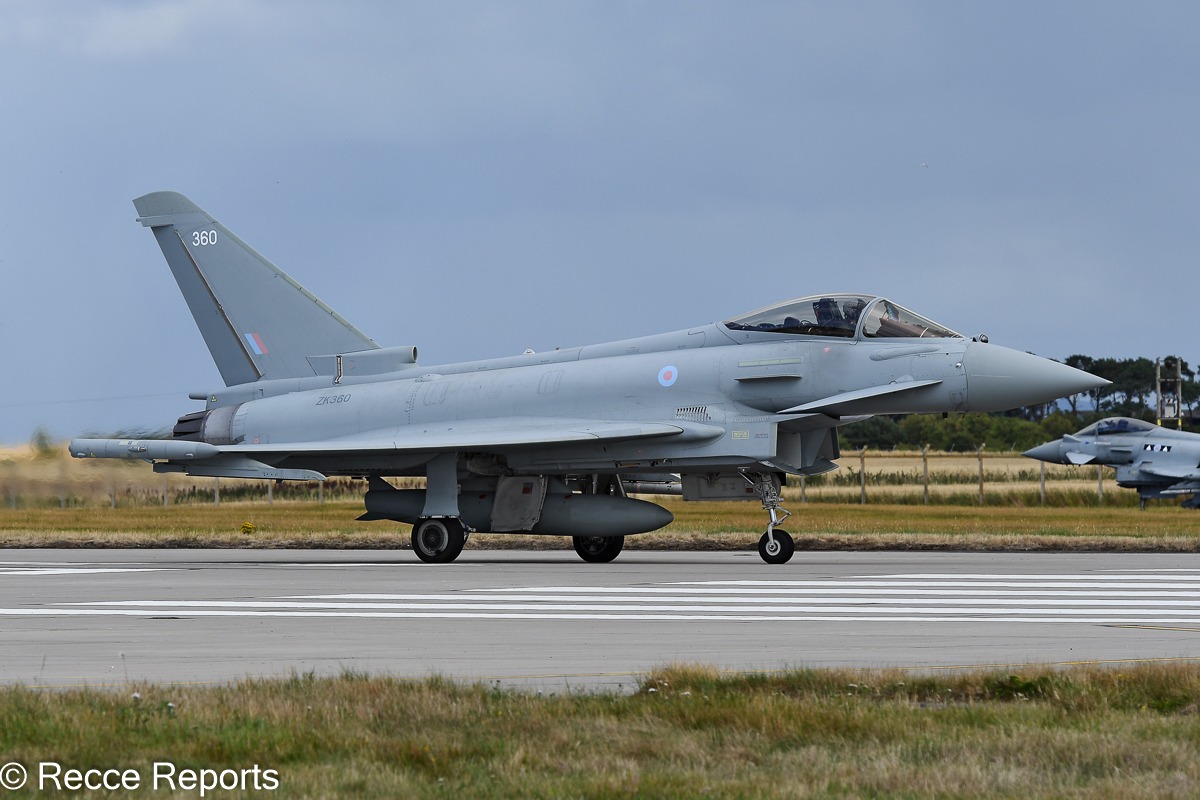
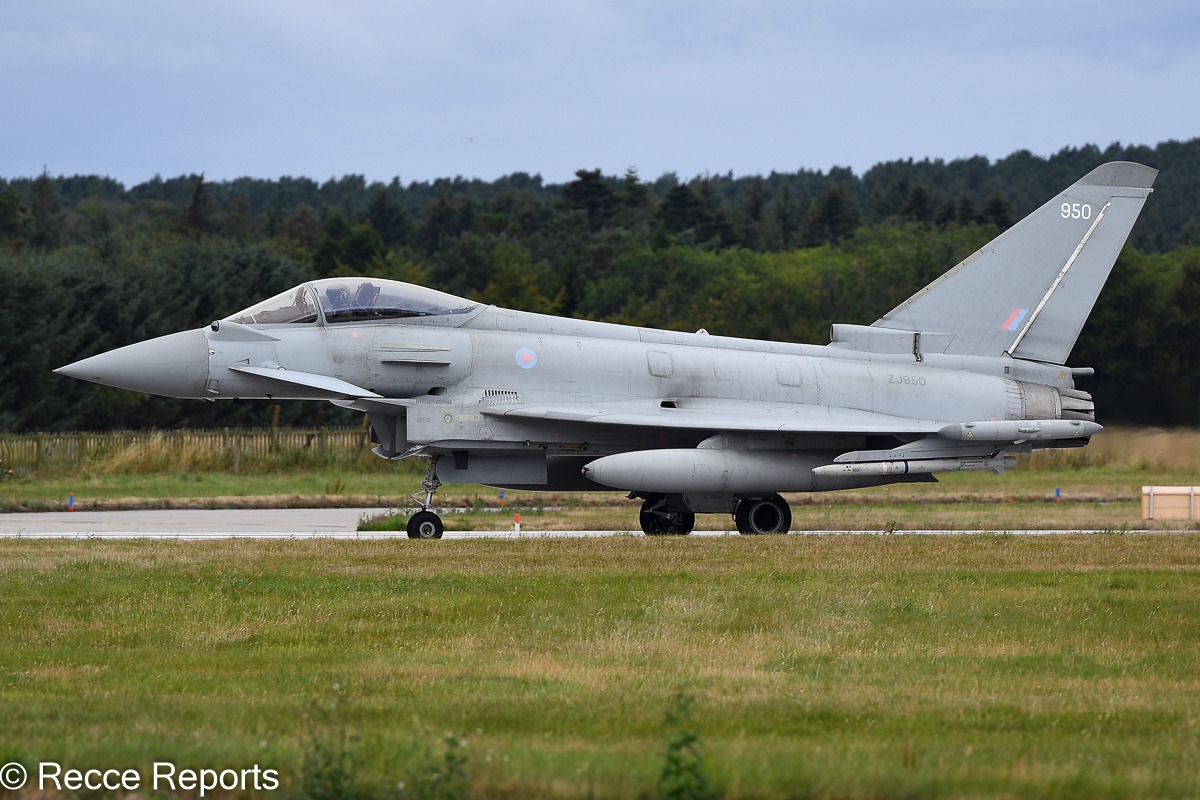
In August 2018, RAF Lossiemouth was one of the busiest operational fighter stations in the United Kingdom. The base hosted No. 1 (Fighter), No. 2 (Army Cooperation) and No. 6 Squadrons, all flying the Eurofighter Typhoon FGR4. These units maintained the northern Quick Reaction Alert (QRA) mission, standing ready around the clock to intercept unidentified aircraft approaching UK airspace. Typhoons from Lossiemouth also deployed to Romania and Iceland as part of NATO Air Policing missions.
Maritime Patrol
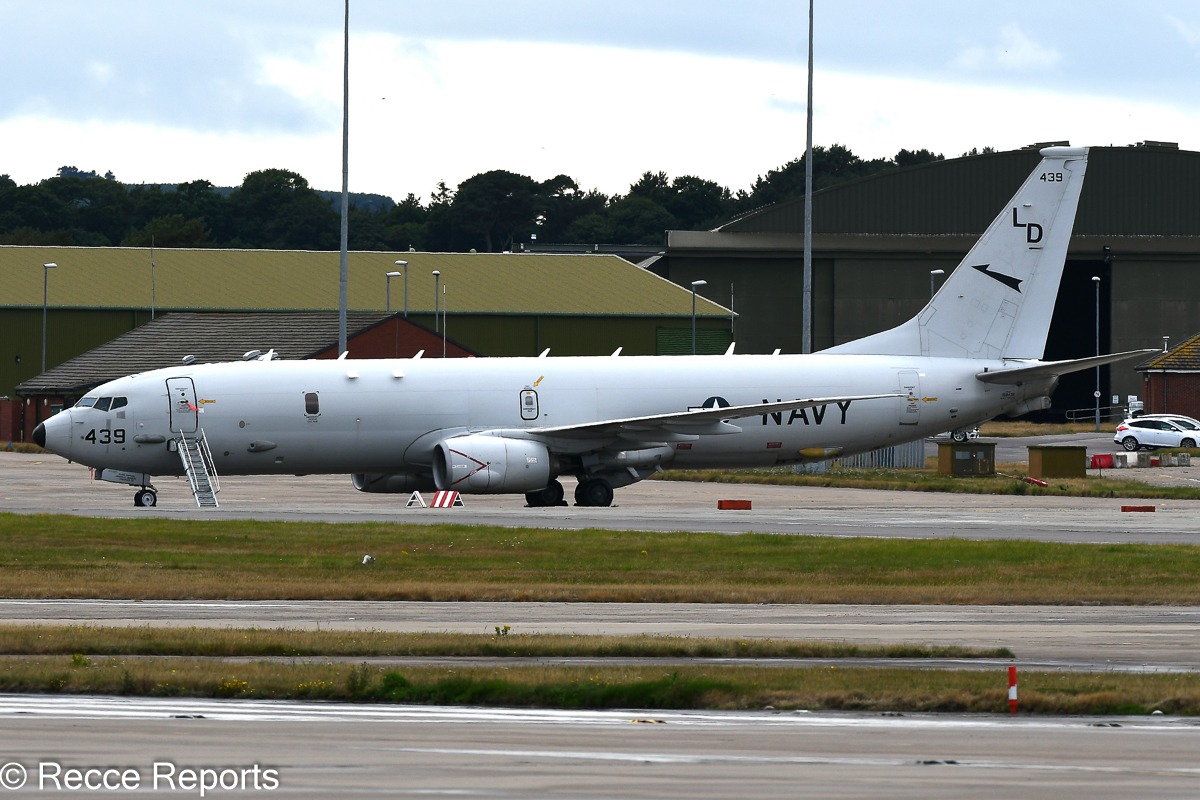
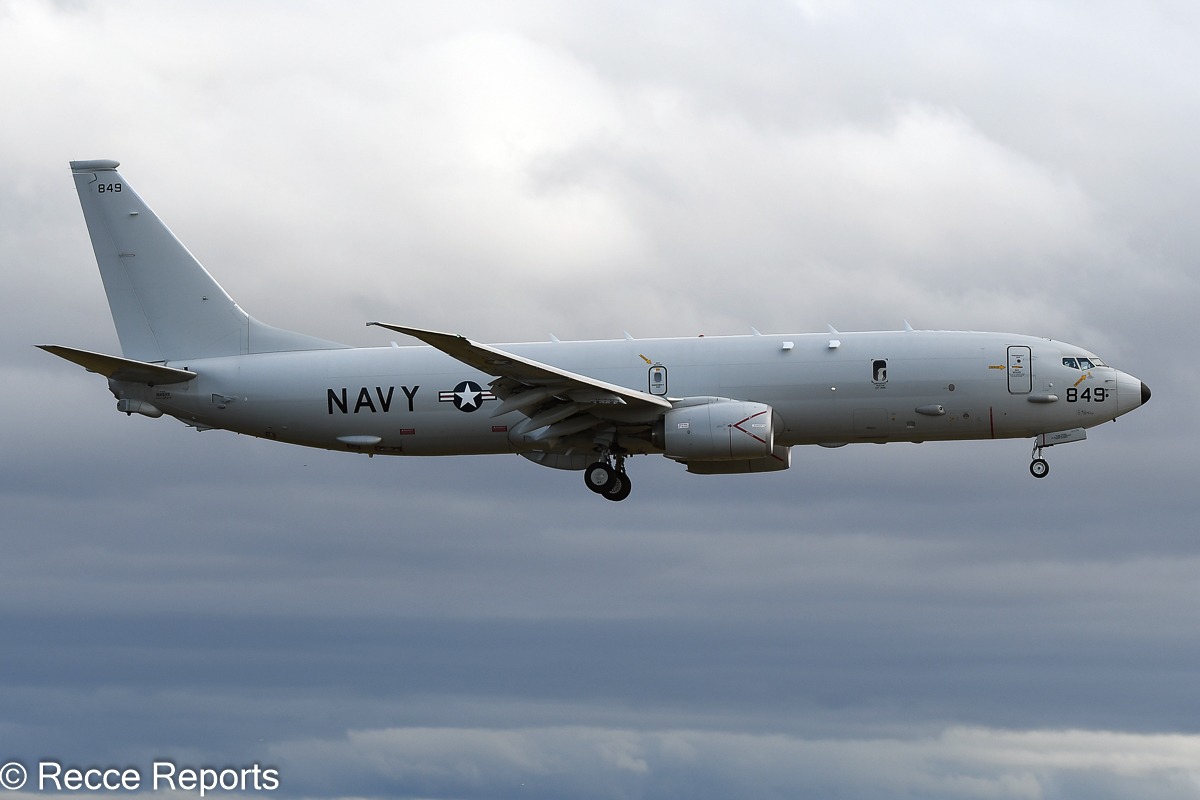
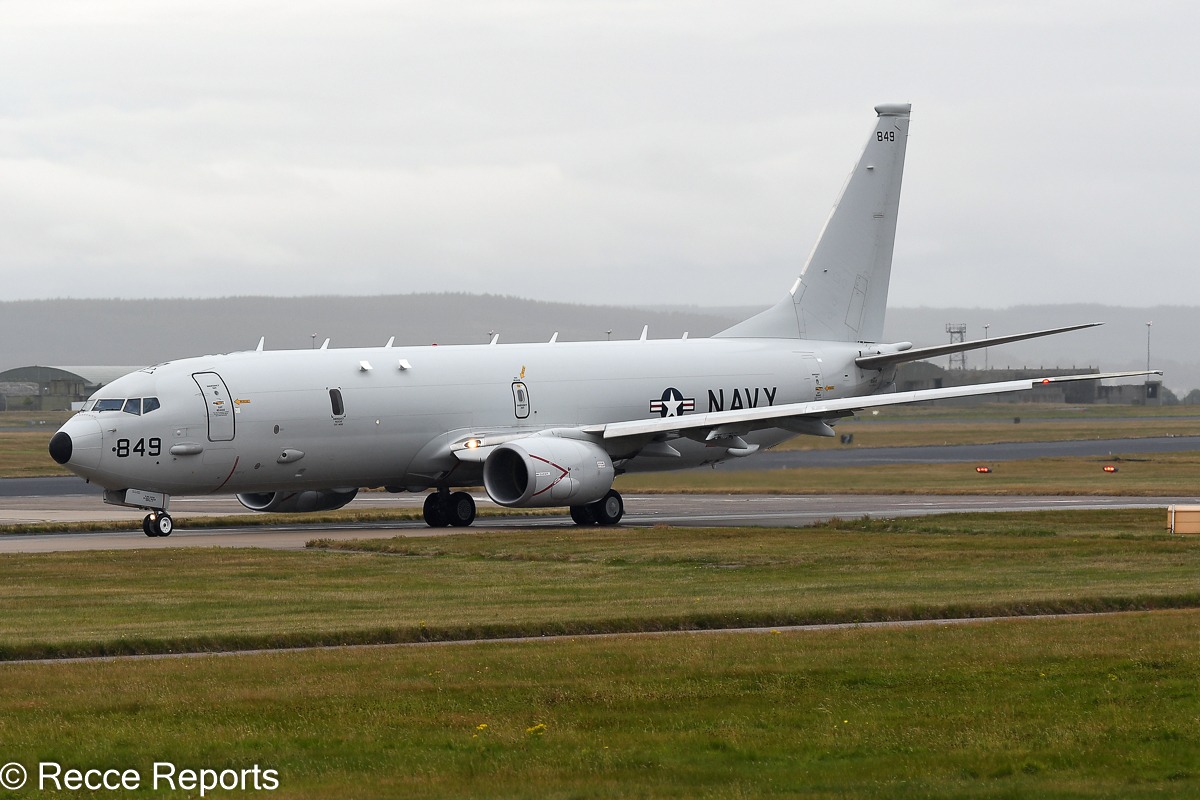
Although the RAF had not yet received its own Boeing Poseidon MRA1 maritime patrol aircraft, RAF Lossiemouth was already preparing for their arrival through major infrastructure upgrades. During 2018, the station regularly hosted U.S. Navy P-8A Poseidon detachments, conducting anti-submarine warfare and maritime surveillance missions over the North Atlantic. These deployments also provided valuable training opportunities for RAF crews participating in Project Seedcorn, a programme in which British personnel were embedded with the U.S. Navy to regain maritime patrol expertise ahead of the introduction of the UK’s own Poseidon fleet.