USAF Weapons School Integration (WSINT) Class 11-A
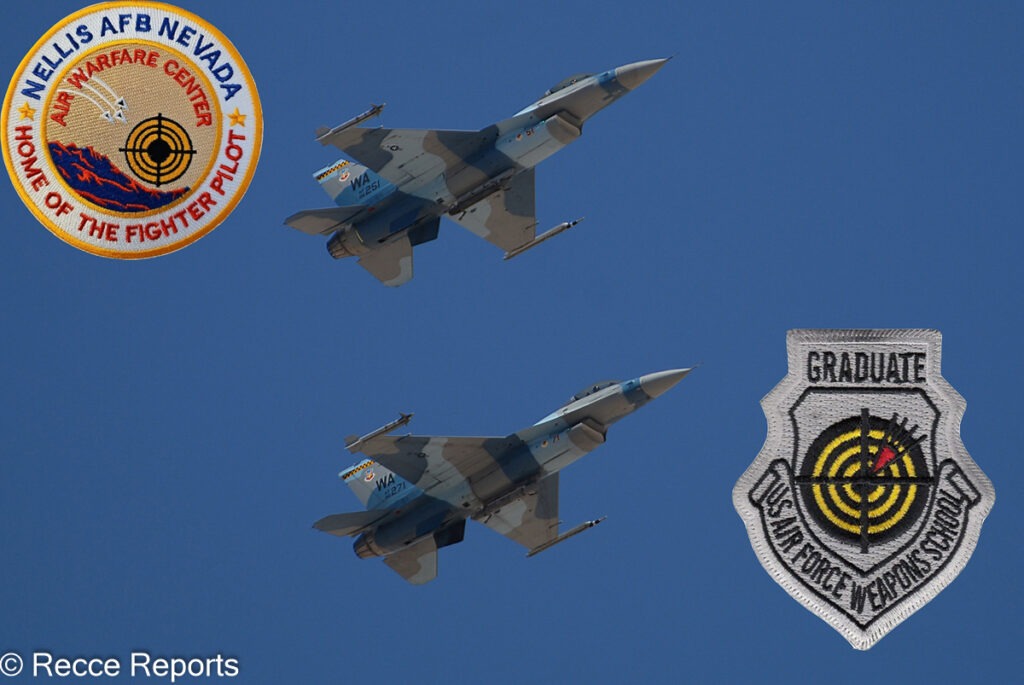
Twice each year, the Nevada desert becomes the stage for one of the most demanding advanced air combat exercises in the world. During Weapons School Integration (WSINT), the graduates of the U.S. Air Force Weapons School bring together months of intensive training in a realistic, large-force combat scenario over the vast Nevada Test and Training Range.
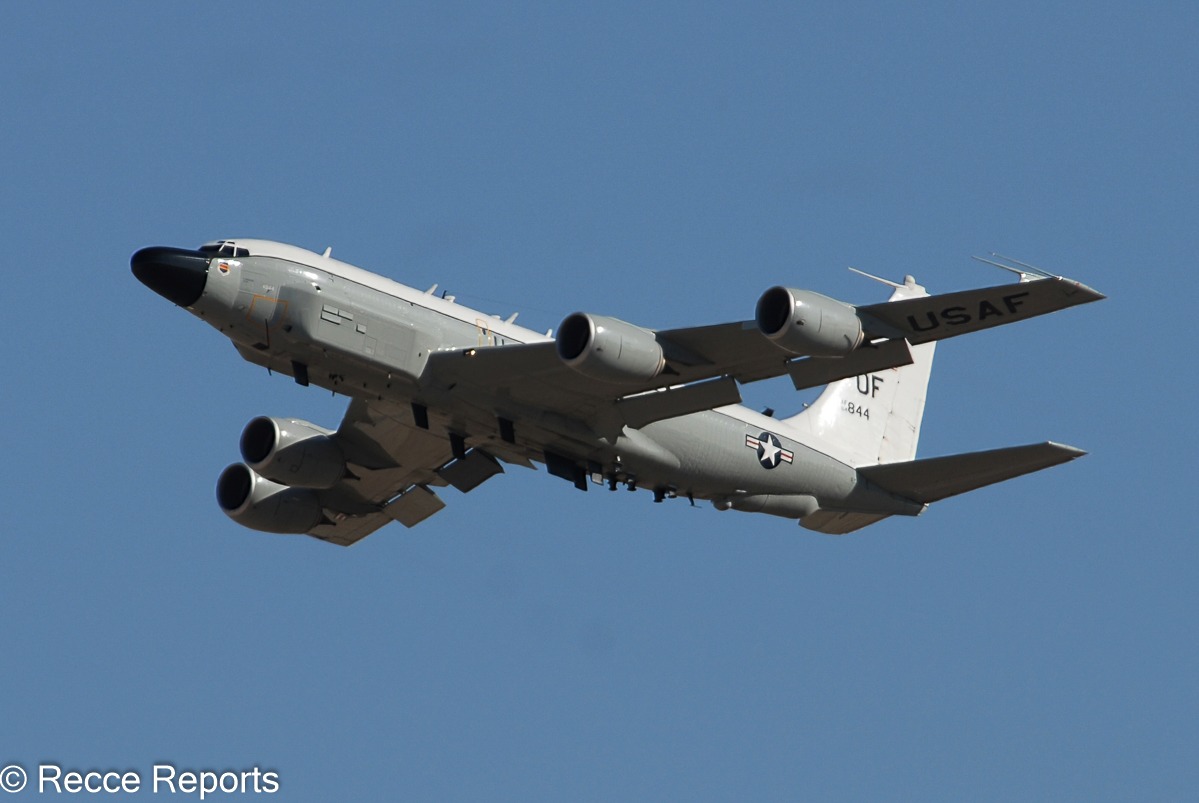
The objective of WSINT is straightforward but exceptionally challenging: integrate experts from every warfare discipline into a single combat team. Fighter aircraft, bombers, intelligence platforms, airborne command and control, electronic warfare assets, rescue helicopters, and remotely piloted aircraft all worked together to execute complex missions against a highly capable simulated adversary.
Unlike a traditional exercise, WSINT serves as the graduation event for Weapons School students. Every mission is carefully planned, briefed, executed, and debriefed in extraordinary detail. Success depends not only on flying skills, but also on leadership, tactical planning, communication, and the ability to integrate multiple airpower capabilities into a coherent combat operation.
USAF Weapons School Integration Class 11-A
The exercise was in its critical initial flight phase during our visit to Nellis Air Force Base from May 2–5, 2011. During this week the base was hosting advanced integration scenarios over the Nevada Test and Training Range. The exercise routinely launched twice a day in massive “Vulkan” blocks —typically an intense afternoon wave and a complex night-flying wave. Because WSINT operates as a internal elite school curriculum rather than a heavily publicized public exercise like Red Flag, its exact schedule is rarely advertised.
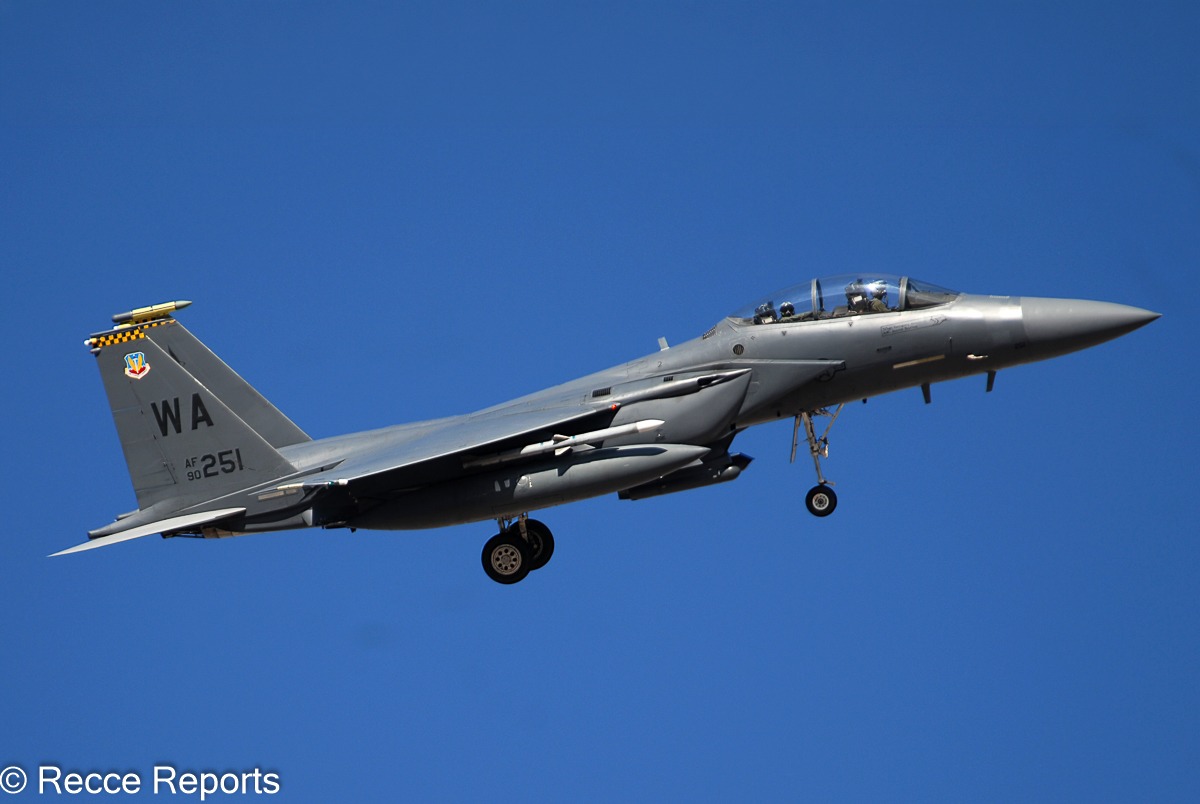
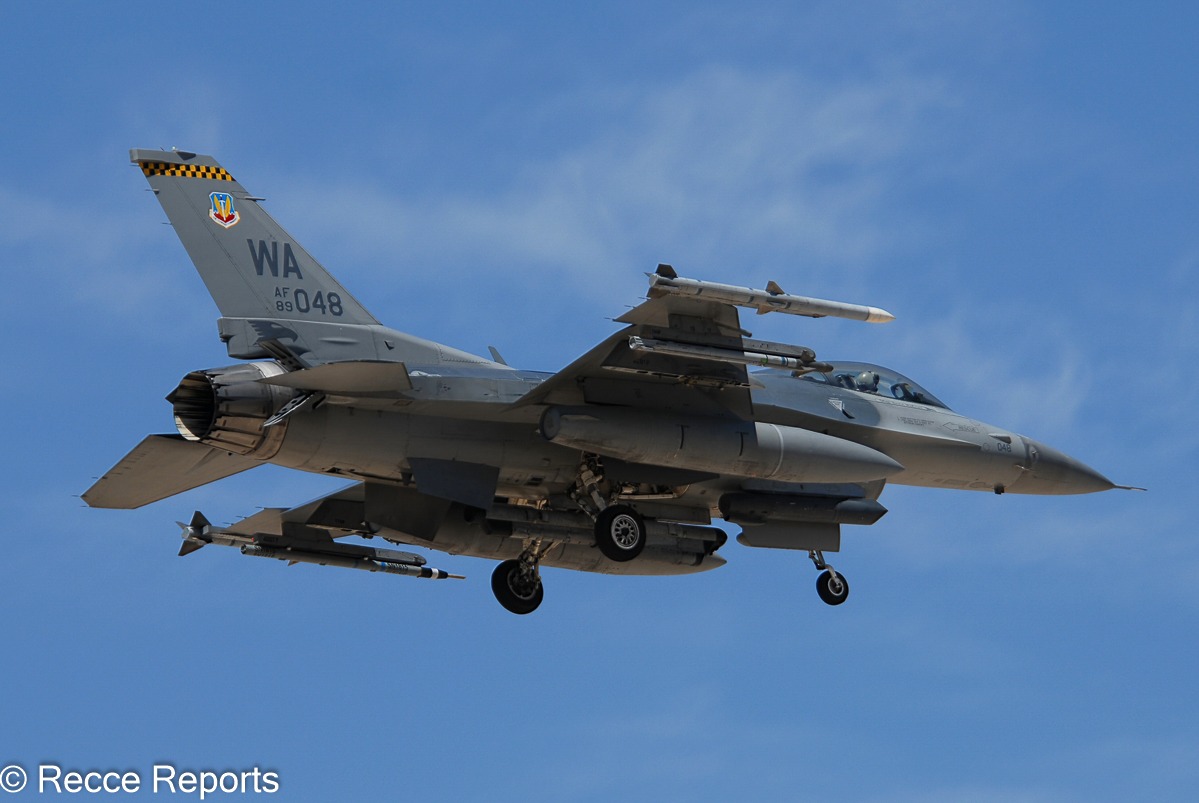
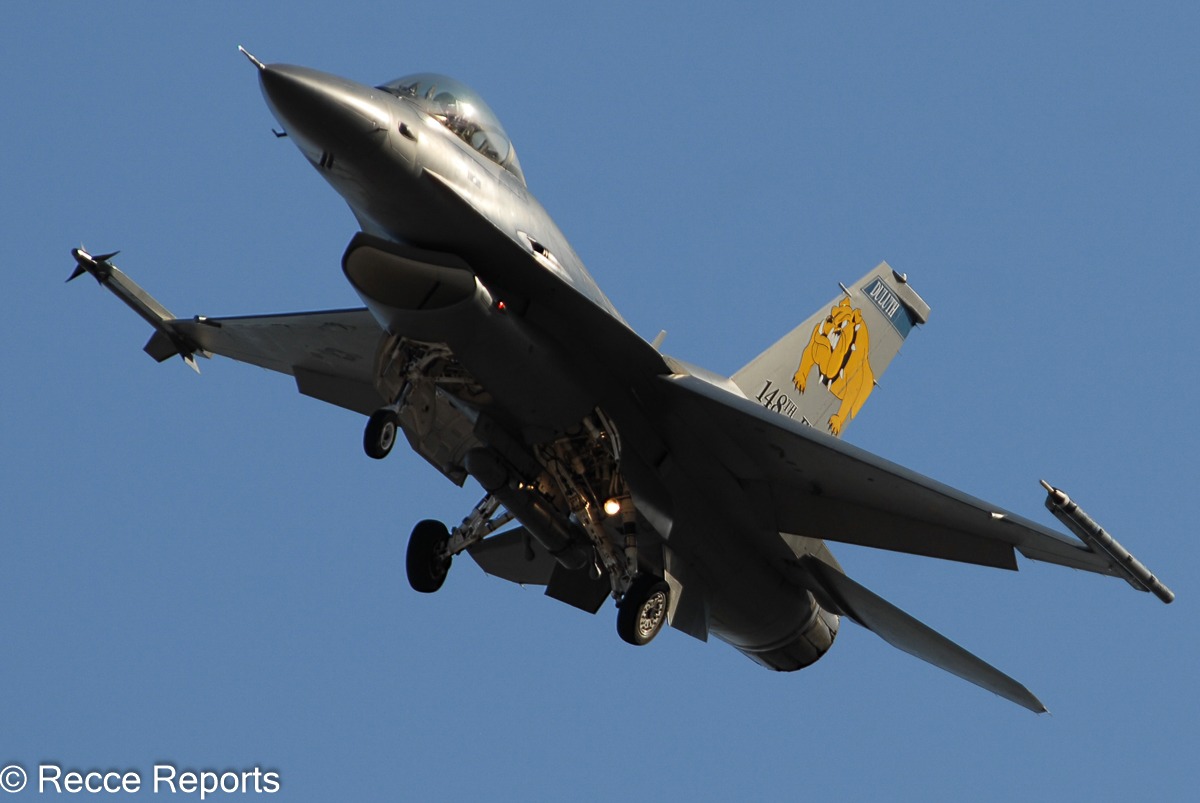
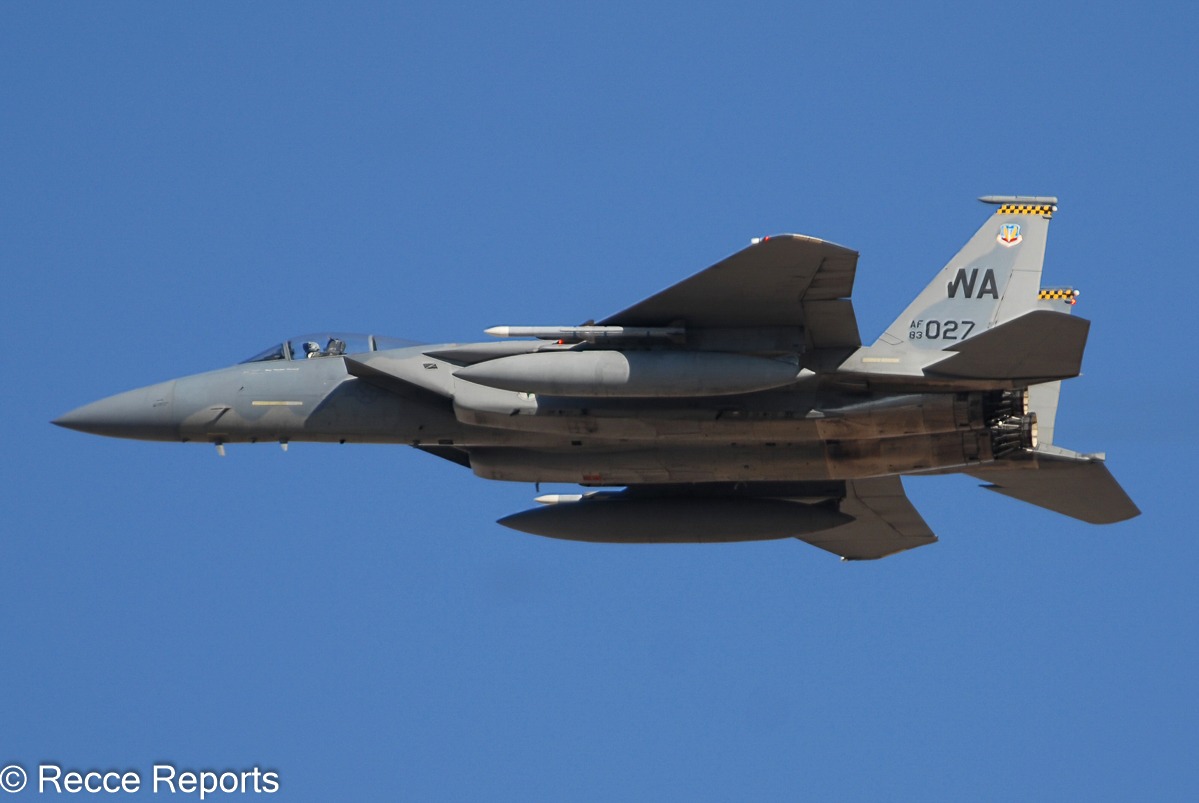
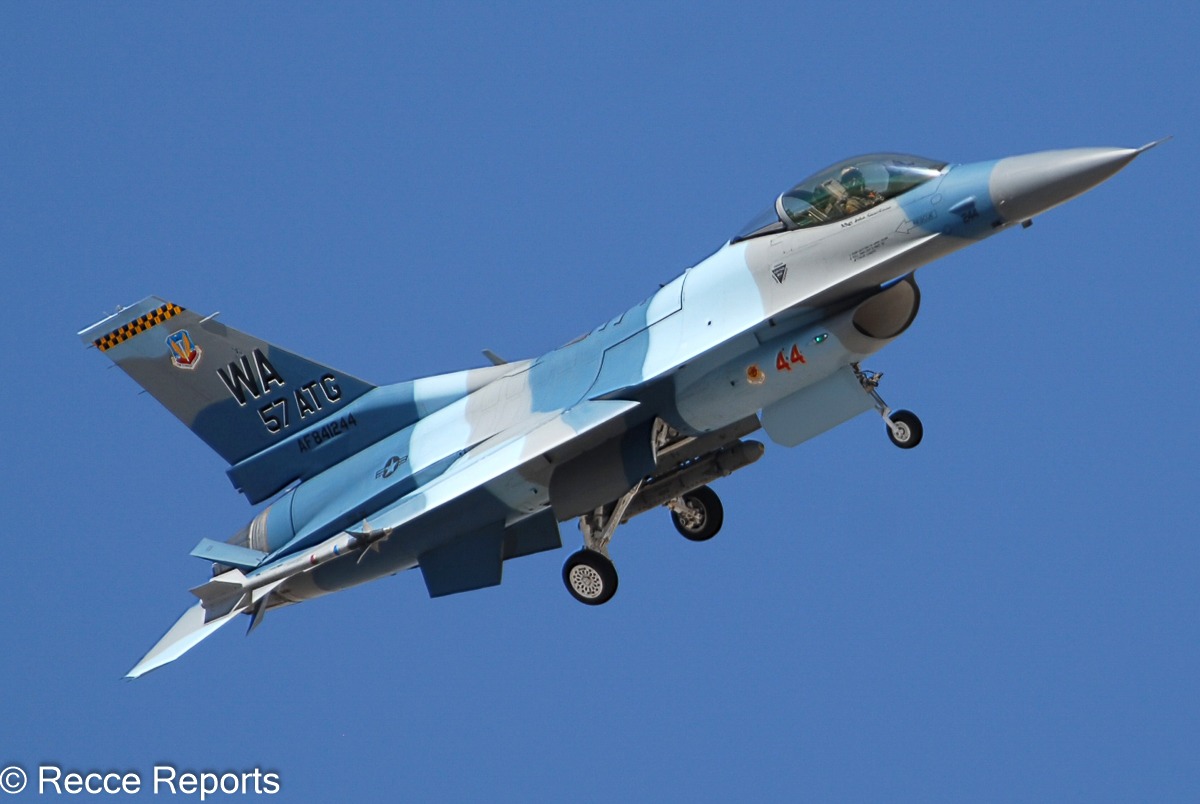
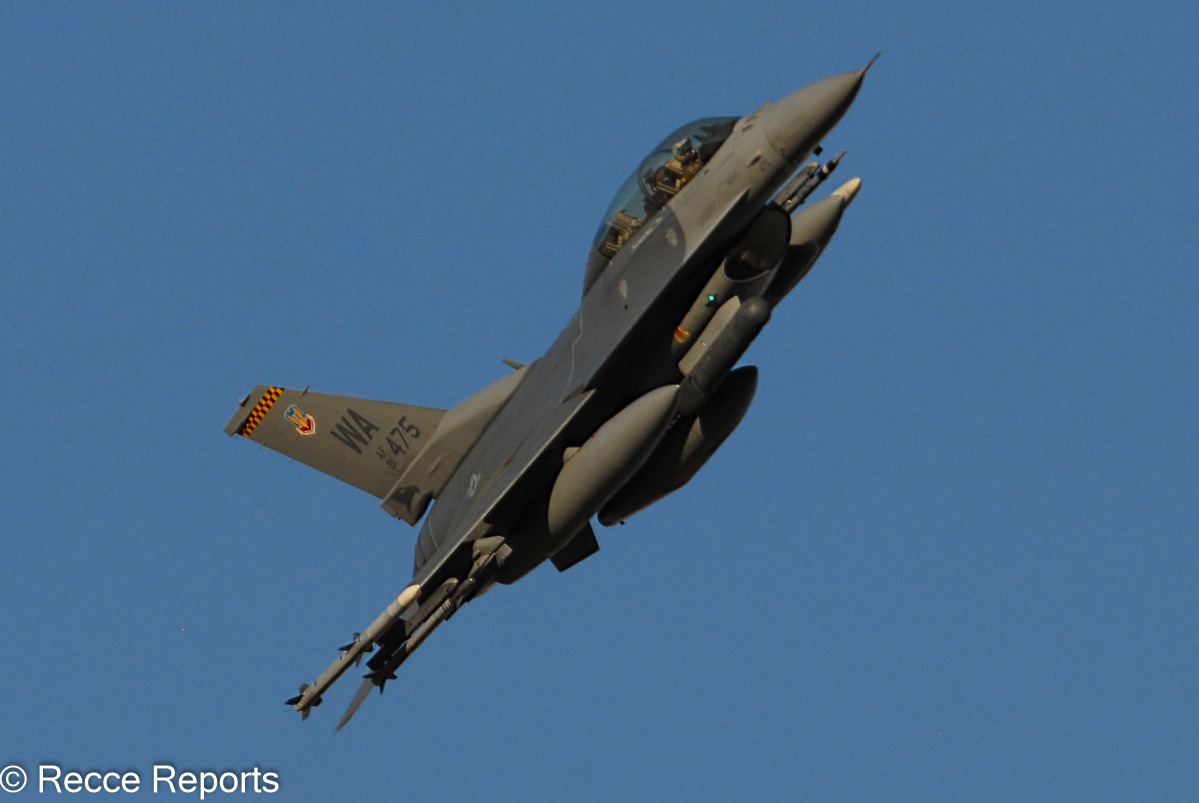
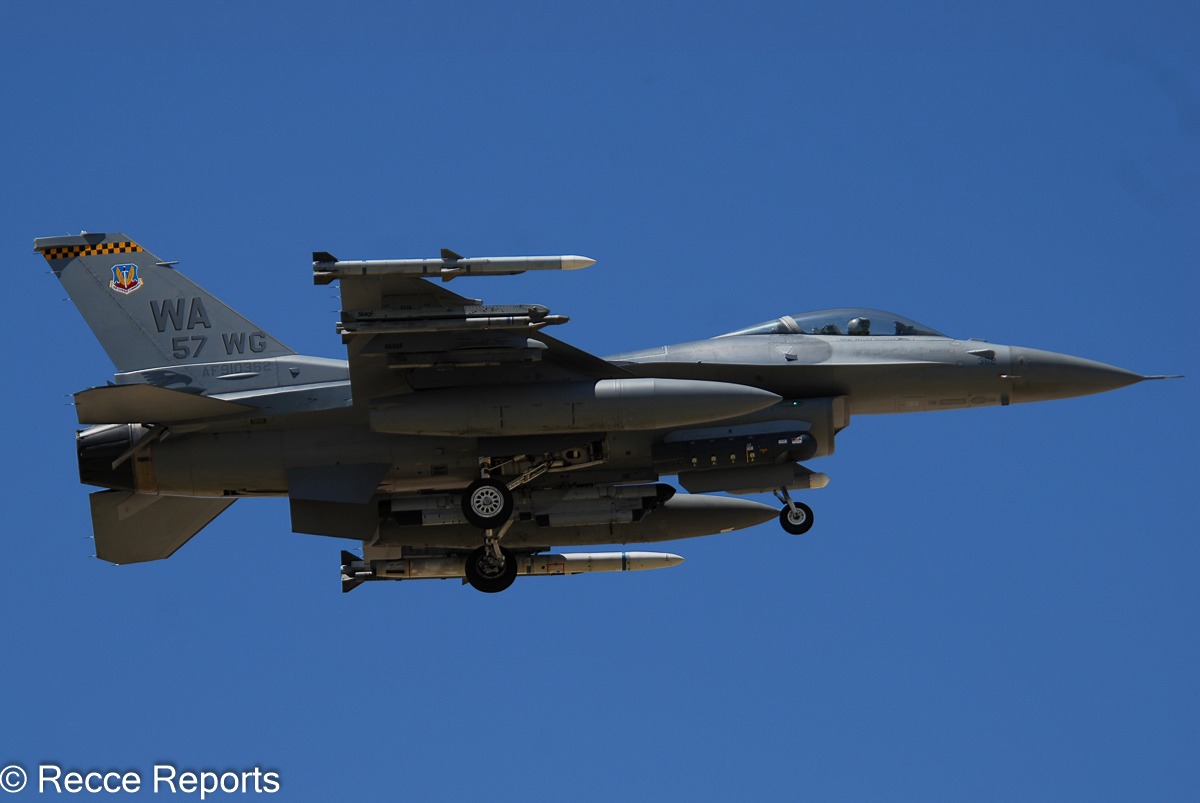
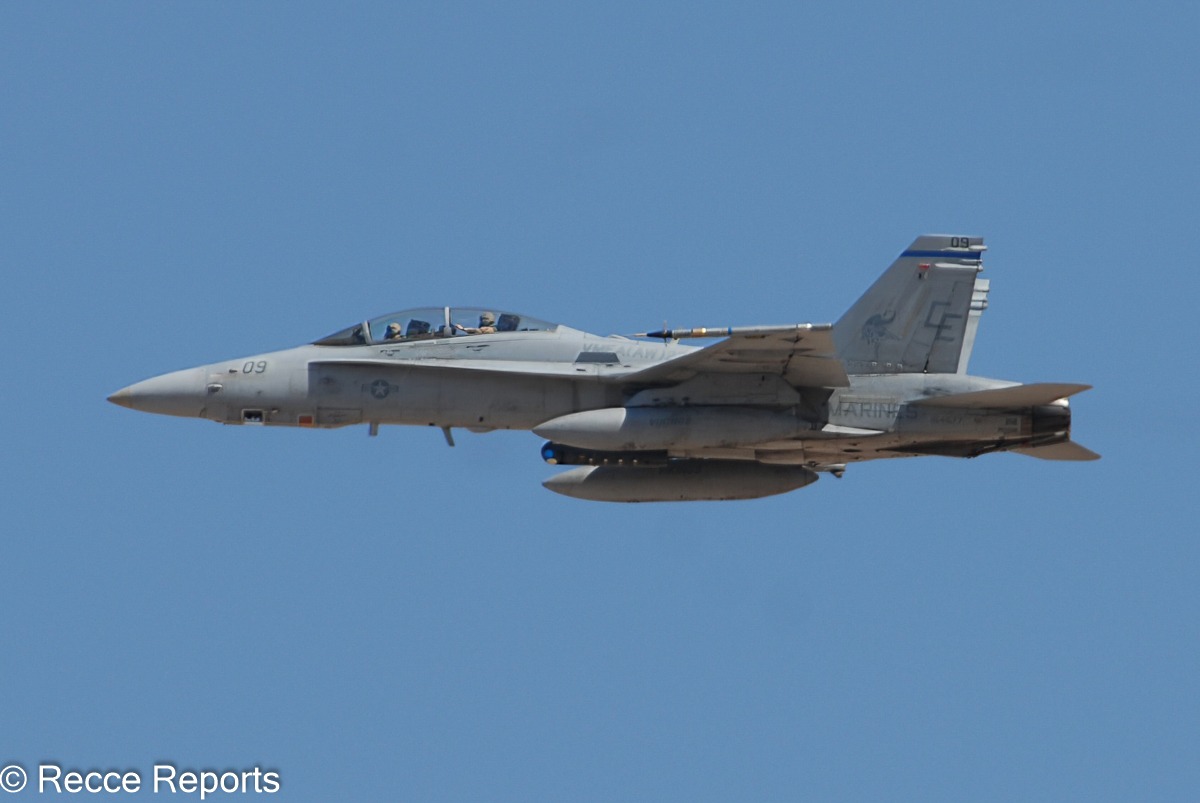
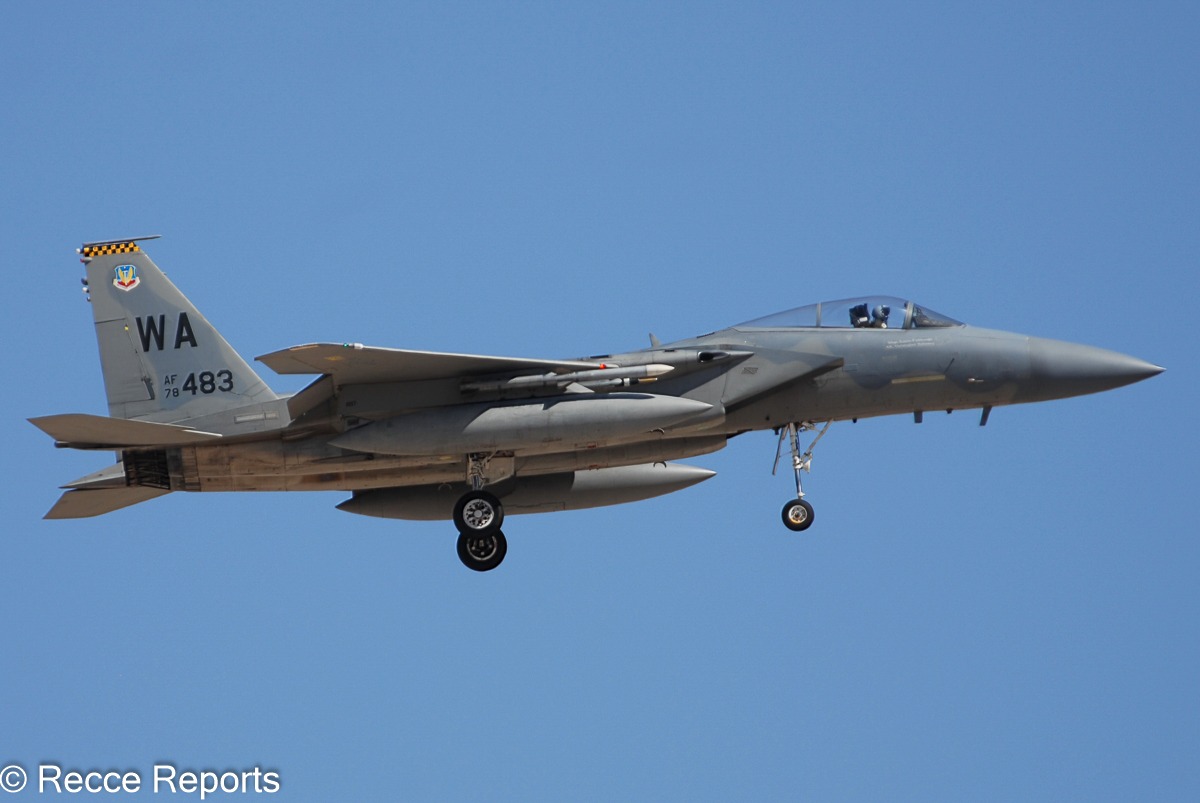
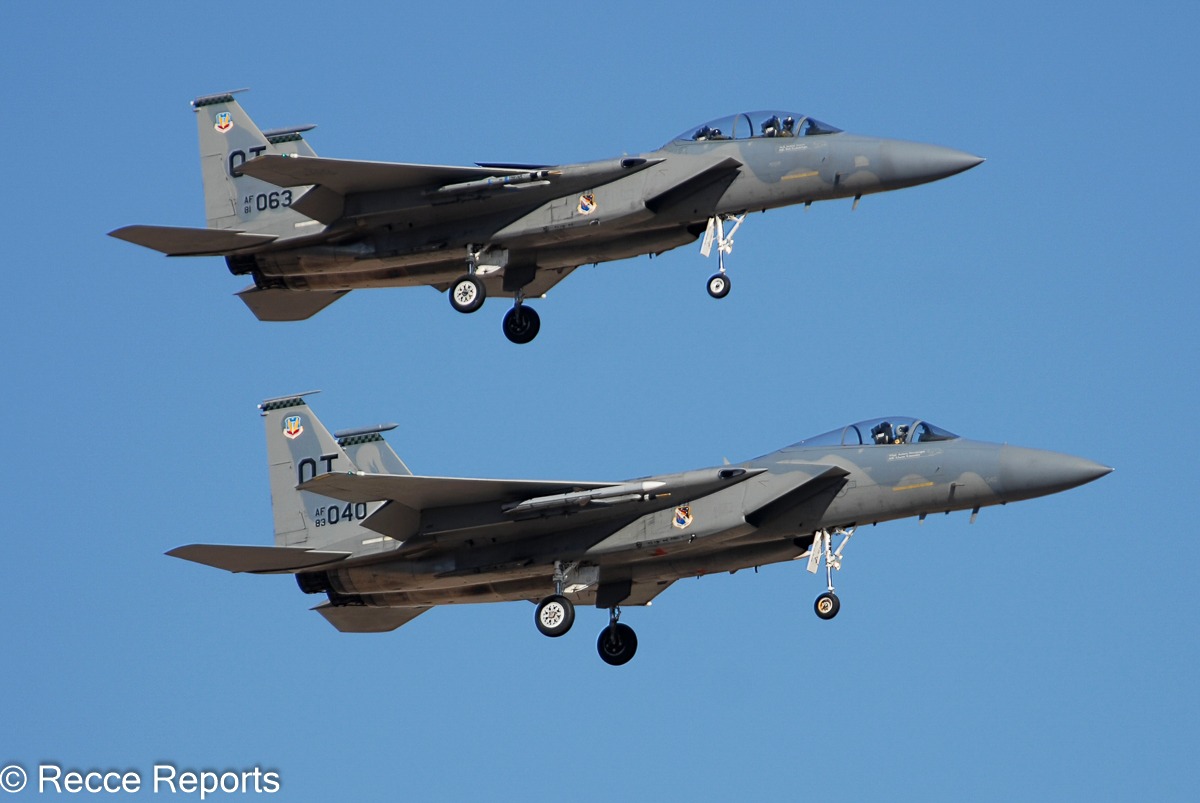
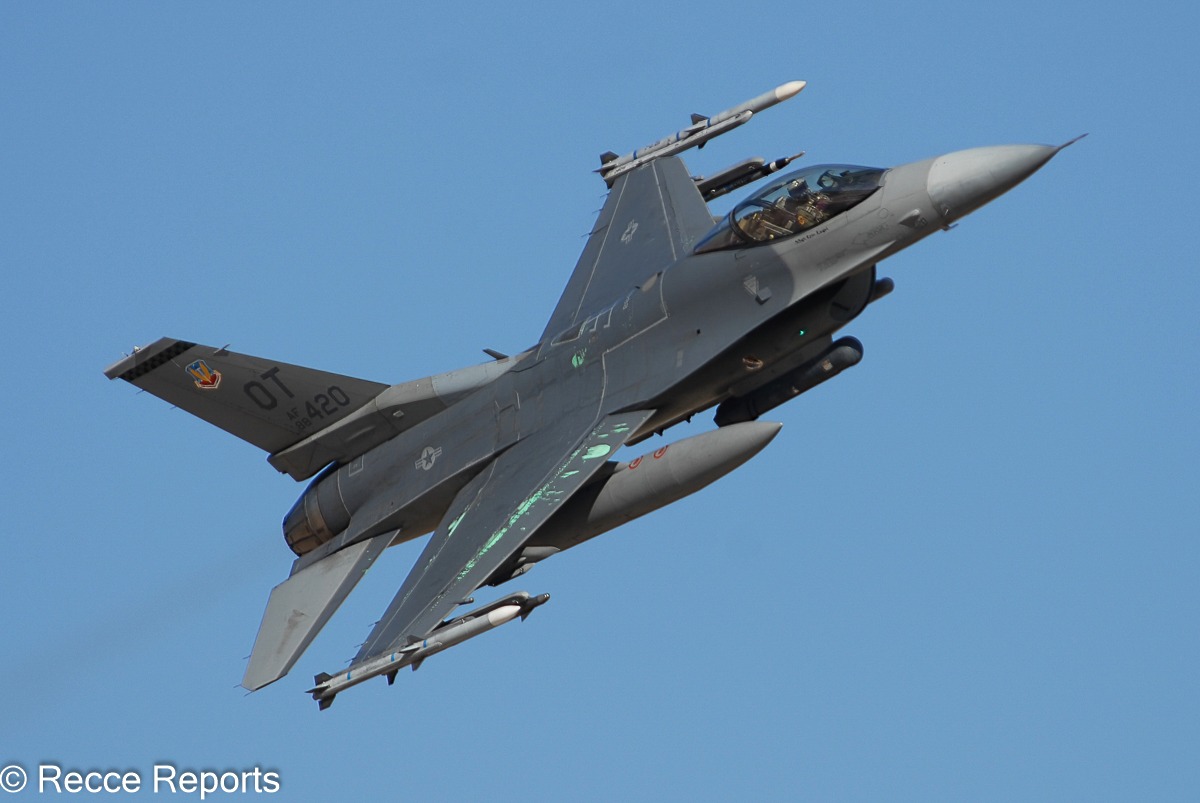
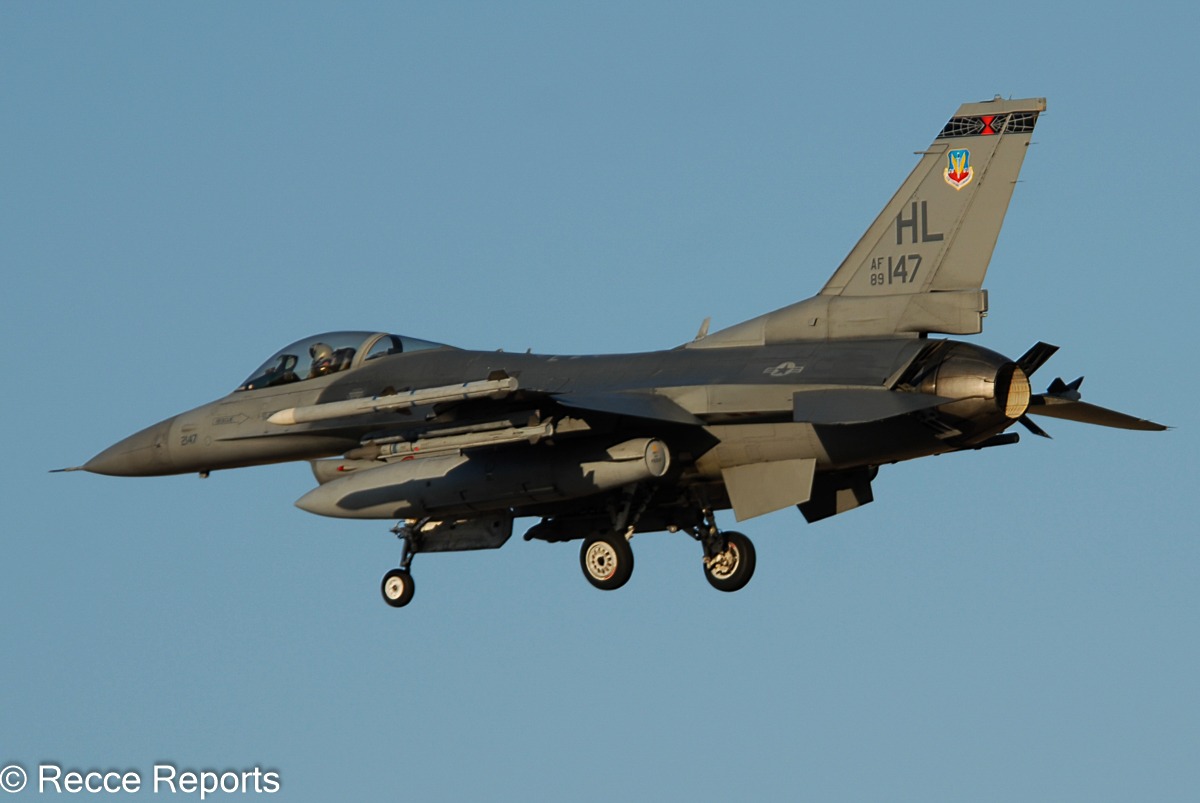
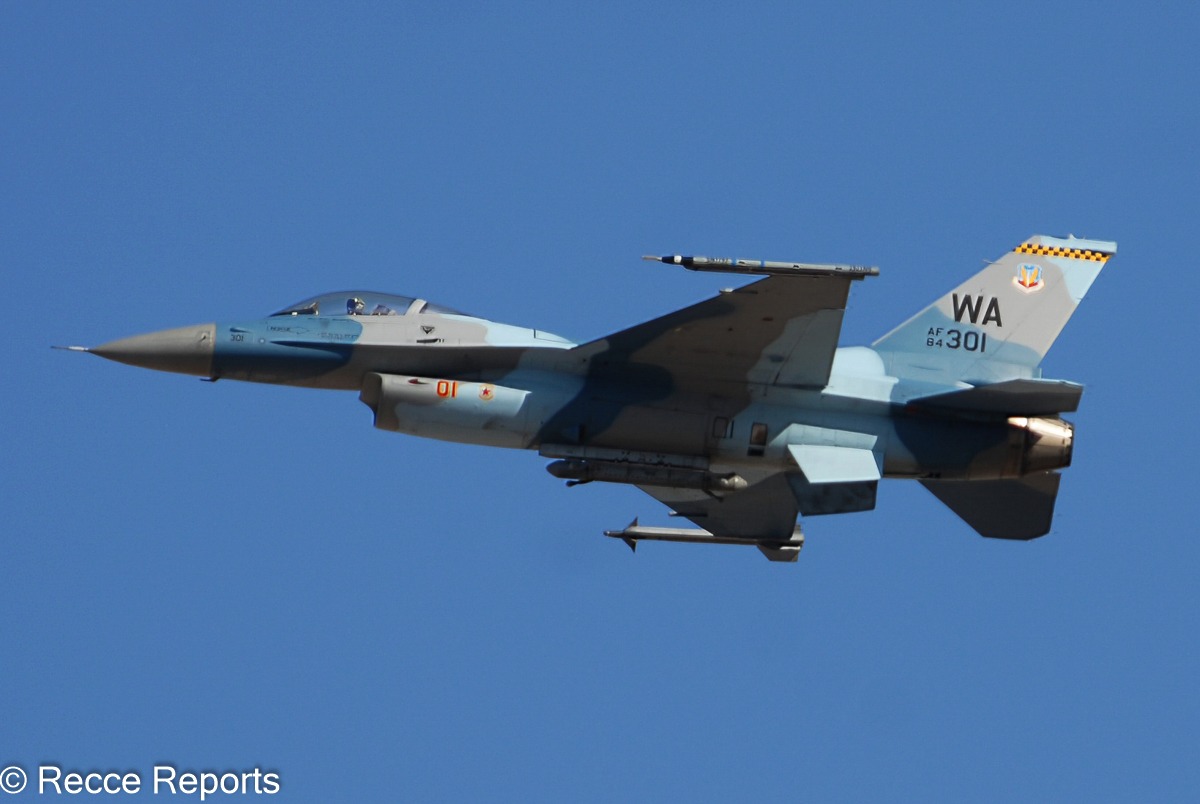
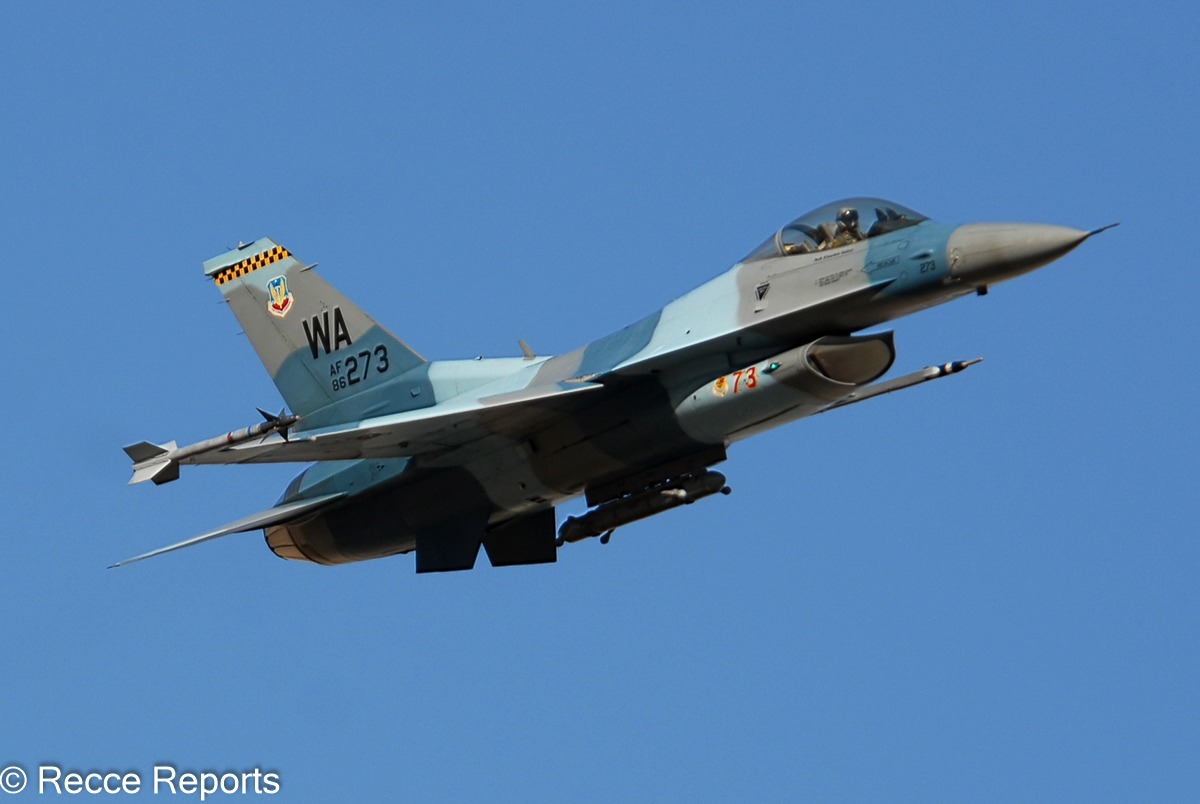
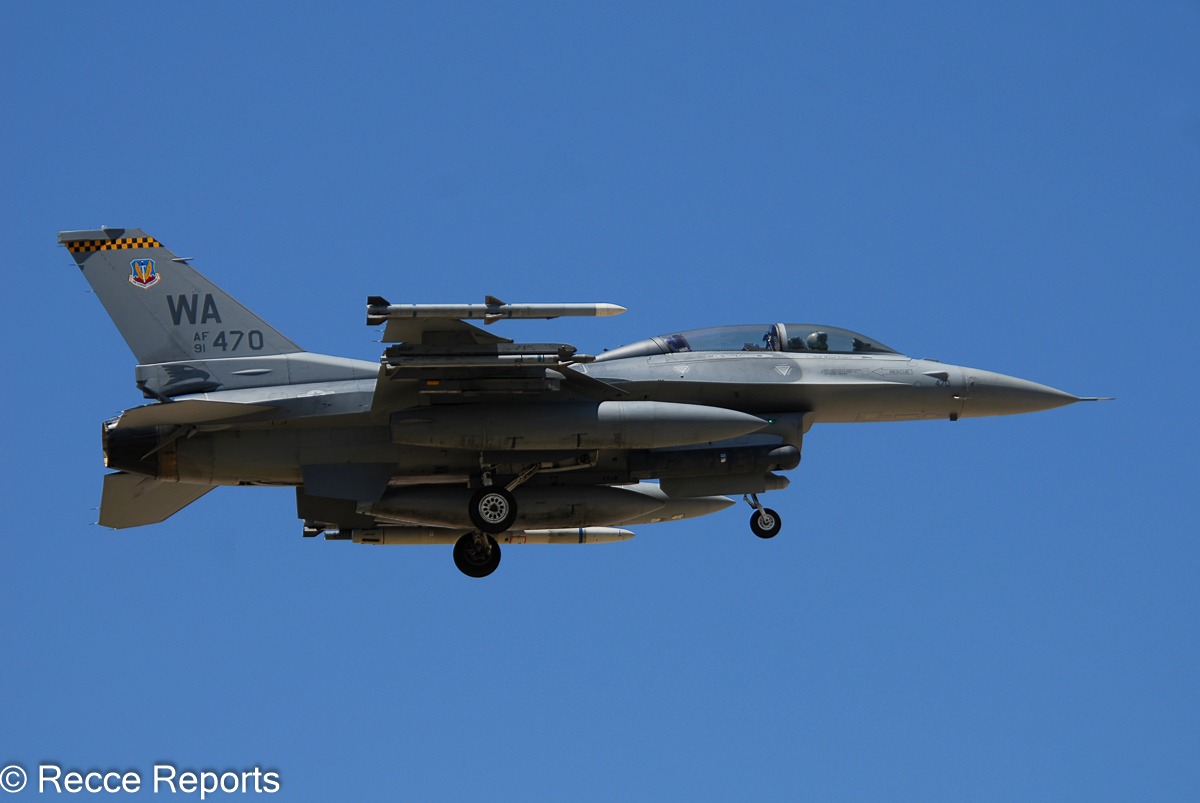
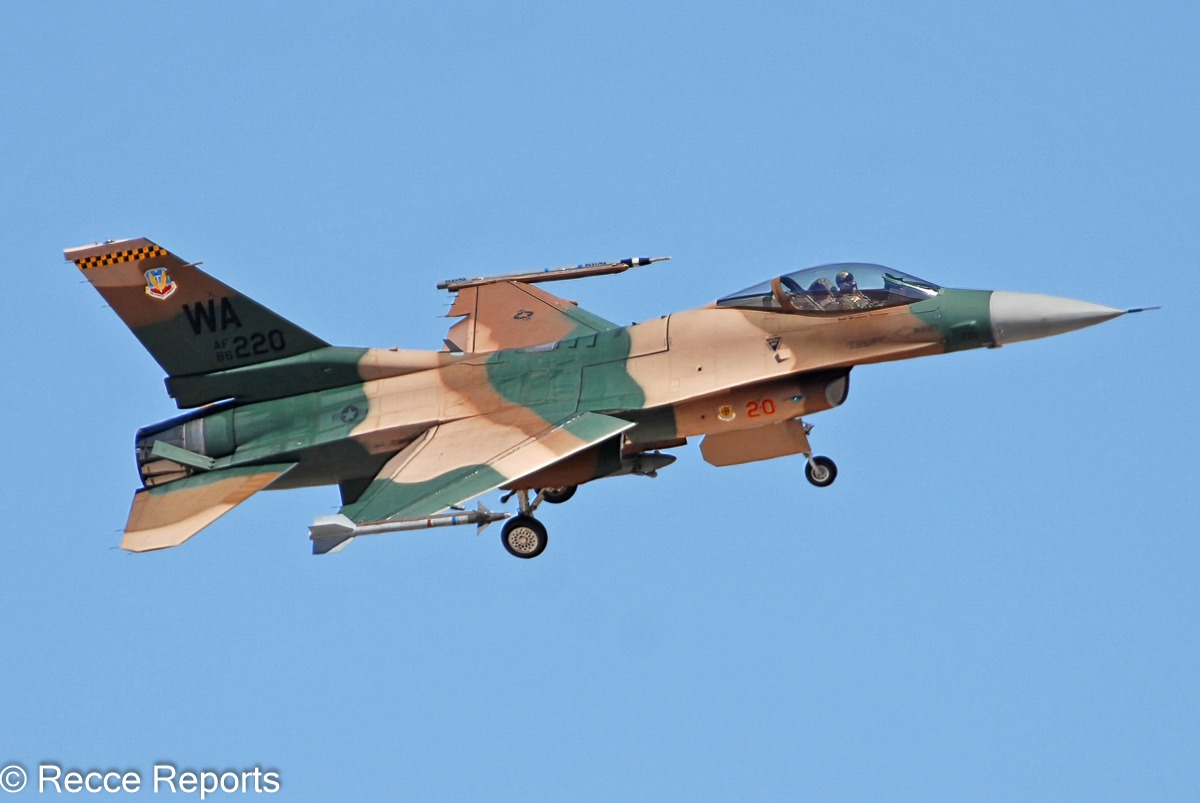
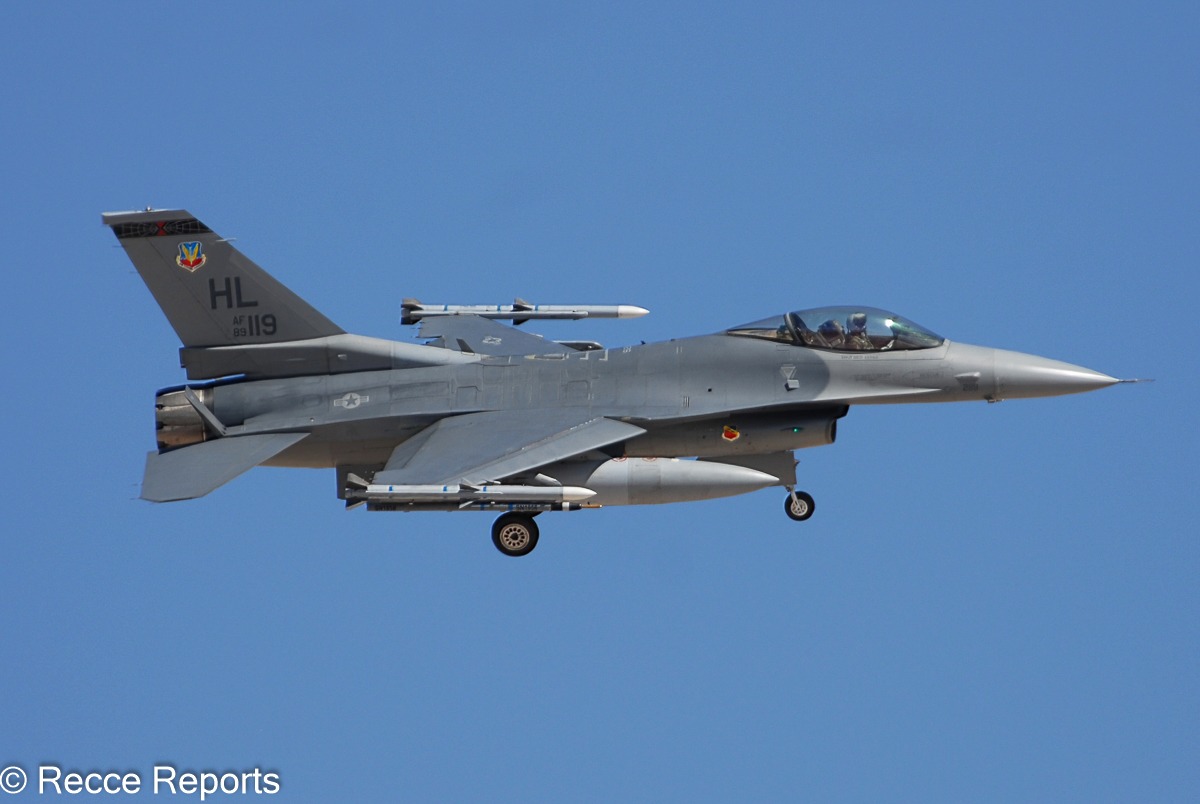
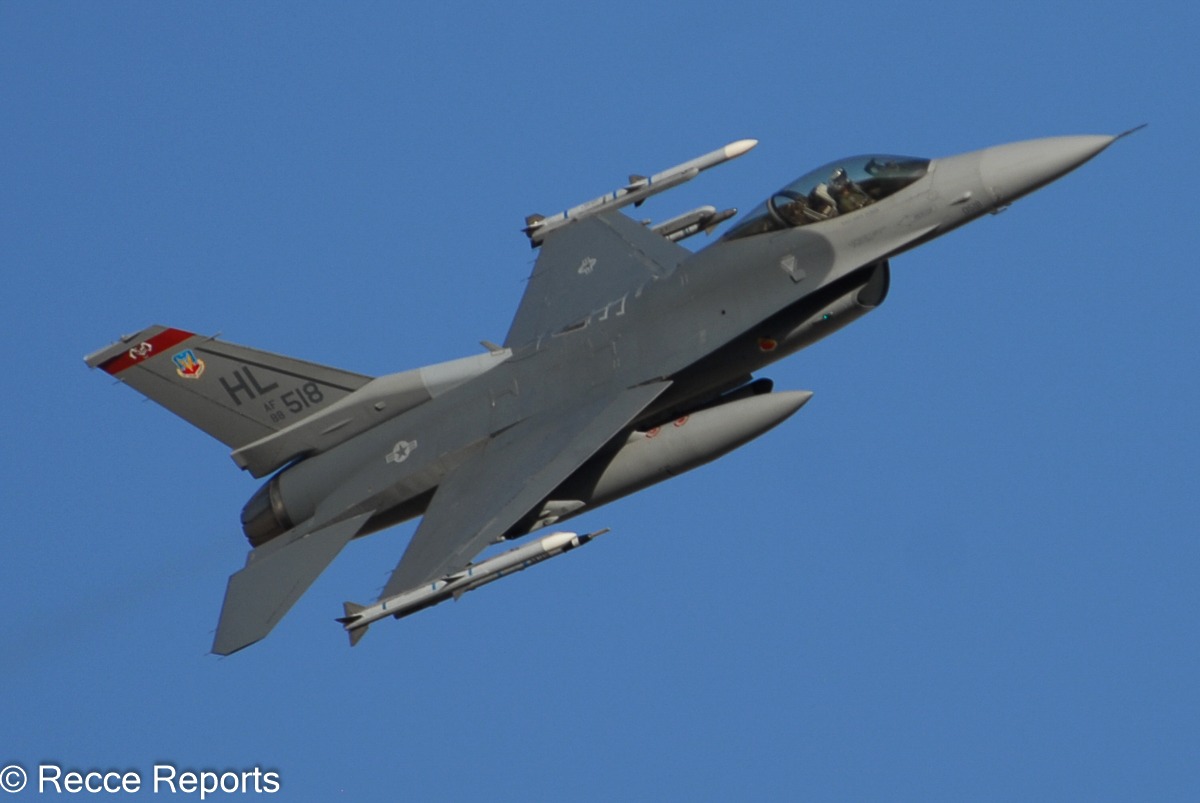
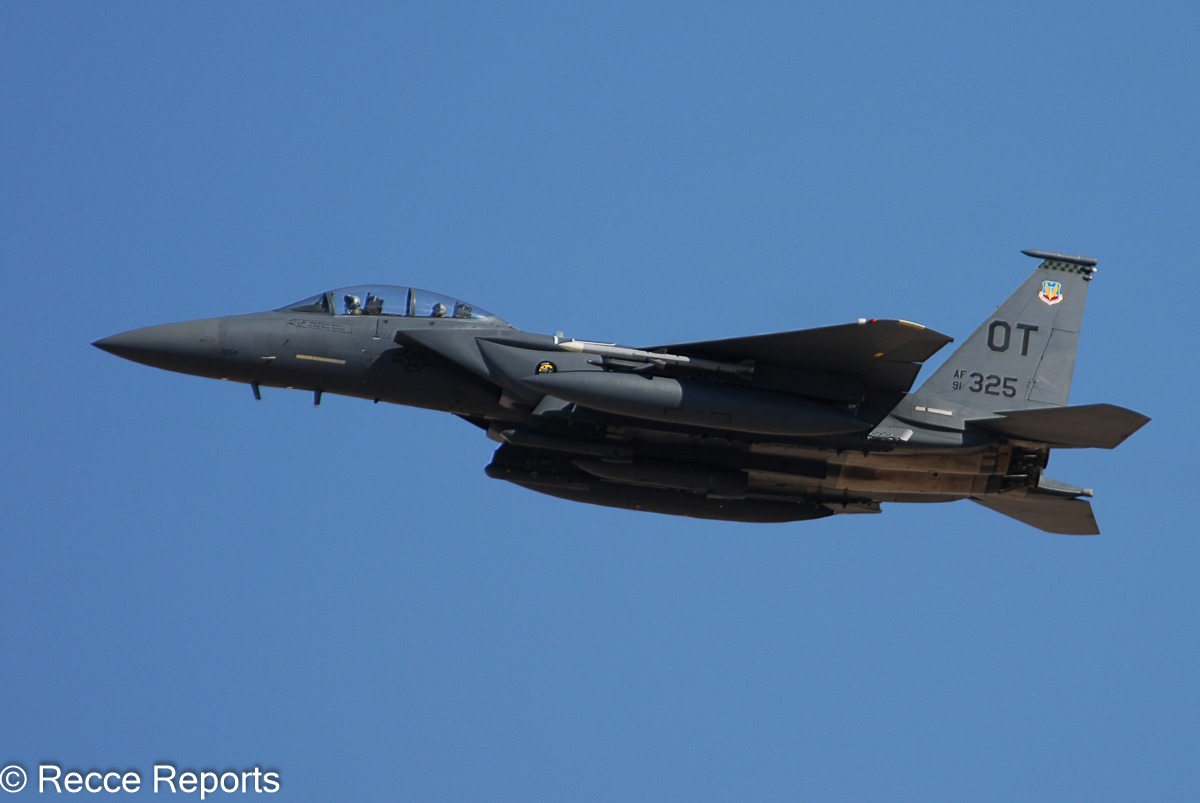
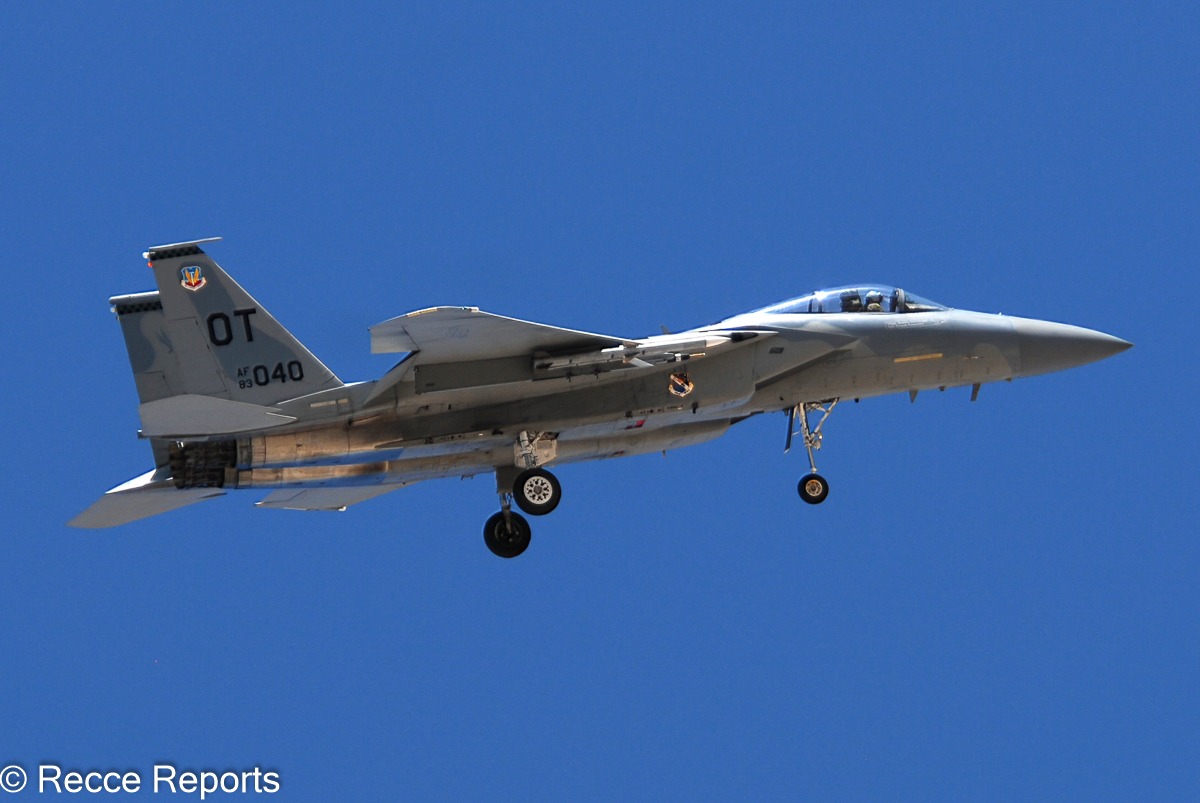
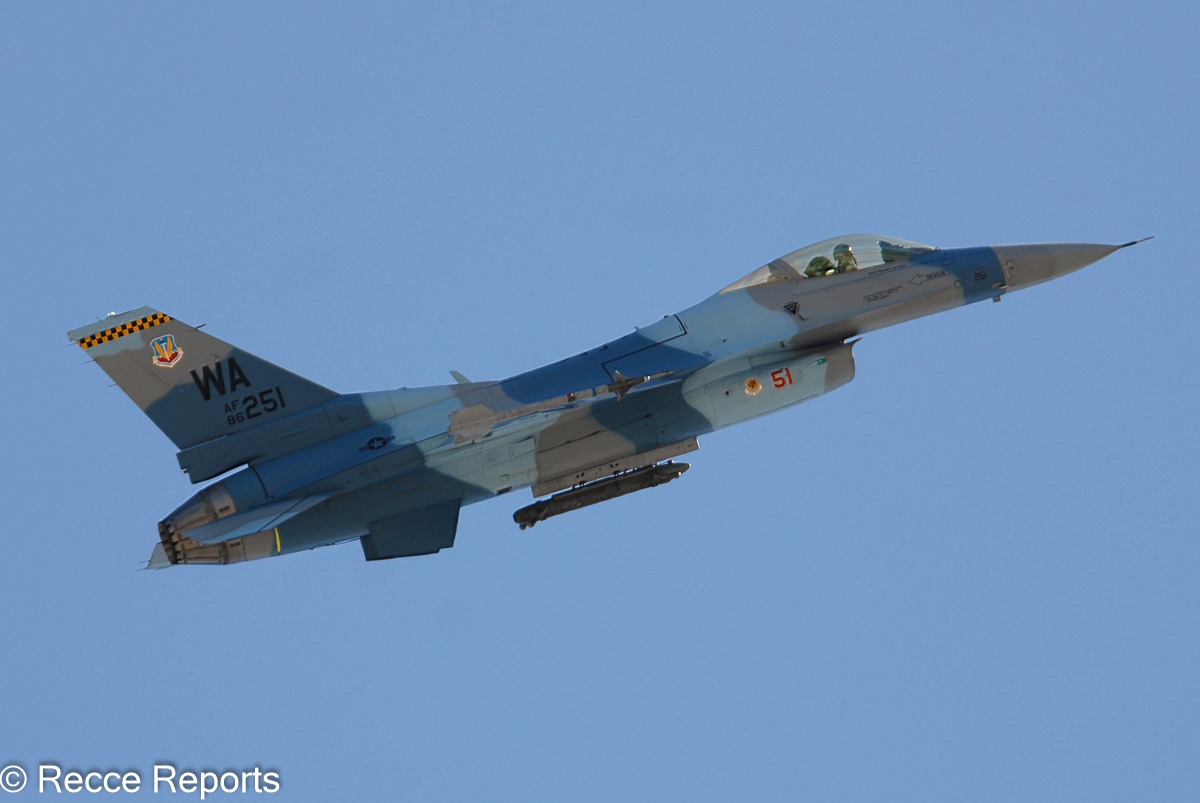
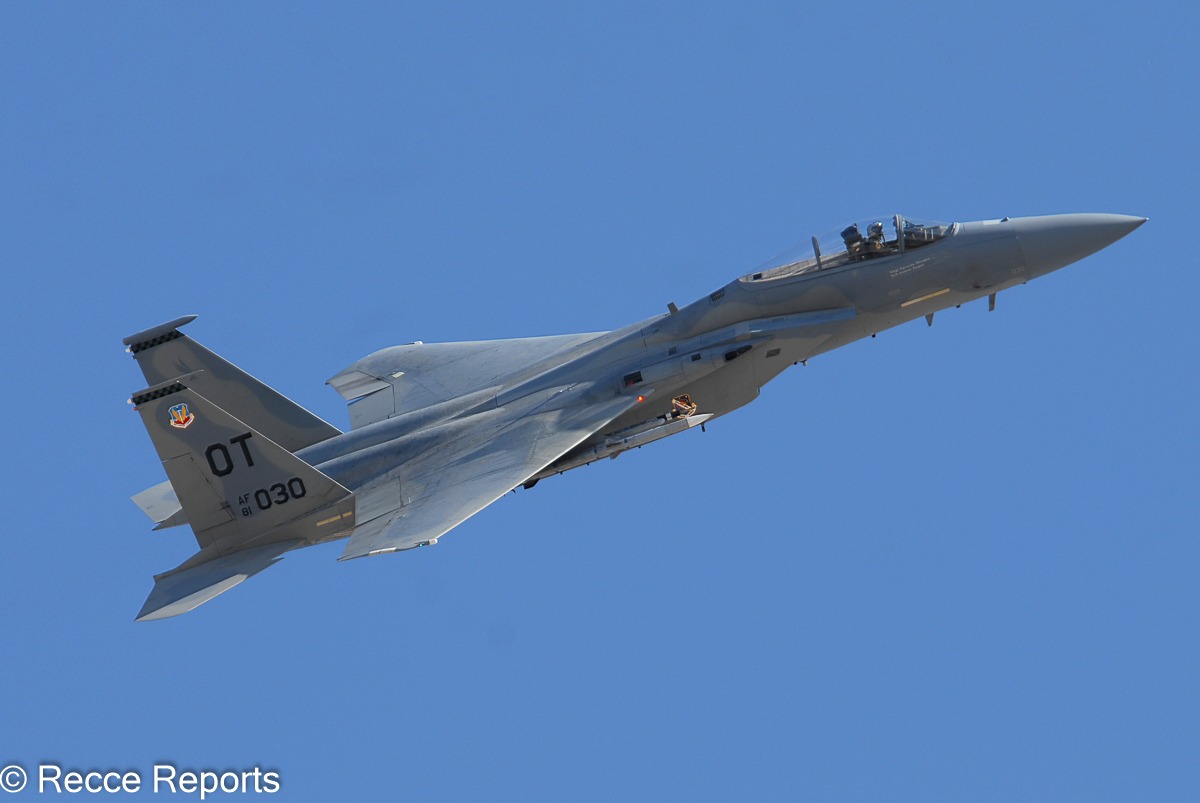
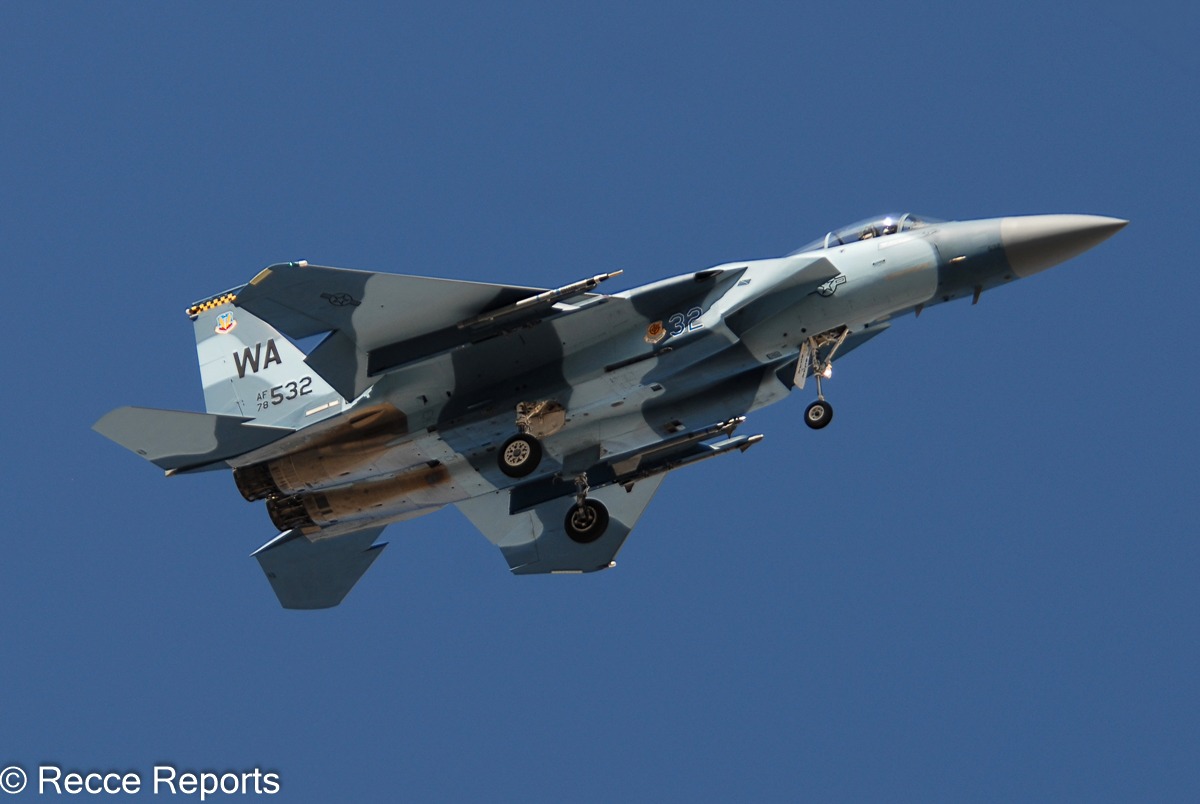
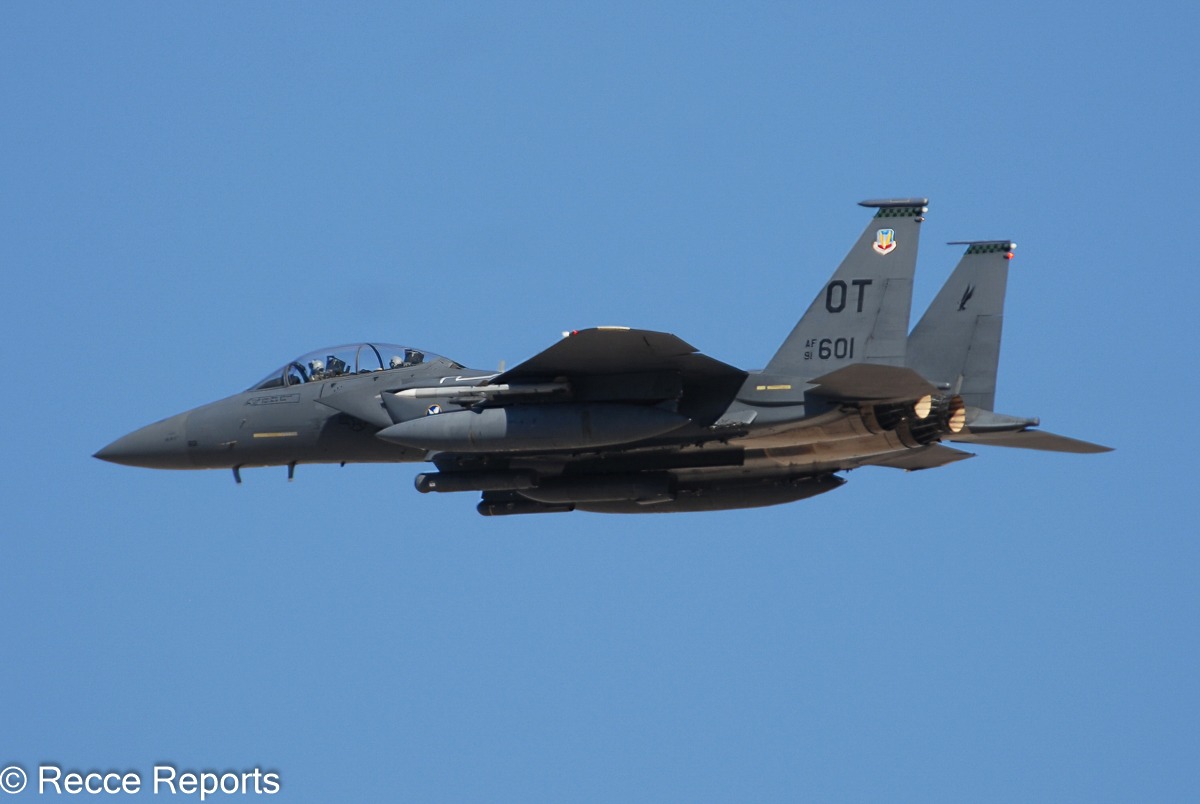
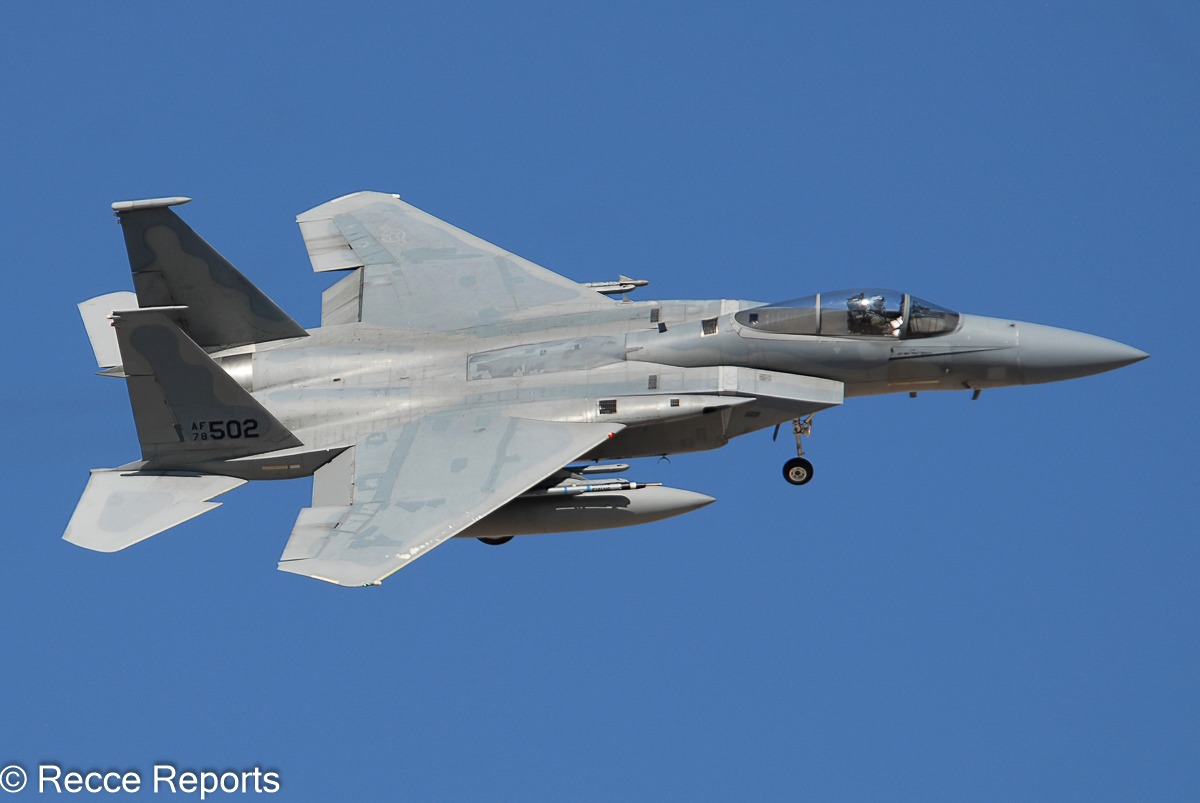
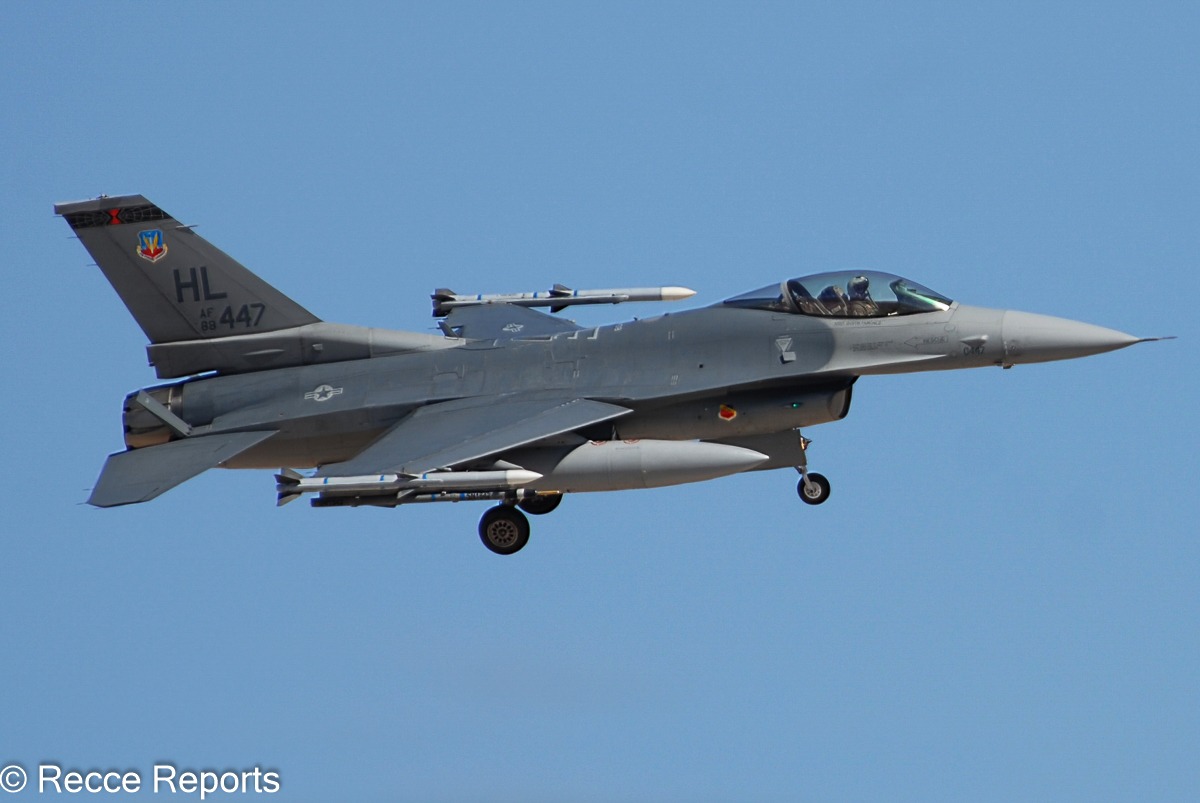
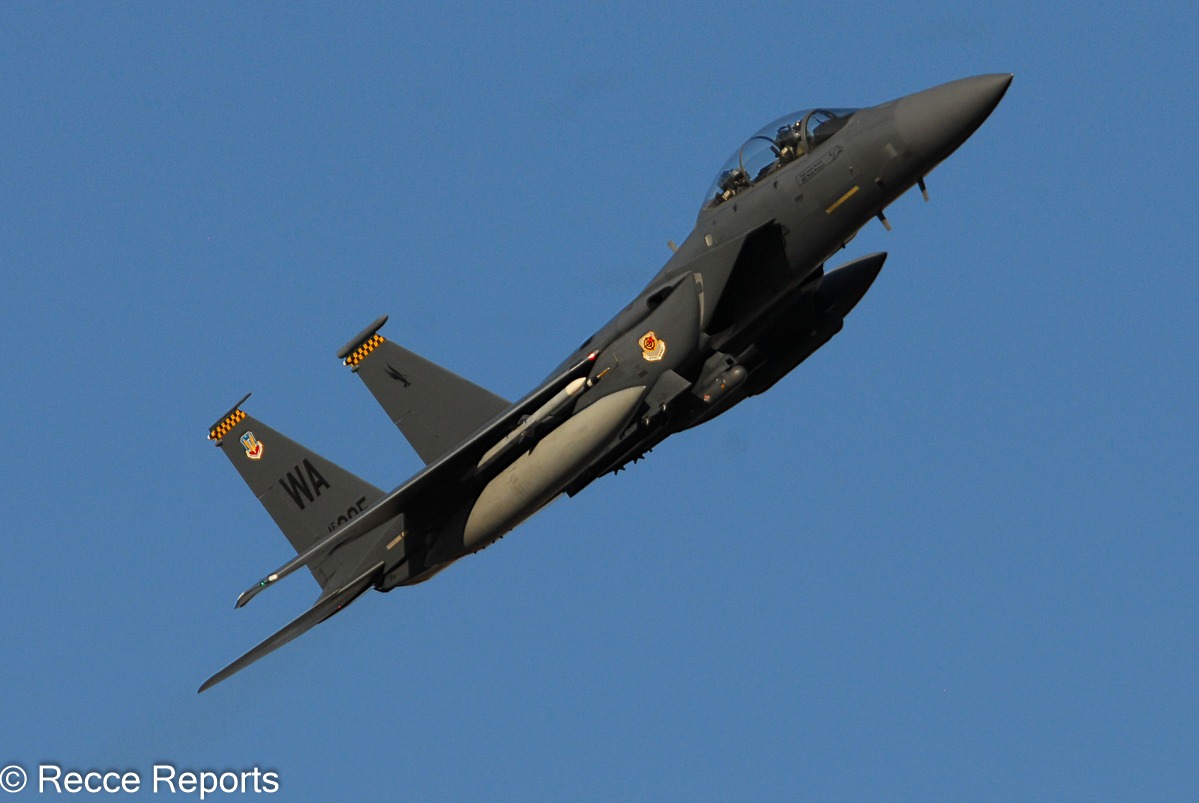
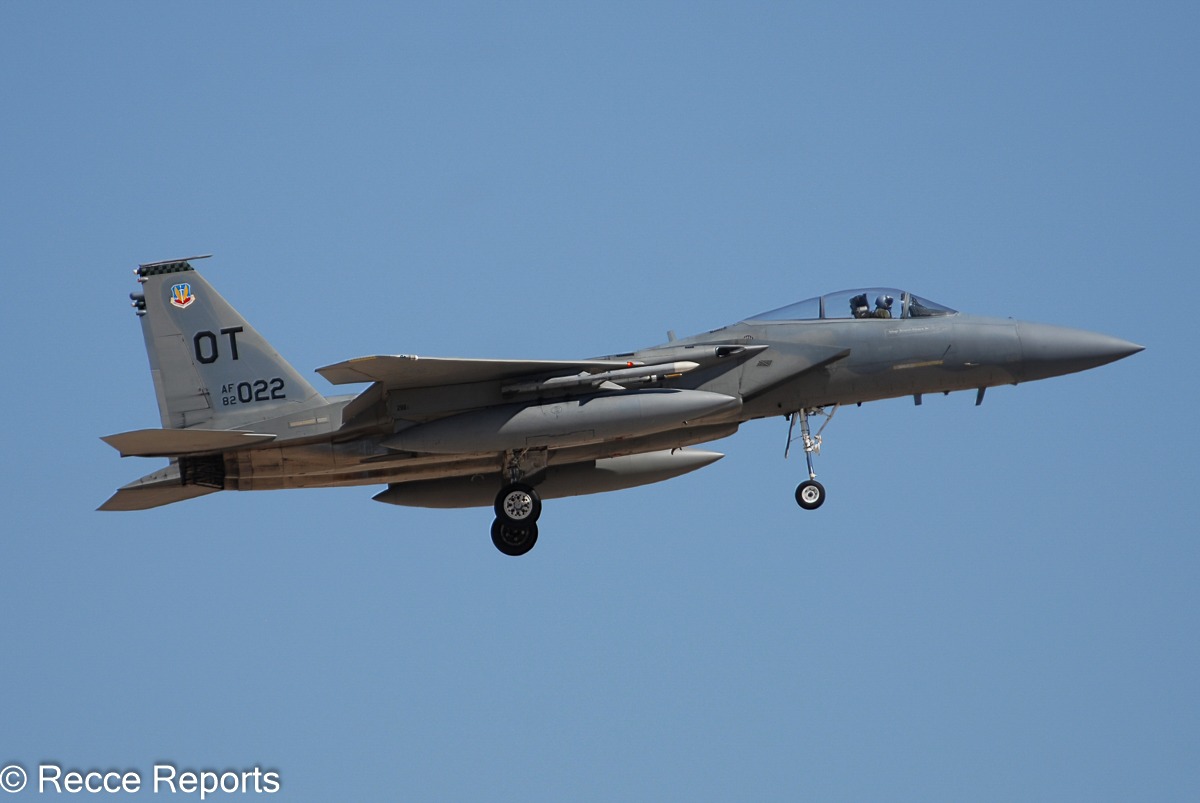
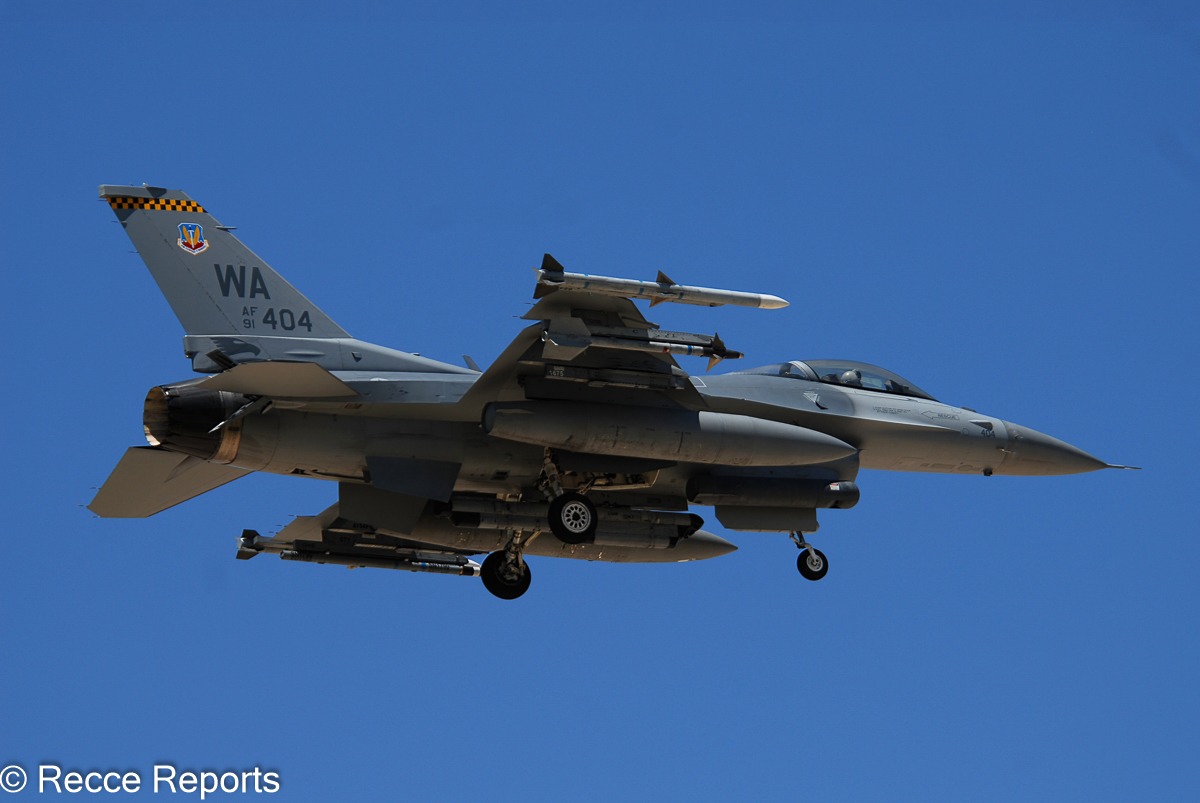
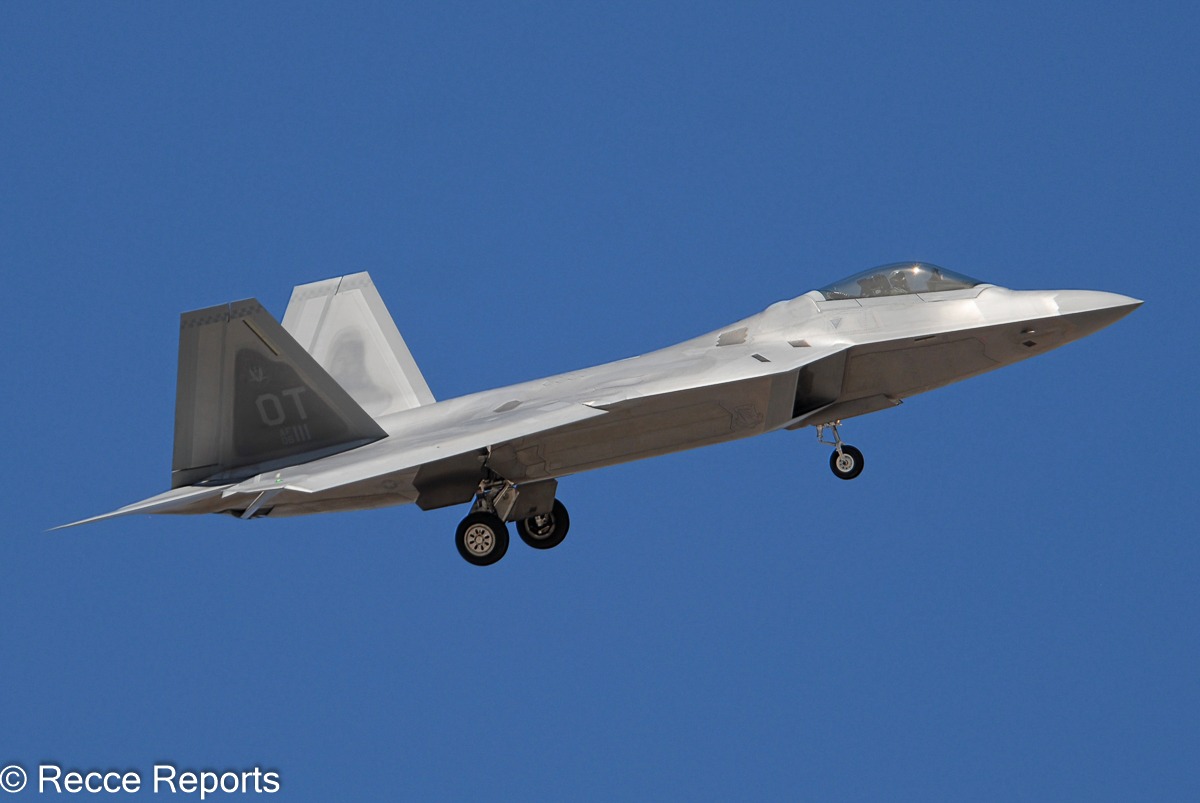
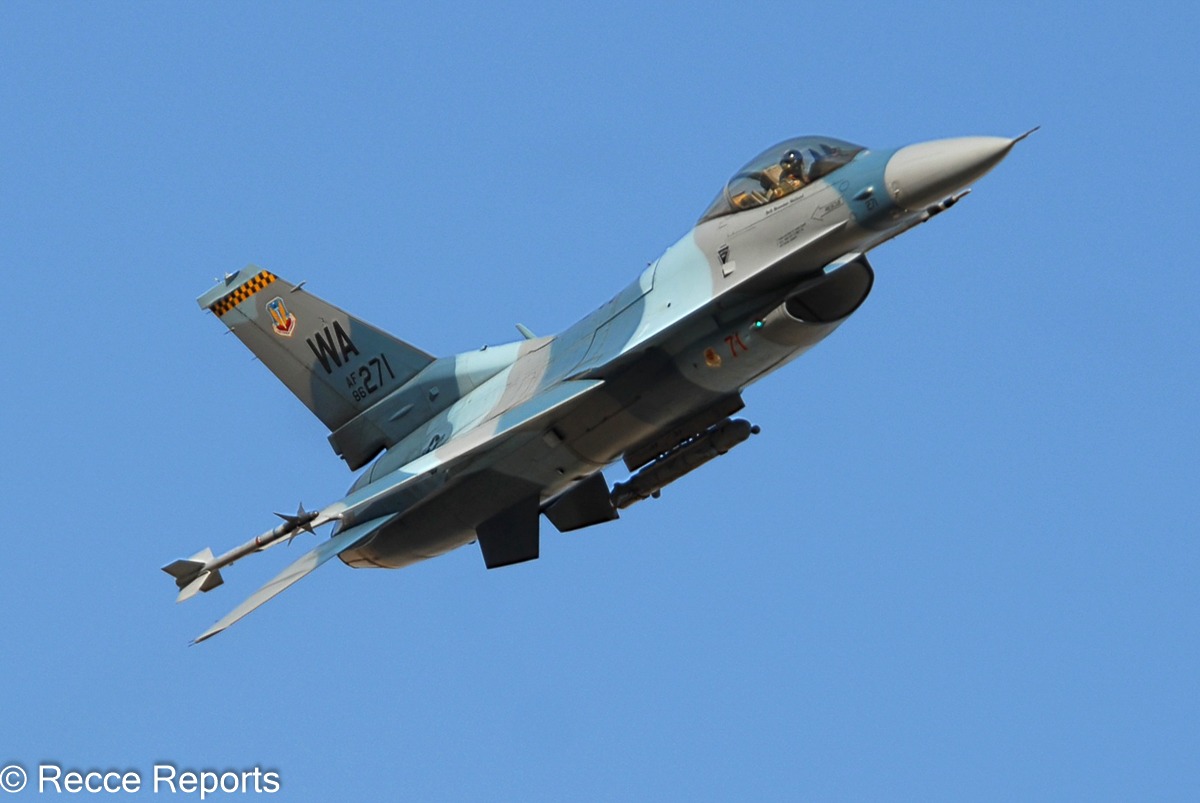
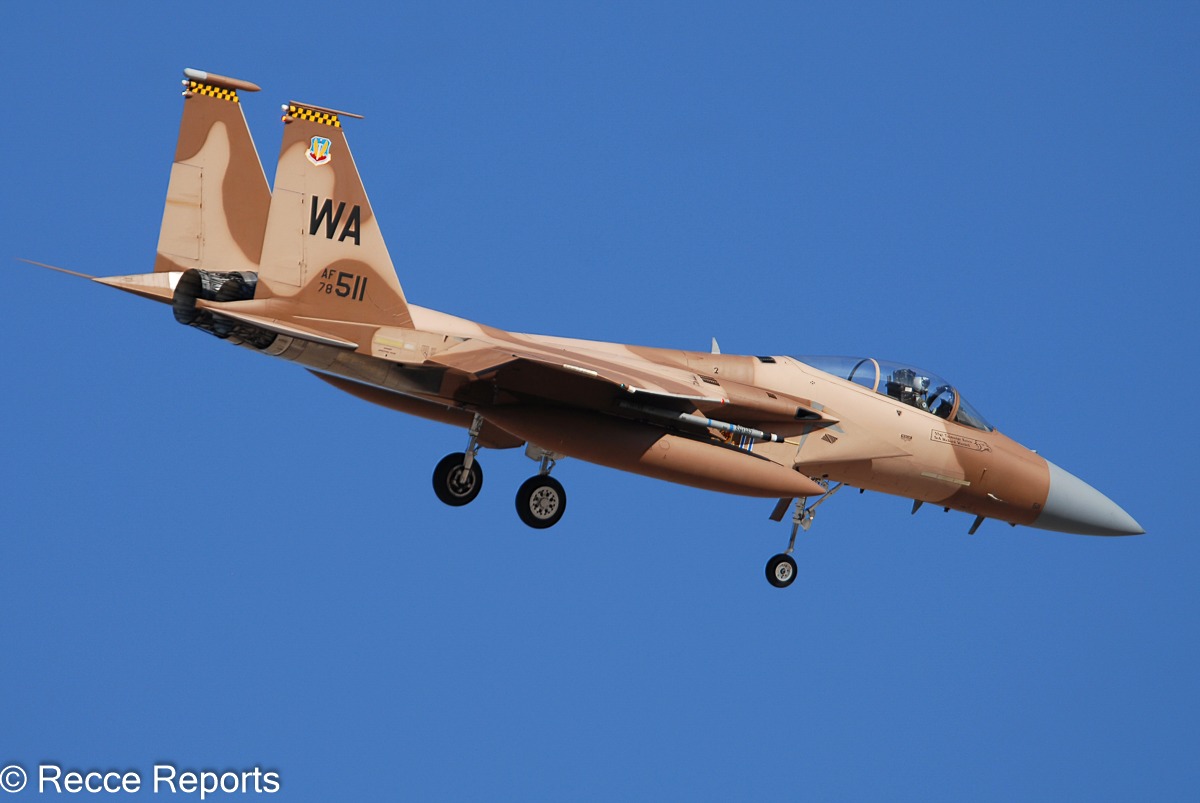
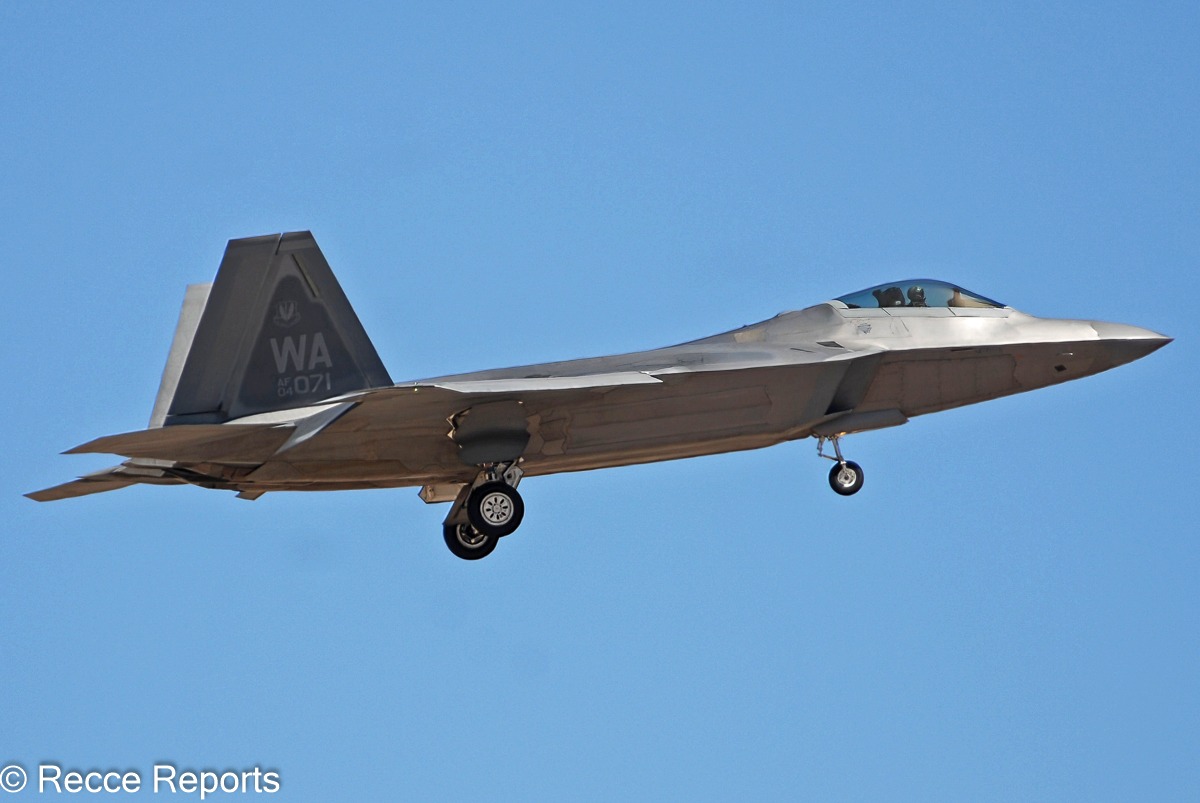
The list of participating aircraft was impressive. Besides the Nellis based F-16’s and F-15’s some other participating aircraft were:
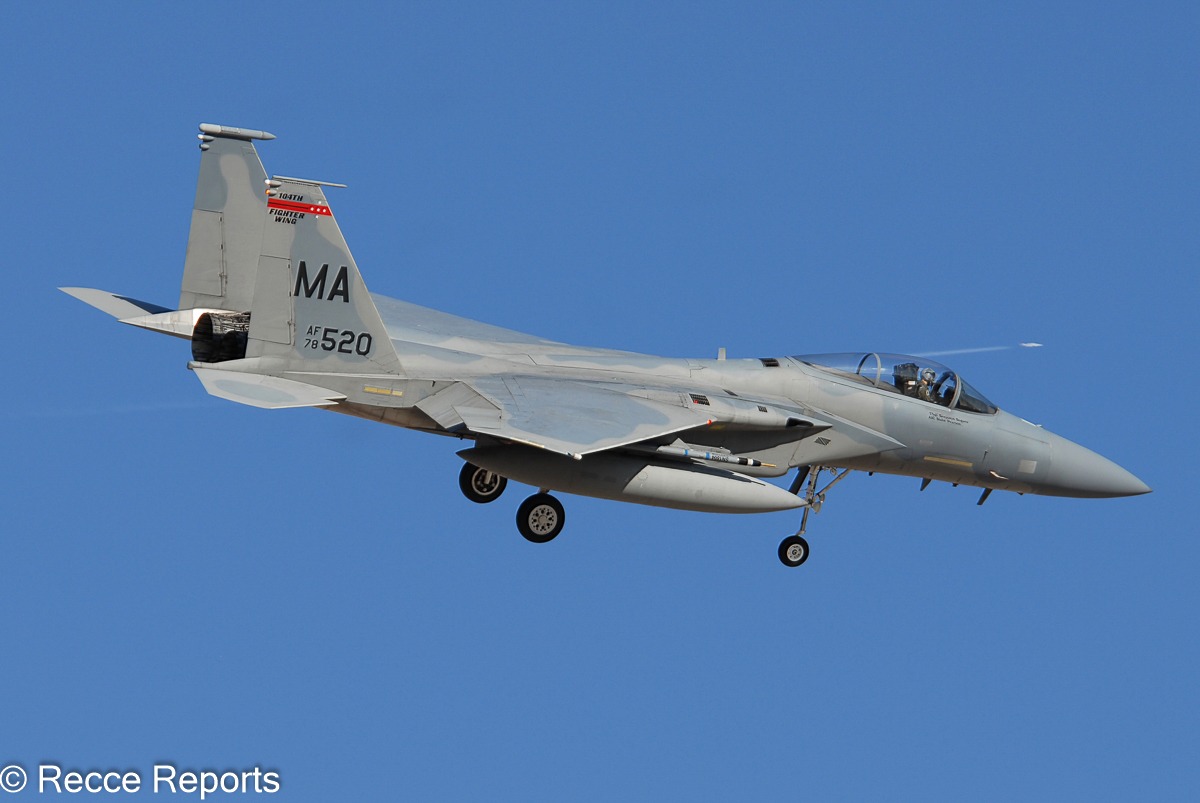
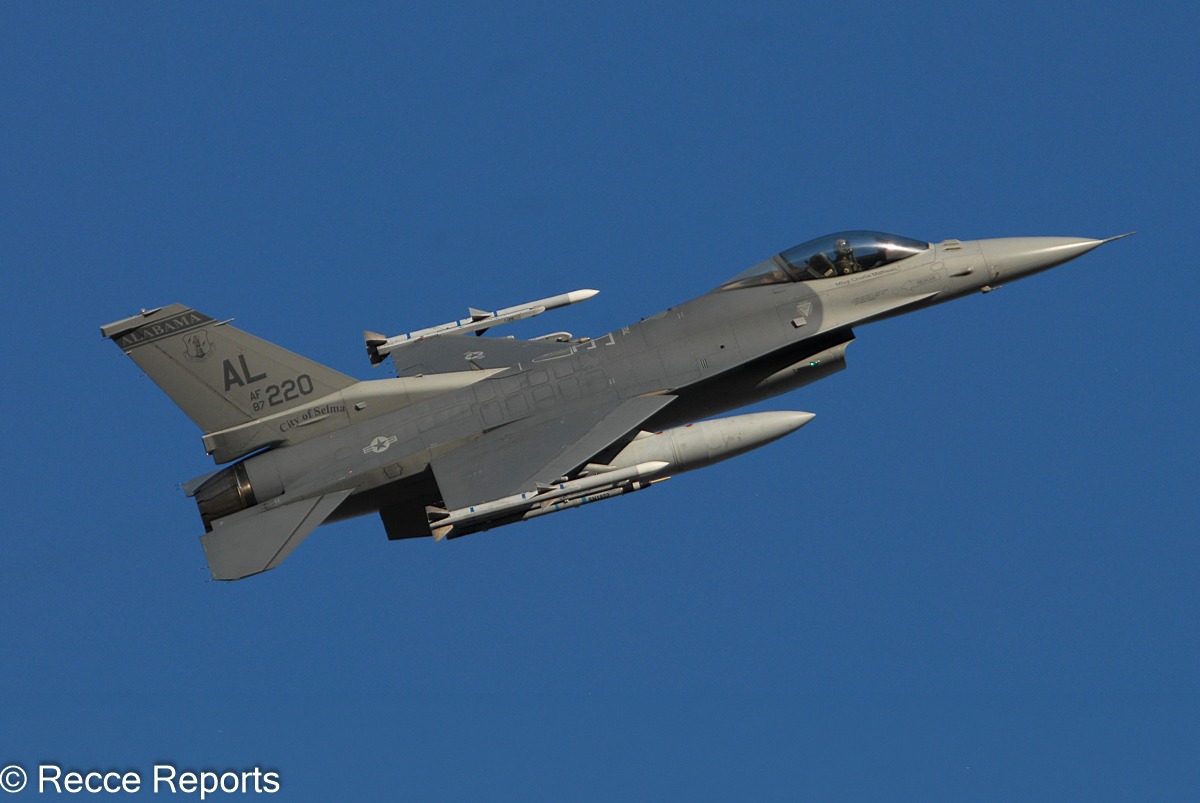
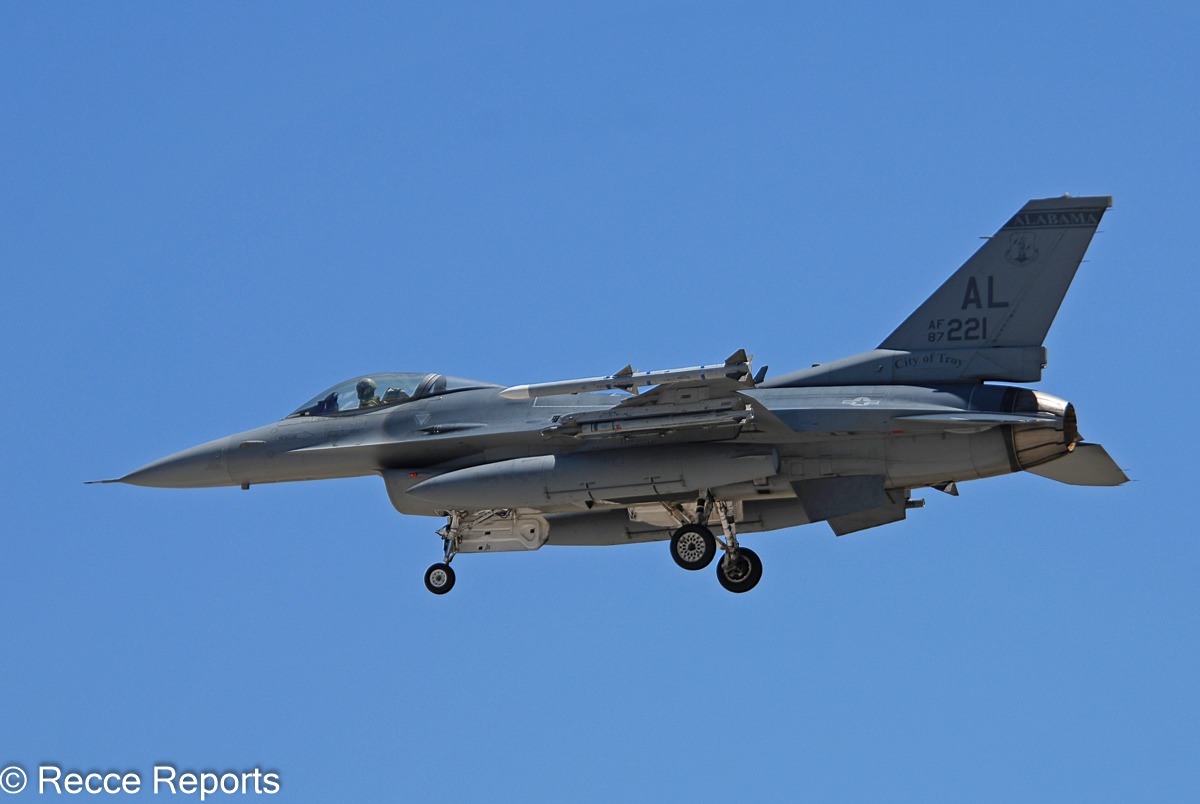
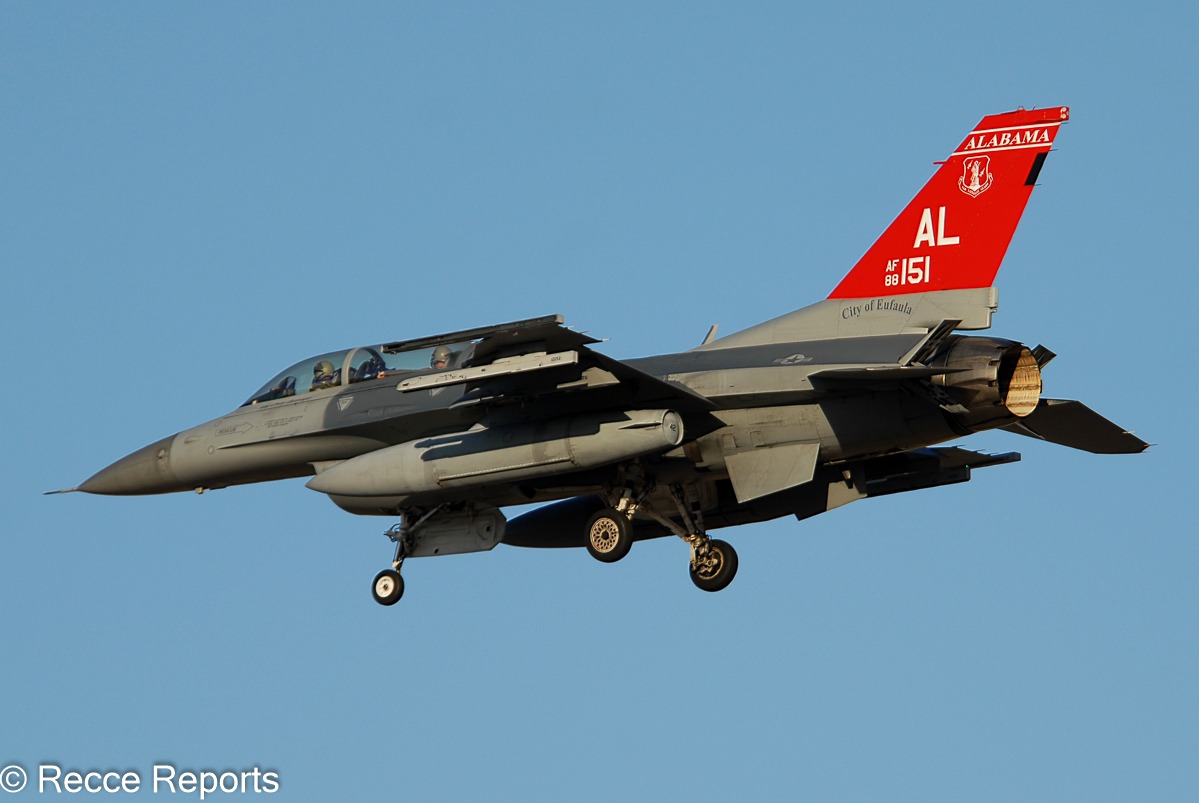
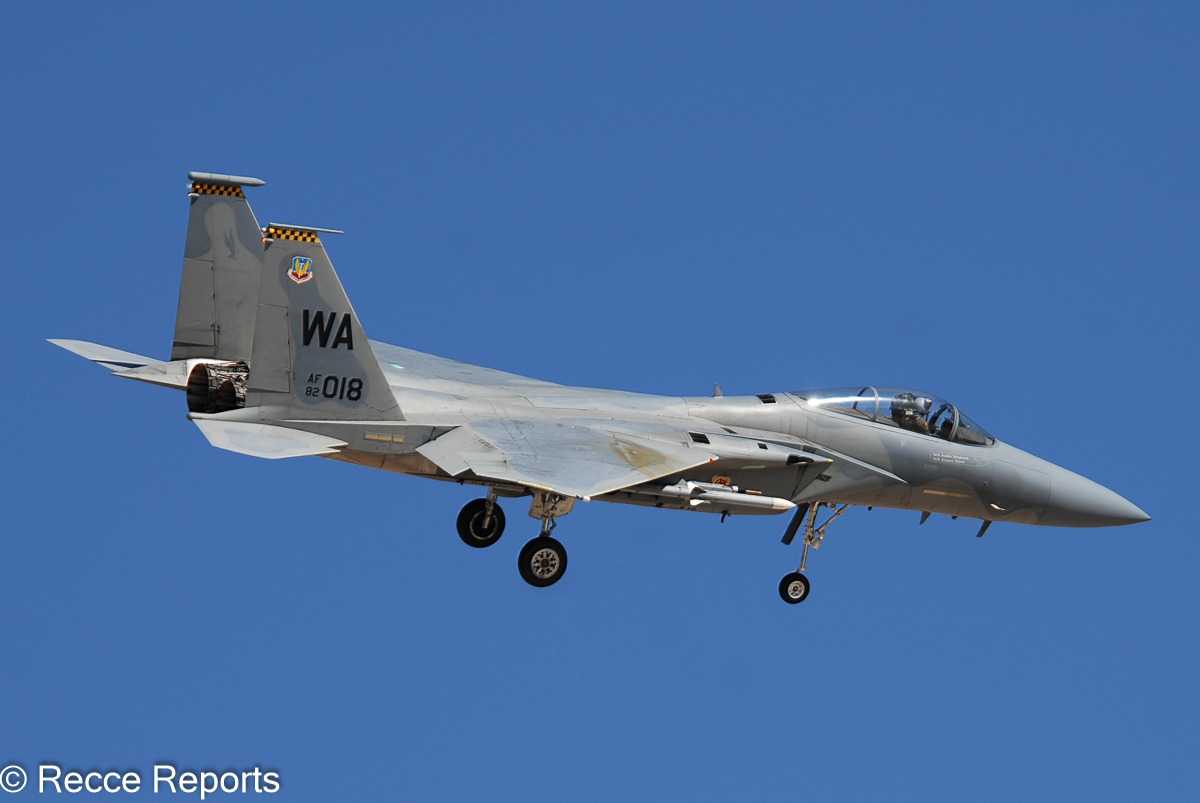
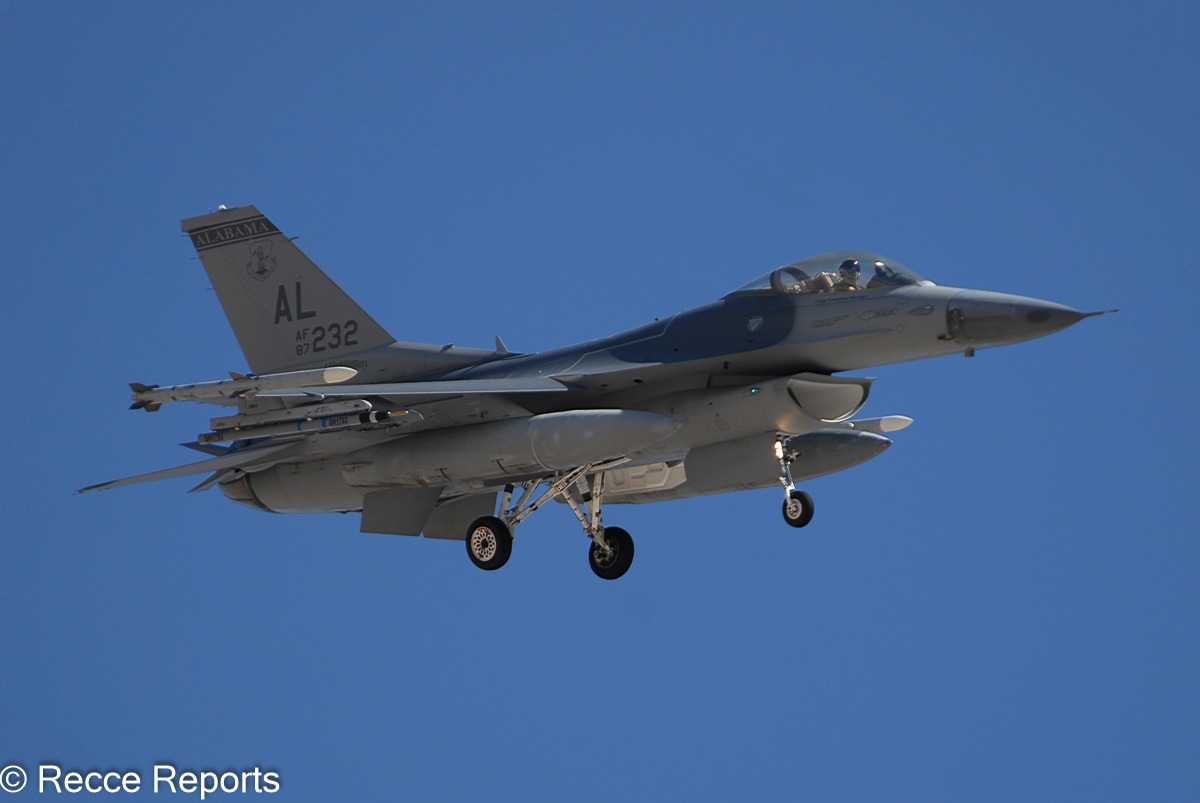
• Massachusets ANG (104th Fighter Wing) F-15s & Alabama ANG (187th Fighter Wing) F-16s: These units provided crucial air superiority assets. They flew defensive and offensive counter-air missions, protecting high-value targets or clearing the skies of “enemy” aircraft.
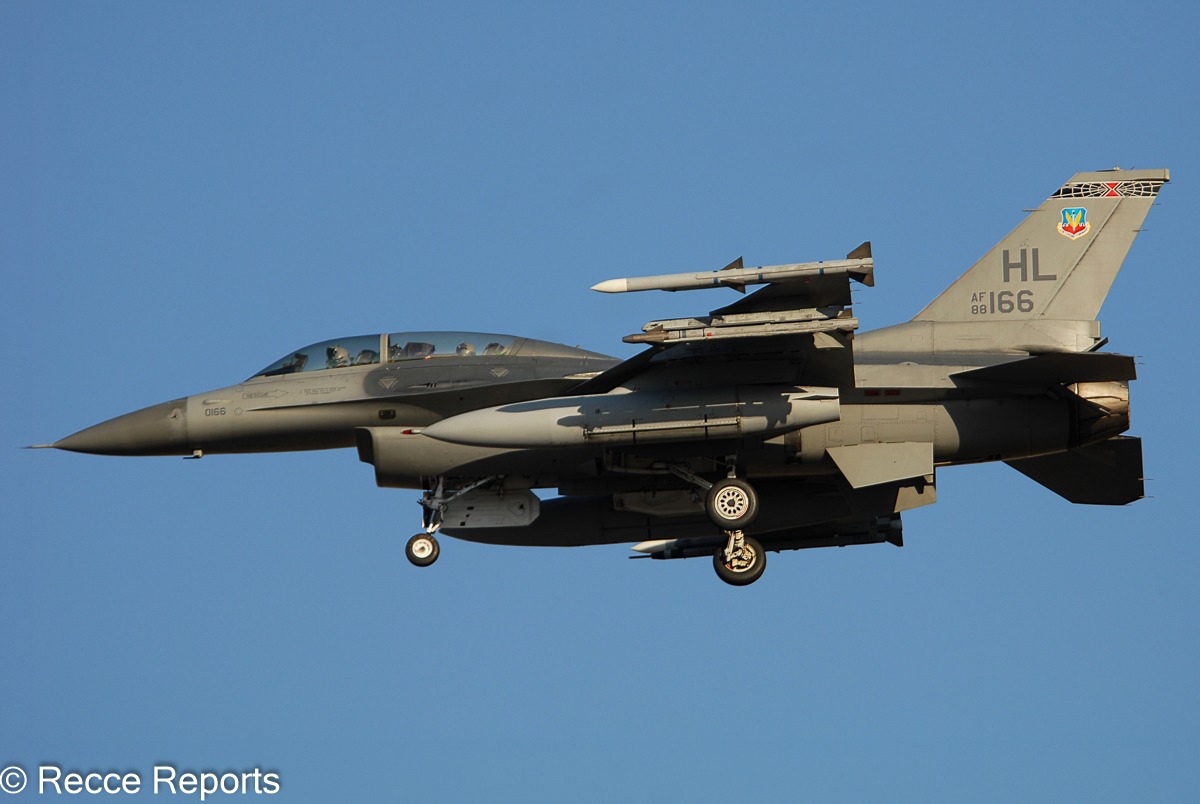
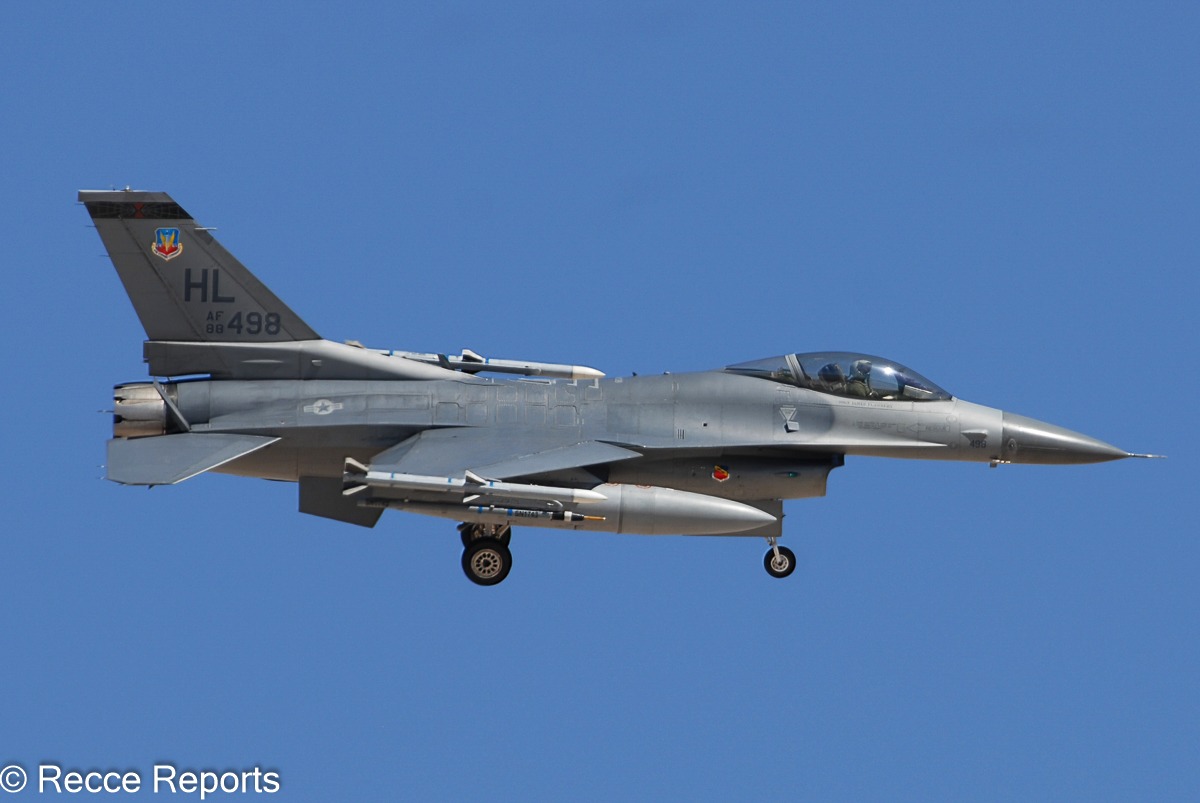
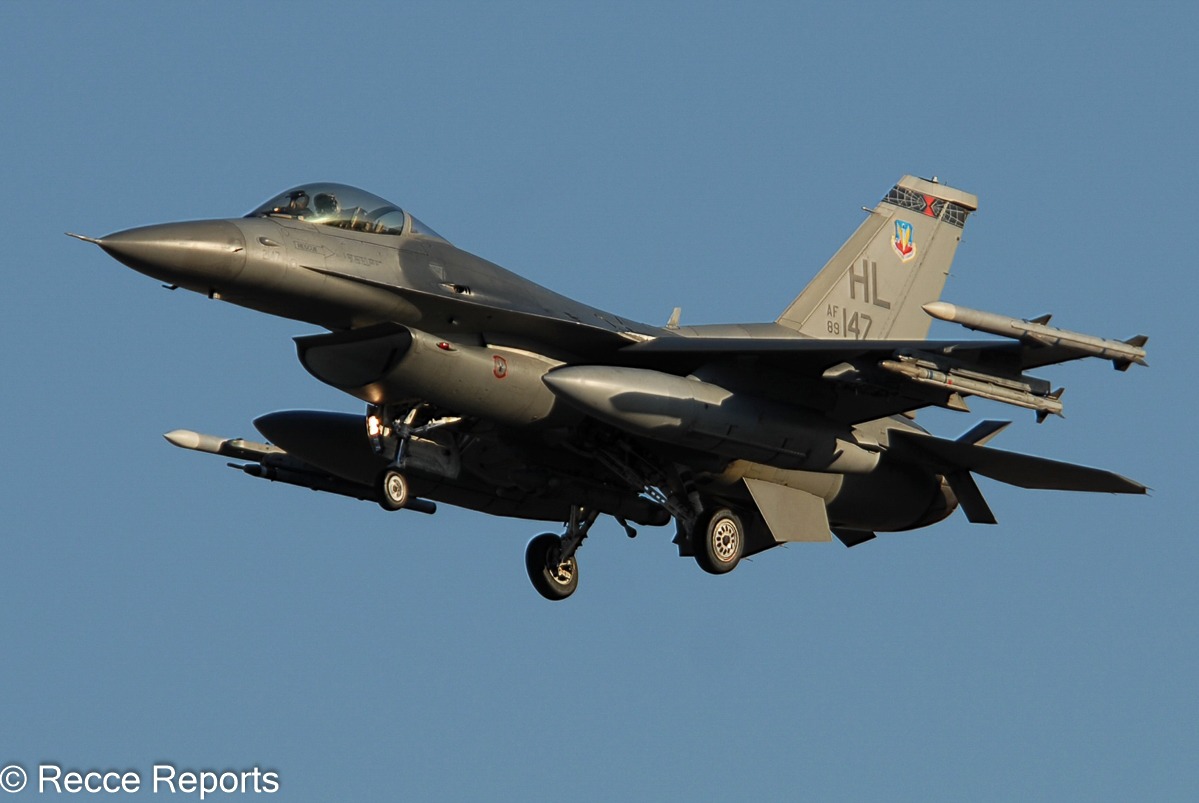
• Hill AFB F-16s: These Vipers were heavily utilized in strike coordination, suppression of enemy air defenses (SEAD), and dynamic targeting exercises.
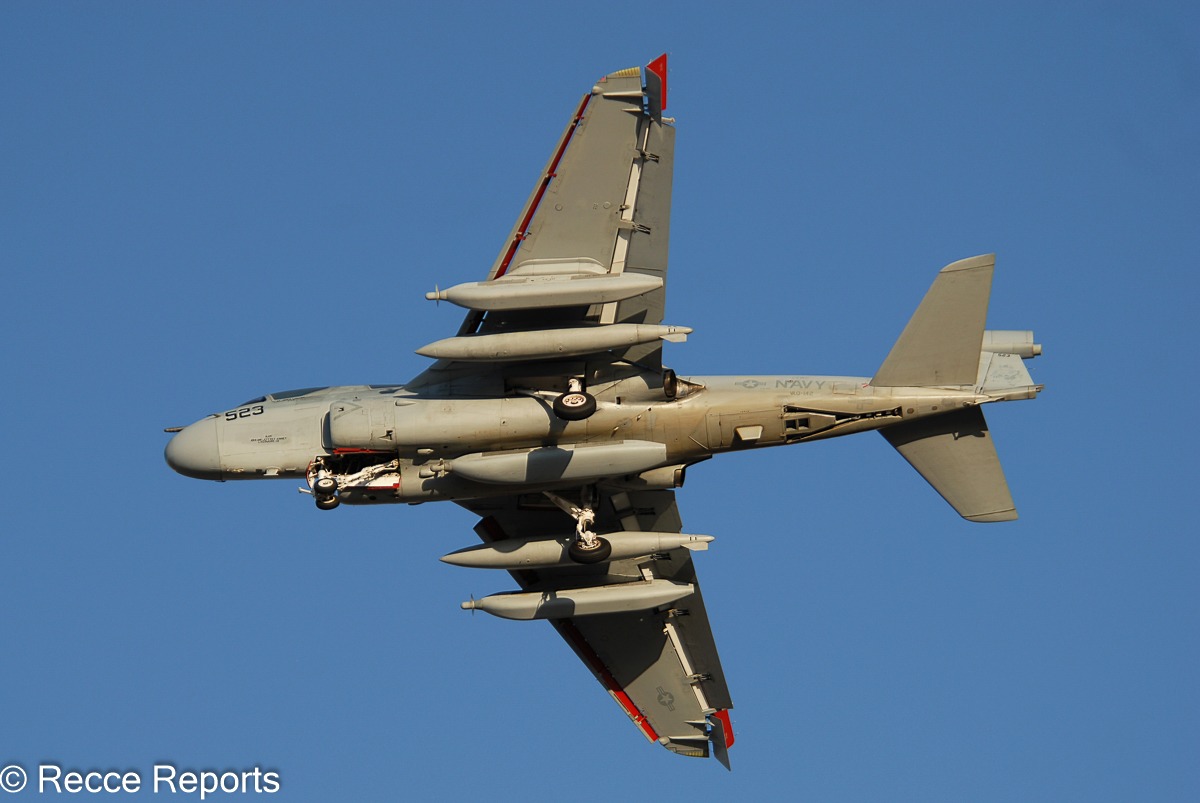
• US Navy EA-6B Prowlers & EA-18G Growlers: The unique presence of both platforms together marks the exact era the Navy was transitioning its Electronic Attack squadrons (VAQ). They were at Nellis to provide heavy radar jamming and electronic warfare support, which is mandatory for neutralizing advanced surface-to-air missile threats in the simulation.
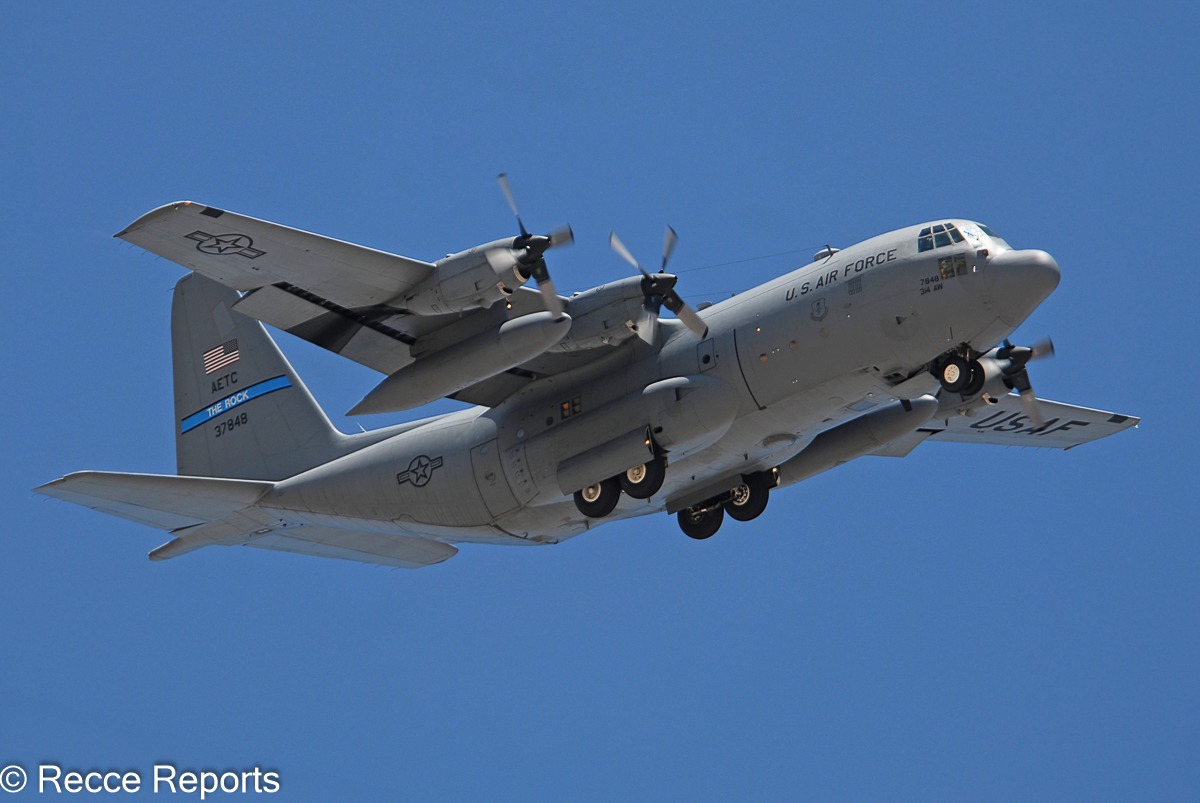
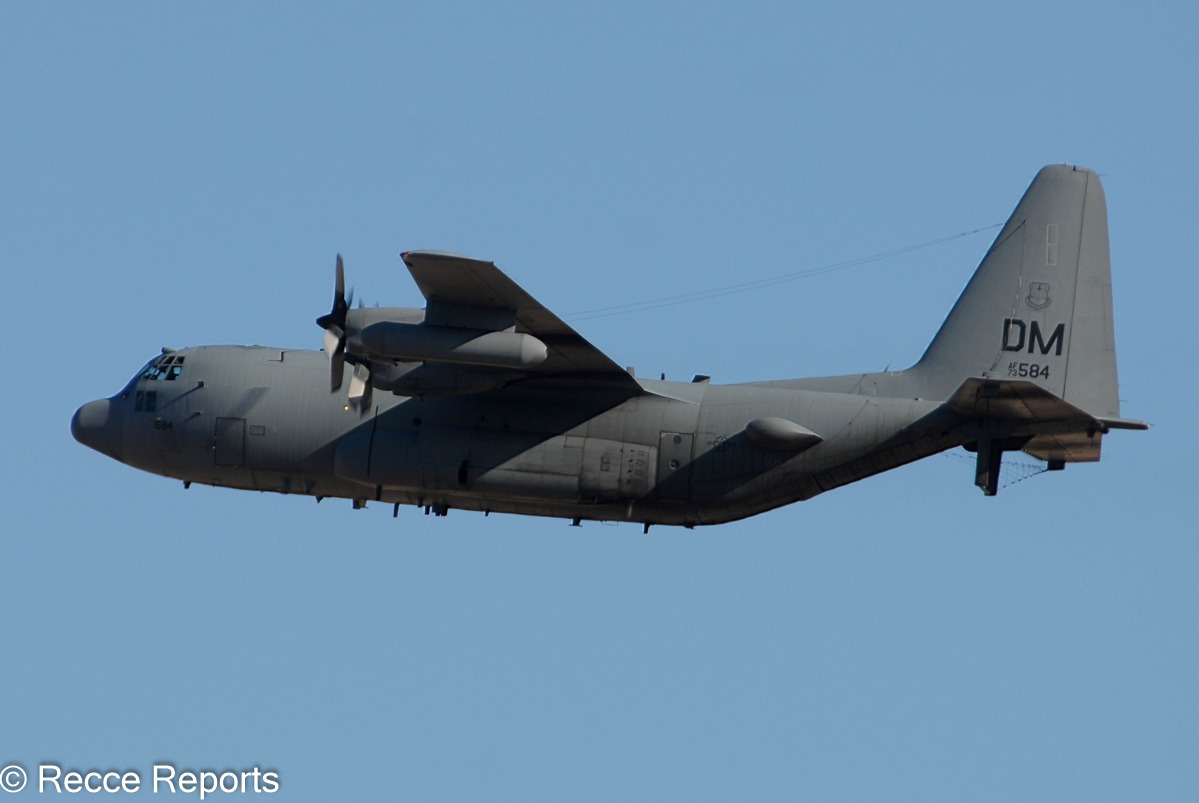
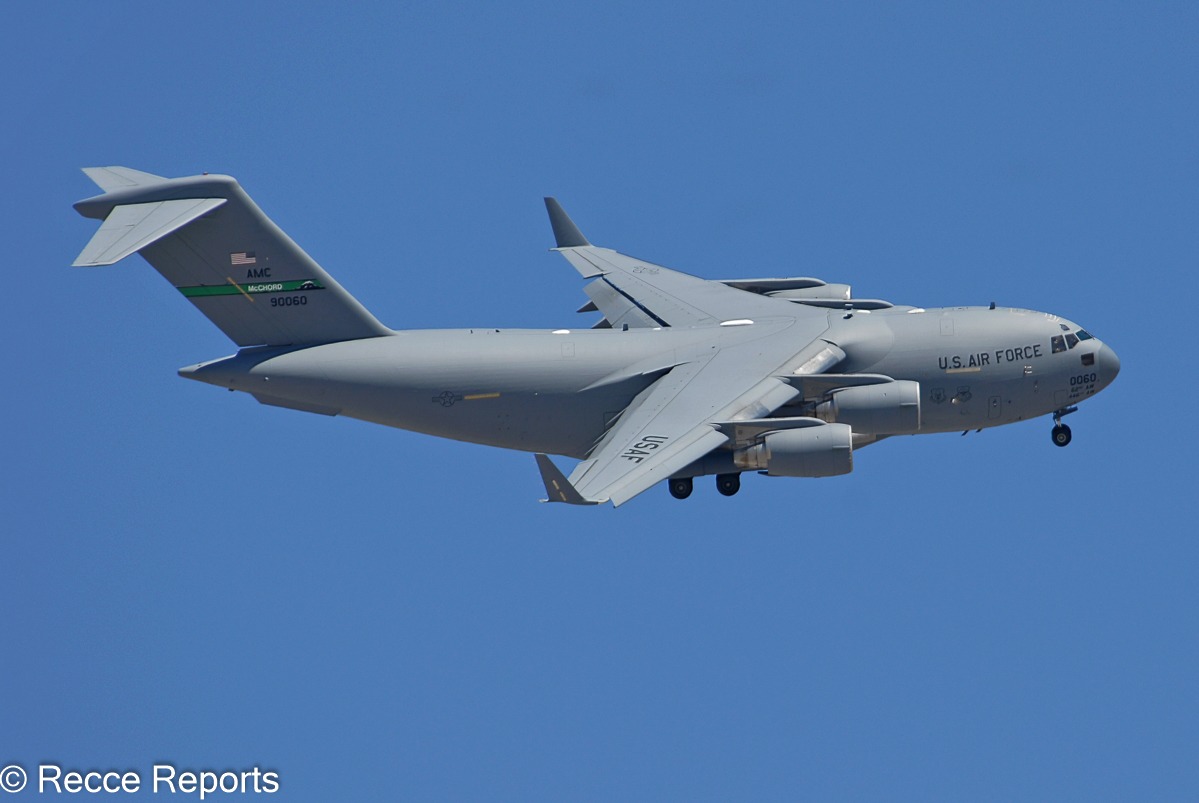
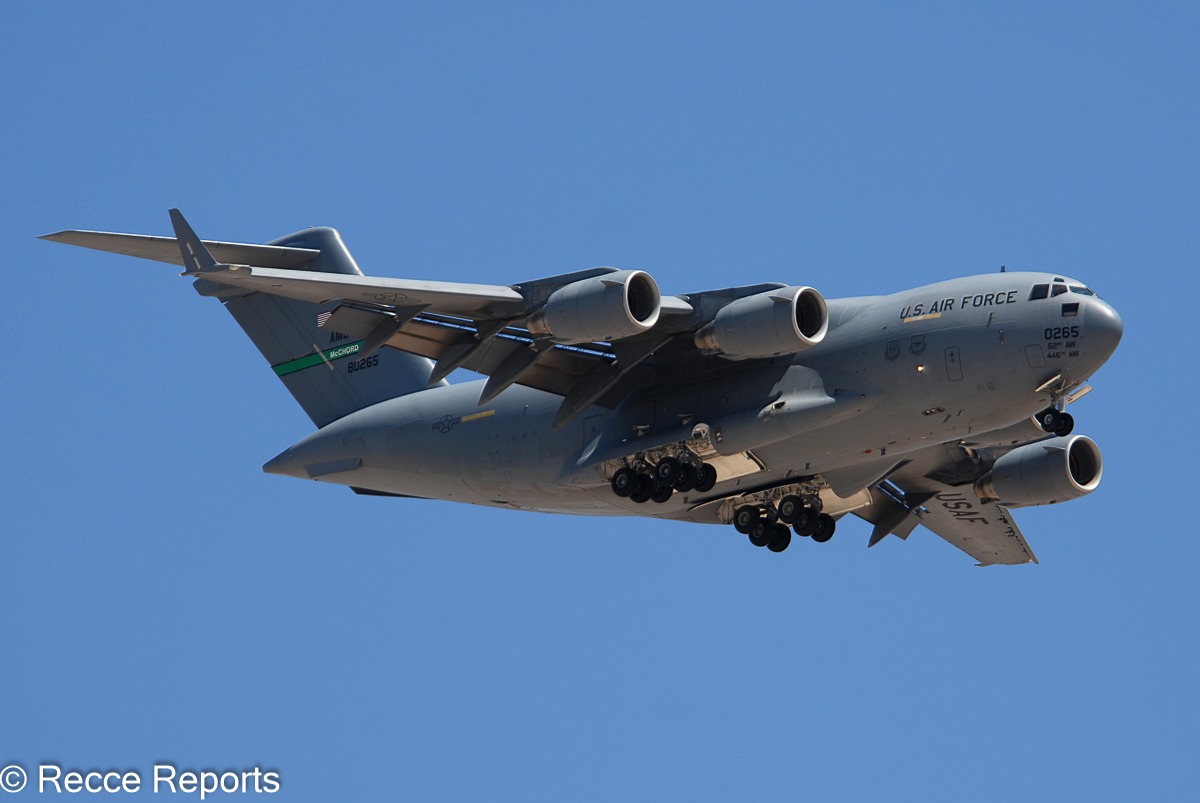
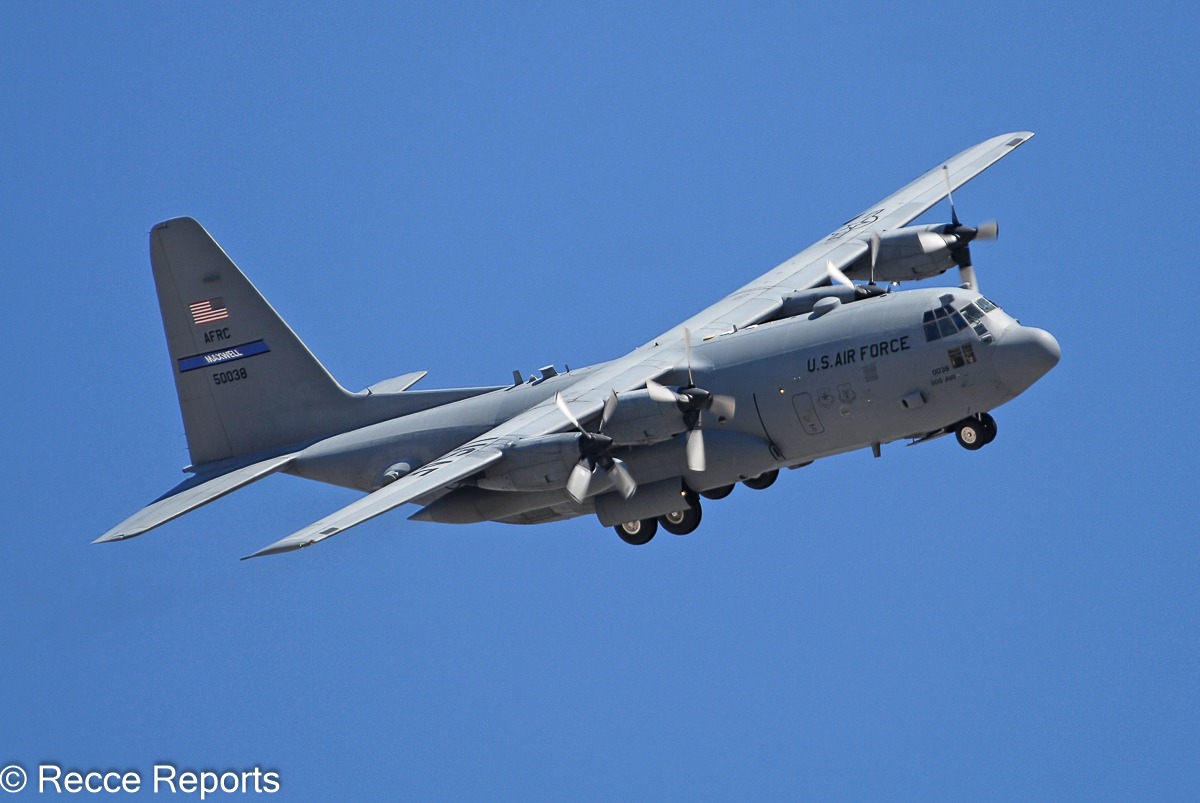
• C-130s and C17s: These airlifters were testing the “Air Mobility Support” line of operations, practicing high-risk tactical drops and operating under the threat of simulated enemy fighter interceptions.
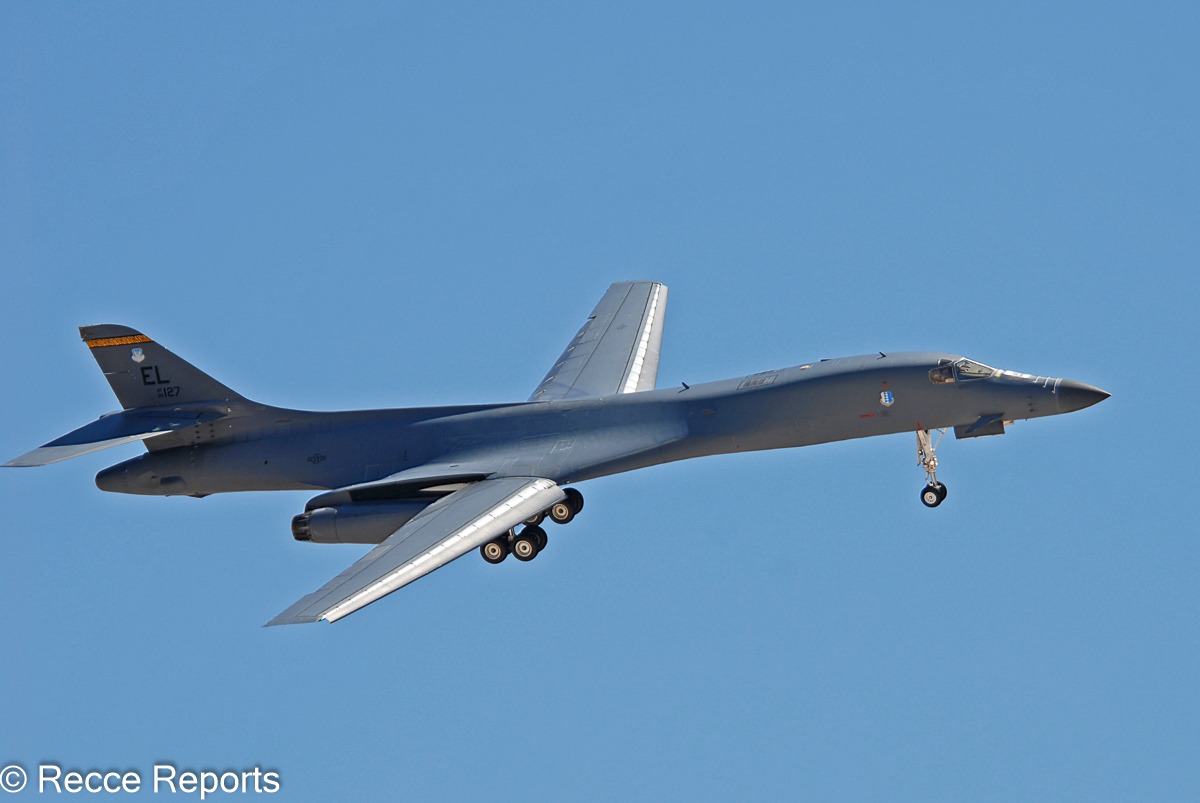
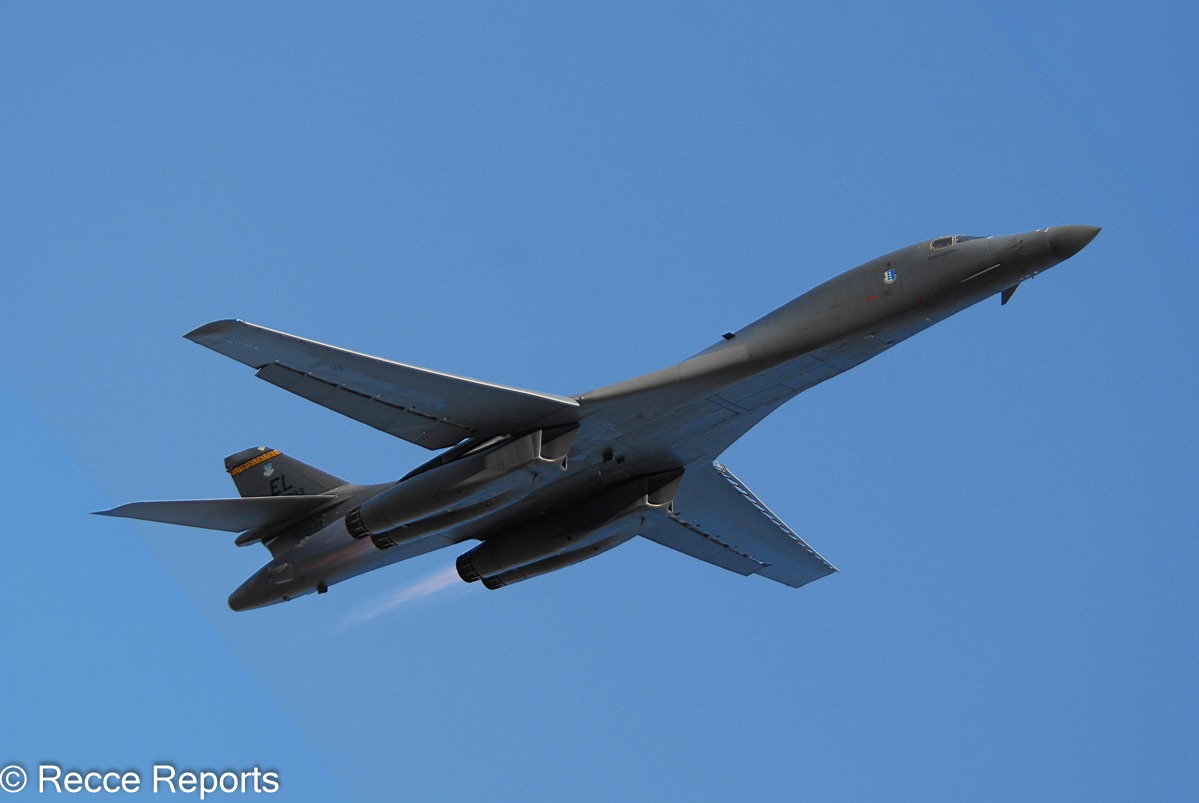
• B-1s from Ellworth AFB: Rather than operating independently, the B-1s flew as part of complex strike packages with the F-15s and F-16s and their primary purpose was to help graduate two new B-1 Weapons Officers during that WSINT cycle.